Nature Reserves in Egypt: Exploring the Country's Wild Side
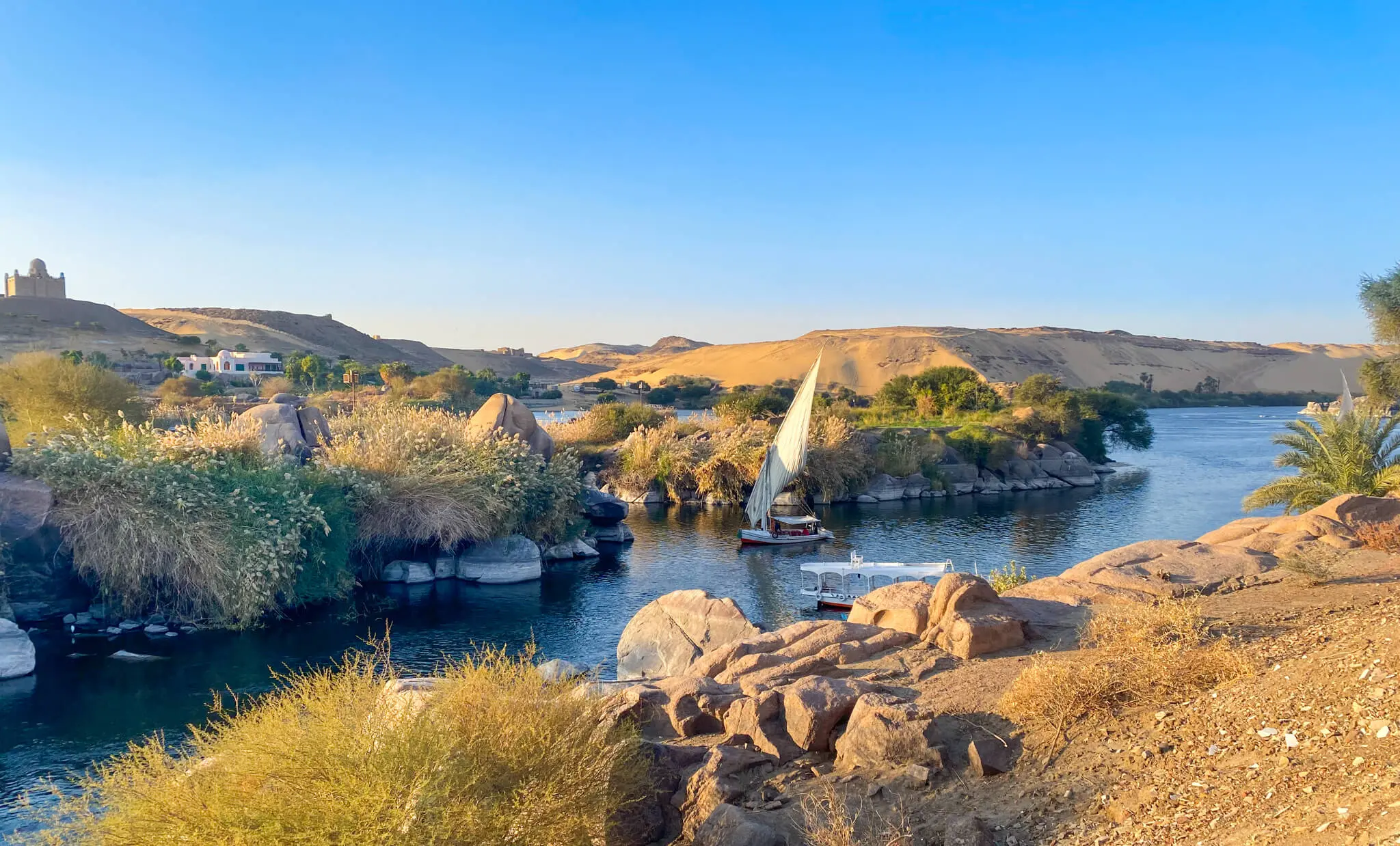
Nature Reserves in Egypt showcase the country’s diverse landscapes, wildlife, and natural beauty, from deserts to coral reefs.
Read More →
-Explore Egyptian History Few places in the world carry a history as long, complex, and influential as Egypt. Egypt has developed a rich cultur...
Few places in the world carry a history as long, complex, and influential as Egypt. Egypt has developed a rich culture over thousands of years. Ancient Egypt developed along the Nile River and became one of the first advanced civilizations in human history. Egypt has left behind a rich heritage that continues to attract historians, archaeologists, and travelers alike. This enduring civilization flourished because of its geographical isolation, protected by vast deserts on both sides, which allowed its culture to evolve with remarkable continuity for over three millennia, creating an unmatched legacy of governance, art, and science.
Before being called "Egypt" the land was known in ancient times as "Kemet" which means 'The Black Land'. This referred to the rich, dark silt deposited by the annual Nile floods. This was in stark contrast to "Deshret", 'The Red Land', which meant the barren desert. The Ancient Greeks later called it "Aigyptos" (derived from Hout-ka-Ptah, meaning 'Temple of the Soul of Ptah' in Memphis), which eventually became "Egypt" in modern Egypt.
Egyptian civilization began around 3100 BCE when Upper and Lower Egypt were unified by King Narmer (Menes). This is the beginning of centralized rule. Narmer commemorated this monumental victory on the famous Narmer Palette, depicting him wearing the dual crowns of both regions (the White Crown of the South and the Red Crown of the North), establishing the First Dynasty and setting the capital at Memphis.
The Nile River was the foundation of life in Egypt. The ancient Egyptians deified its annual flooding as the god Hapi. It provided:
Fertile land for agriculture: Depositing nutrient-rich silt that allowed farmers to grow wheat, barley, and flax.
Transportation routes: Serving as a natural superhighway that connected the entire kingdom for trade, military movement, and royal expeditions.
Stable food supply: Sustaining livestock and attracting waterfowl and fish, preventing widespread famine.
Economic growth: Allowing Egypt to produce a surplus of crops, which they traded with the Levant and Mesopotamia for luxury goods like cedar wood and lapis lazuli.
1. Early Dynastic Period (c. 3100 – 2686 BCE)
This was the beginning of the first kingdoms and the establishment of kingship in Egypt. During the First and Second Dynasites, the divine nature of the Pharaoh was solidified, and the foundations of Egyptian administration, hieroglyphic writing, and religious ideologies were permanently cast.
2. Old Kingdom (Age of Pyramids) (c. 2686 – 2181 BCE)
This period is famous for pyramid building, especially the Great Pyramid of Giza. It was the era of strong central power and massive architectural achievements. Pharaohs were viewed as absolute, living gods. This era also saw the construction of the Step Pyramid of Djoser at Saqqara, designed by the legendary architect Imhotep, marking the birth of monumental stone architecture.
3. Middle Kingdom (The Classical Age) (c. 2055 – 1650 BCE)
Known as a period of stability, literature, art, and expansion of trade and culture. After a period of civil war, Mentuhotep II reunited Egypt. The capital shifted to Thebes. This era is considered the "Golden Age of Egyptian Literature," producing masterpieces like The Story of Sinuhe. Pharaonic power shifted toward a more defensive and public-minded strategy, focusing on massive irrigation projects in the Faiyum Oasis.
4. New Kingdom (Golden Age of Egypt) (c. 1550 – 1069 BCE)
This is the most powerful era in Egyptian History. Egypt became a major empire with strong pharaohs and military expansion, pushing its borders deep into the Levant and Nubia.
5. Late Period (c. 664 – 332 BCE)
Egypt started to decline due to internal fractures and came under foreign control, including Persians, Greeks, and Romans. Alexander the Great took control of Egypt in 332 BCE, the Ptolemaic era began, blending Greek and Egyptian cultures until its fall.
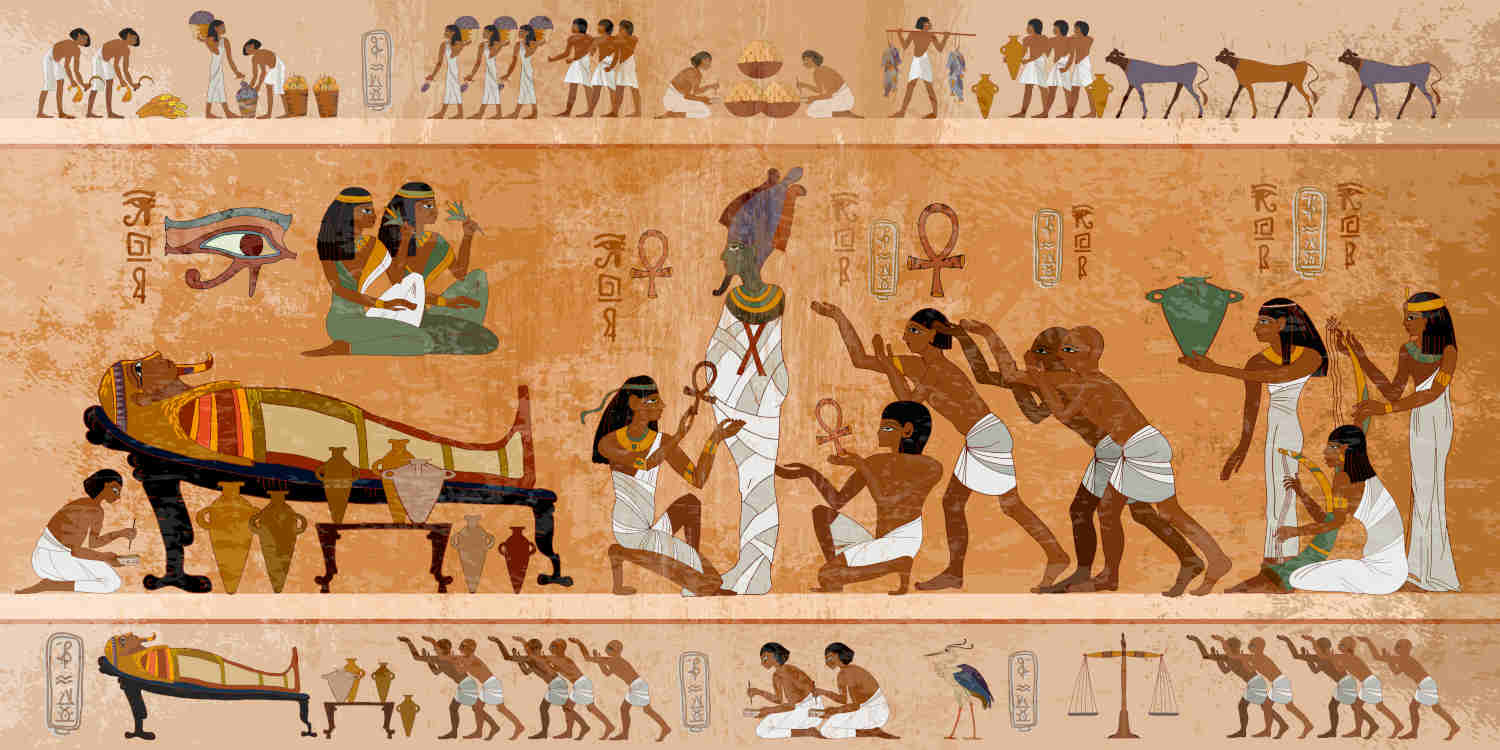
Religion was an essential part of daily life in ancient Egypt; they believed in many gods, the journey after death, the preservation of the body (mummification) and building tombs for eternity (Mastabas and Pyramids) to secure their place in Aaru (the Heavenly Reed Fields).
DeityRole & Significance in Egyptian Mythology
-Ra, the Sun God: The supreme creator deity who sailed across the sky in a solar bark by day and fought the chaos serpent Apophis in the underworld by night.
-OsirisGod of the Afterlife: The lord of the dead and judge of the underworld, symbolizing resurrection, fertility, and eternal life.
-IsisGoddess of Magic and Motherhood: The loyal wife of Osiris and mother of Horus, renowned for her supreme magical healing powers.
-AnubisGod of Mummification: The jackal-headed deity who guided souls through the underworld and watched over the weighing of the heart ceremony against the feather of Ma'at (truth).
The Pharaohs acted as the high priests of every temple and the supreme commanders of the military, responsible for maintaining Ma'at (universal balance and justice) on Earth.
-Narmer: Unified Egypt around 3100 BCE, merging the two lands and founding the First Dynasty.
-Khufu: Built the Great Pyramid of Giza, a mathematical and engineering marvel originally encased in gleaming white limestone.
-Hatshepsut: Powerful female ruler who wore the traditional pharaonic false beard and led Egypt through an era of immense economic prosperity.
-Akhenaten: Promoted the worship of Aten and made it the central focus of Egyptian religion during his reign, temporarily dismantling the powerful priesthood of Amun.
- Tutankhamun: The Most famous tomb discovery (KV62), whose golden death mask became the global symbol of Ancient Egypt.
-Ramesses II: Military and architectural greatness, reigning for 66 years, fighting the Hittites, and leaving behind more monuments than any other pharaoh.
-Cleopatra VII: Last active ruler of Egypt, a master diplomat and linguist who aligned with Julius Caesar and Mark Antony to preserve Egypt's independence from Rome.
-The Giza Pyramid Complex: Comprising the Pyramids of Khufu, Khafre, and Menkaure, built during the 4th Dynasty.
-The Sphinx: A colossal limestone statue of a mythical creature with a lion's body and a pharaoh's head, guarding the Giza plateau.
-Valley of the Kings: A hidden canyon on the west bank of the Nile in Thebes containing over 60 rock-cut royal tombs, including Tutankhamun's.
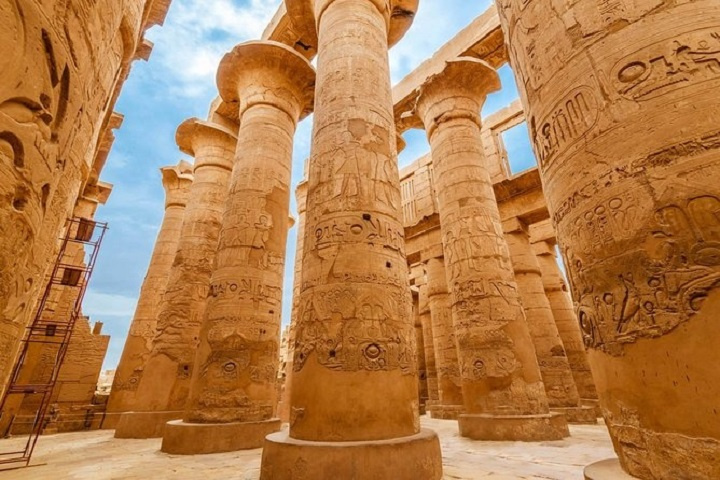
-Karnak Temple: The largest religious complex ever constructed by humans, dedicated primarily to the Amun-Ra triad, developed over 2,000 years.
-Luxor Temple: Located on the east bank of the Nile, it was used for the annual Opet Festival, where the pharaoh’s divine right to rule was renewed.
With the spread of Islam in the 7th century (641 CE under the leadership of Amr ibn al-Aas), Egypt began a new era that shaped its culture and identity. Cairo (founded later by the Fatimids in 969 CE) soon emerged as a vibrant centre of learning, trade, and cultural exchange, attracting scholars and merchants from across the region. Landmarks like the Al-Azhar Mosque and University became the intellectual lighthouse of the Islamic world, maintaining Egypt's geopolitical importance.
-Ancient Egyptian Civilization and Daily Life
Ancient Egyptians lived in a highly organised society structured like a social pyramid. Farmers worked along the Nile according to the three seasons (Akhet - flooding, Peret - planting, Shemu – harvesting). Priests managed temples and complex daily rituals to appease the gods, and skilled builders, craftsmen, and engineers constructed temples and pyramids.
They also developed highly advanced systems of mathematics (geometry for land redistribution after floods), medicine (pioneering surgery, anatomy, and herbal remedies), engineering (quarrying and moving multi-ton stones), and writing systems (Hieroglyphics for sacred monuments, Hieratic and Demotic for daily administration).
Egyptian culture was rich in Art, jewellery, Sculpture and Architecture, heavily governed by strict artistic canons where scale reflected social importance.
Artifacts discovered include mummies (perfectly preserved via natron salt), gold treasures (intricately inlaid with carnelian and lapis lazuli), vibrant tomb paintings (designed to magically come alive in the next world), and statues of gods and kings (carved from durable stones like basalt and diorite to ensure spiritual immortality).
Nature Reserves in Egypt showcase the country’s diverse landscapes, wildlife, and natural beauty, from deserts to coral reefs.
Read More →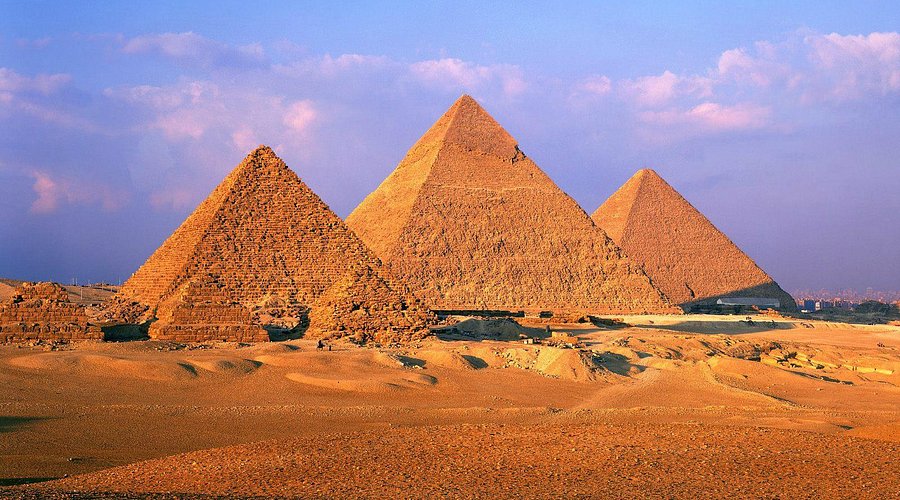
The Old Kingdom of Egypt (2686-2181 BCE) is renowned as 'The Age of the Pyramids,' a golden era when Egyptian civilization, through achievements in ar...
Read More →The Middle Kingdom of Egypt was a period of stability, cultural growth, and artistic development after years of division. Known for its advances in li...
Read More →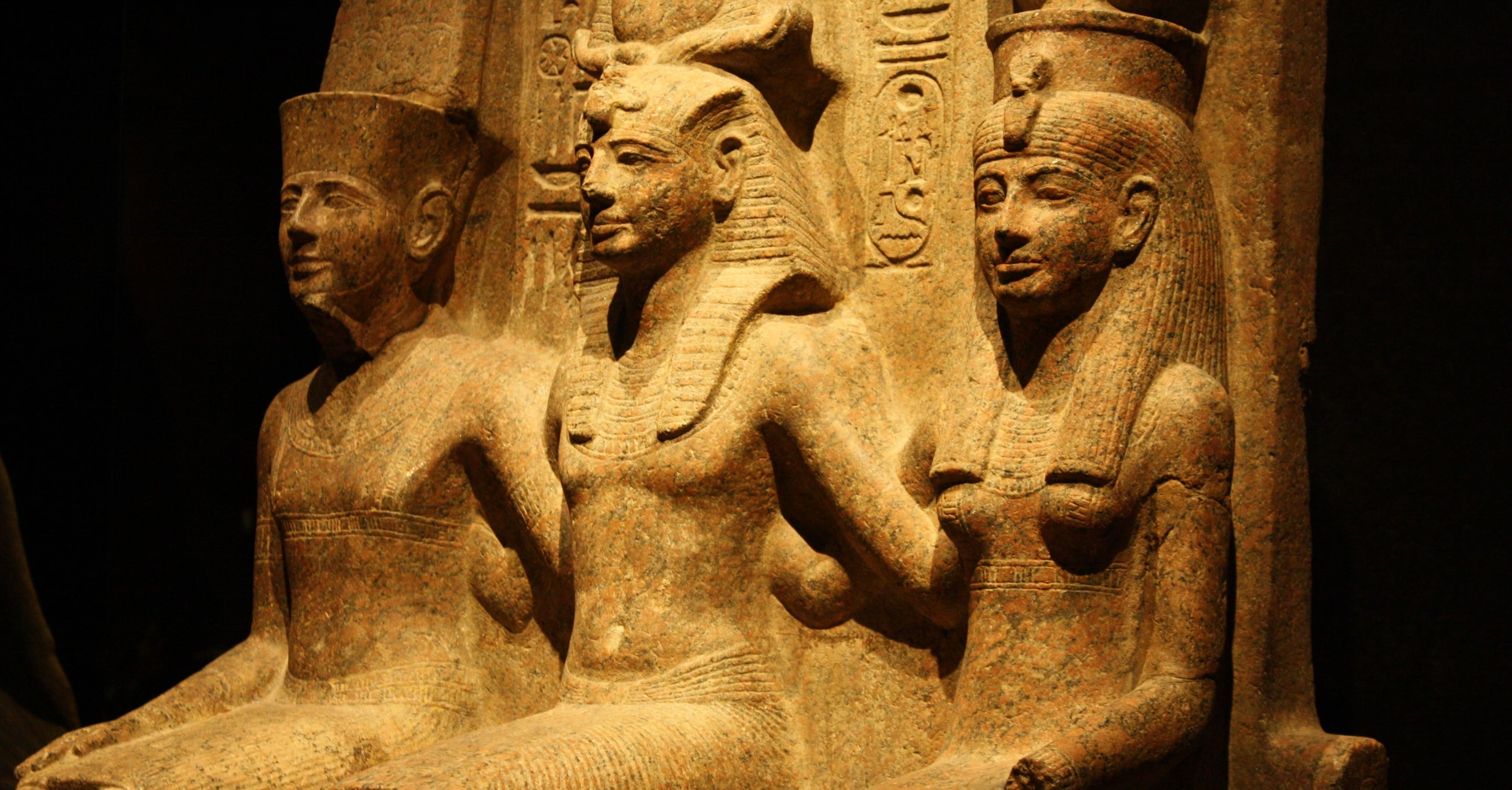
The New Kingdom of Egypt was a remarkable era of power, prosperity, and cultural achievement, known as the Golden Age of ancient Egypt. Discover the l...
Read More →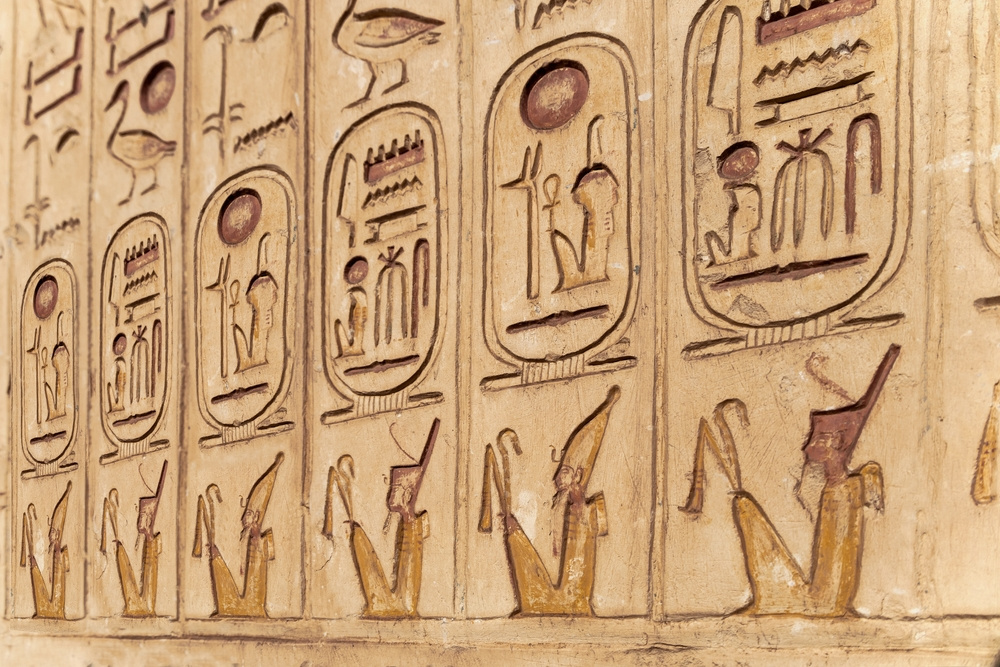
Explore the fascinating world of ancient Egyptian pharaohs, their royal names, titles, and the meanings behind the inscriptions found across temples,...
Read More →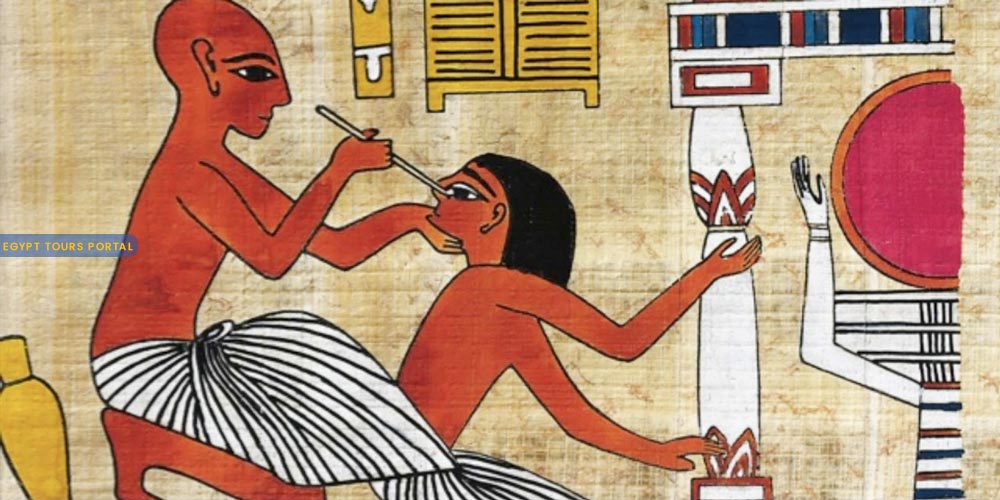
Egyptology explores the history, culture, and mysteries of ancient Egypt, uncovering the stories behind its temples, pyramids, tombs, and remarkable a...
Read More →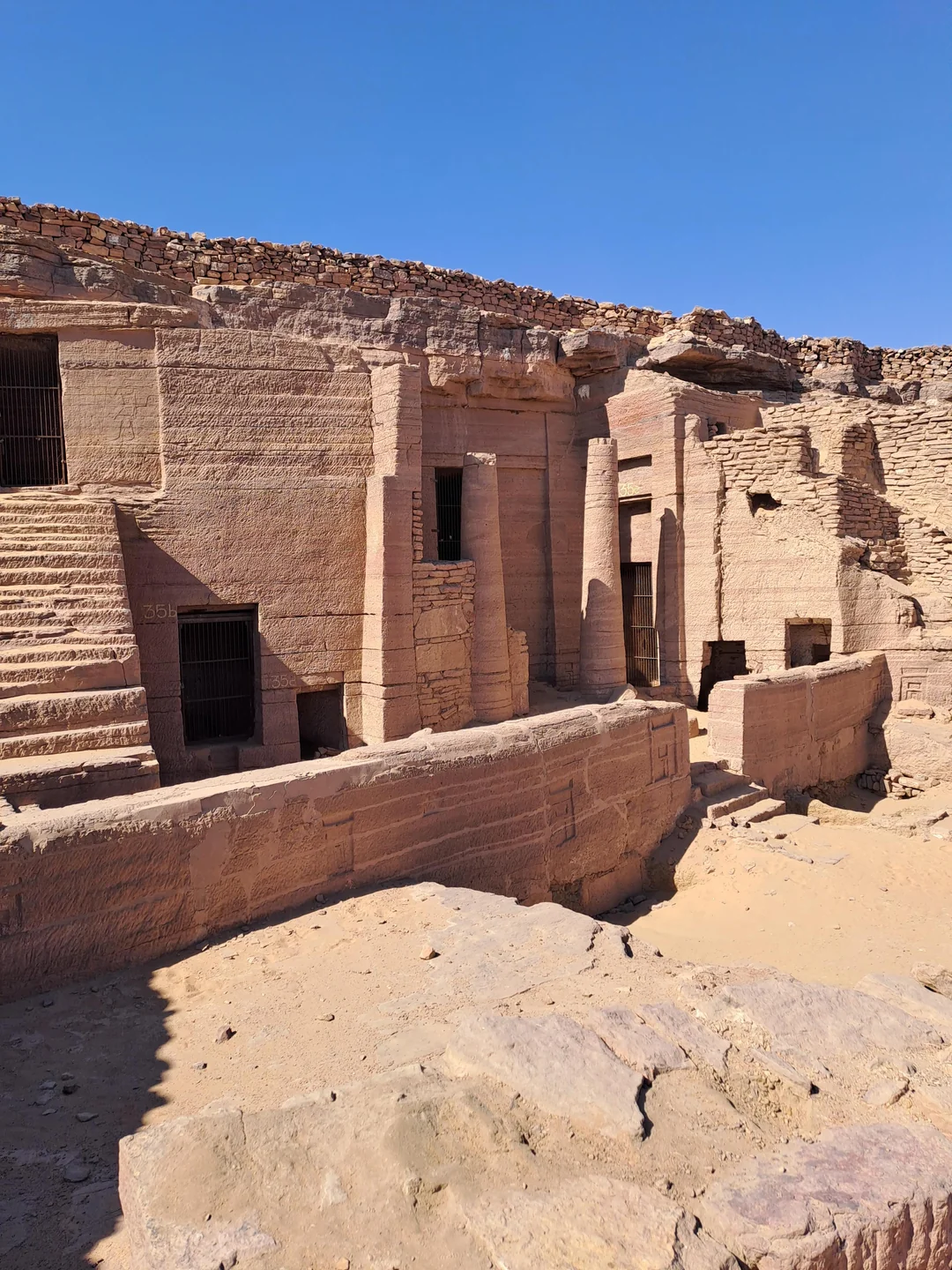
Discover the Tombs of the Nobles in Luxor, a hidden archaeological site featuring beautifully decorated tombs of ancient Egyptian officials. Explore v...
Read More →Discover the Ptolemaic Dynasty, the Greek rulers who governed Egypt for nearly 300 years after Alexander the Great. Learn how their reign shaped Alexa...
Read More →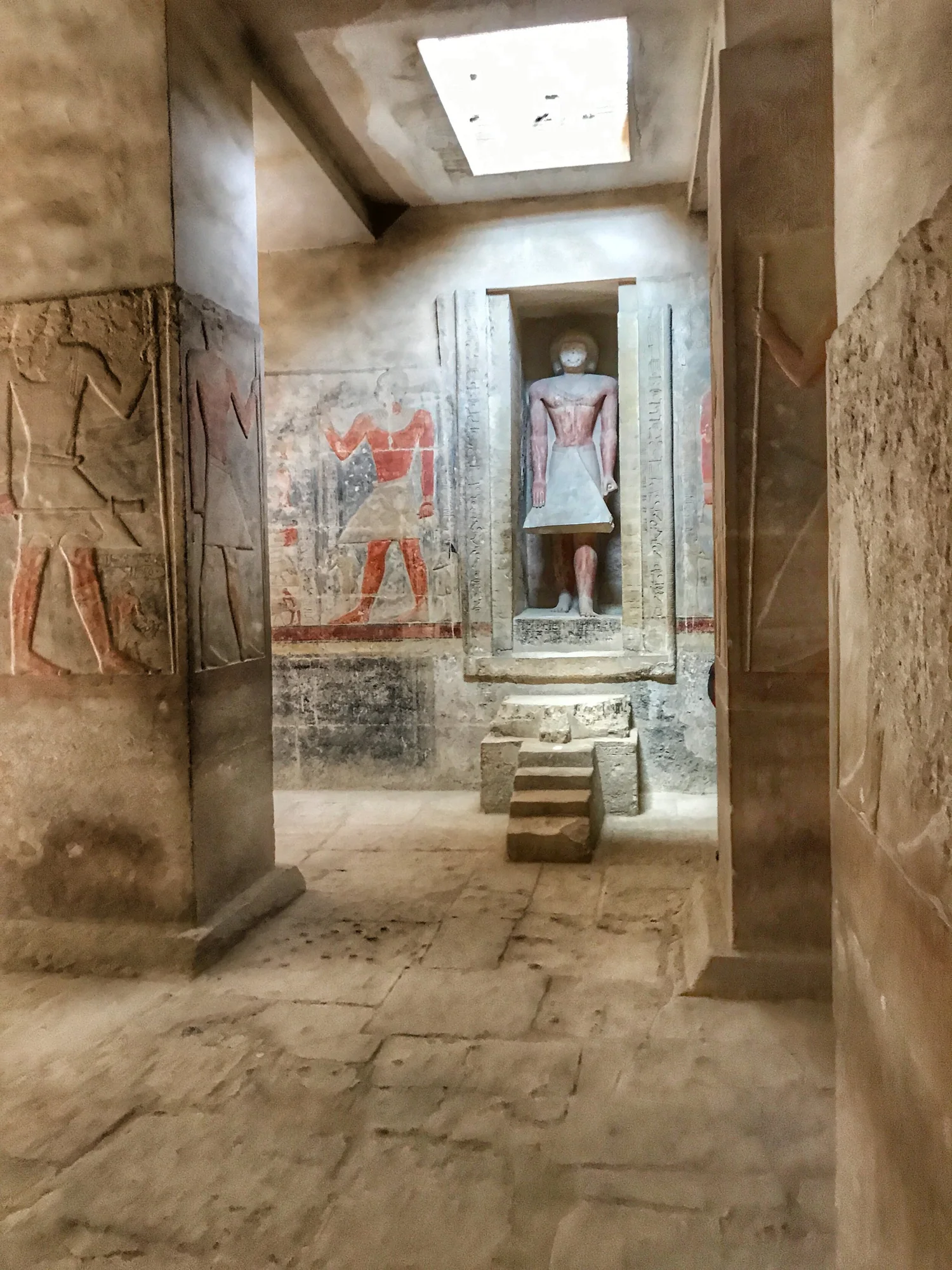
Discover the Tomb of Mereruka at Saqqara, the largest non-royal tomb of ancient Egypt's Old Kingdom. Explore beautifully carved scenes of daily life a...
Read More →.webp "Temple of Khonsu Interior, Luxor")
Discover the Temple of Khonsu at Karnak, one of ancient Egypt's best-preserved temples. Explore its remarkable architecture, restored painted ceilings...
Read More →.webp "Red Monastery Interior, Sohag")
Most visitors to Egypt never make it past Luxor and Aswan, which means they miss one of the country's most extraordinary interiors: a 5th-century chur...
Read More →.webp "Statue of Queen Meret, ancient Egyptian sculpture")
In 2013, a French archaeological team digging near an ancient harbor on Egypt's Red Sea coast uncovered something no one expected to survive 4,500 yea...
Read More →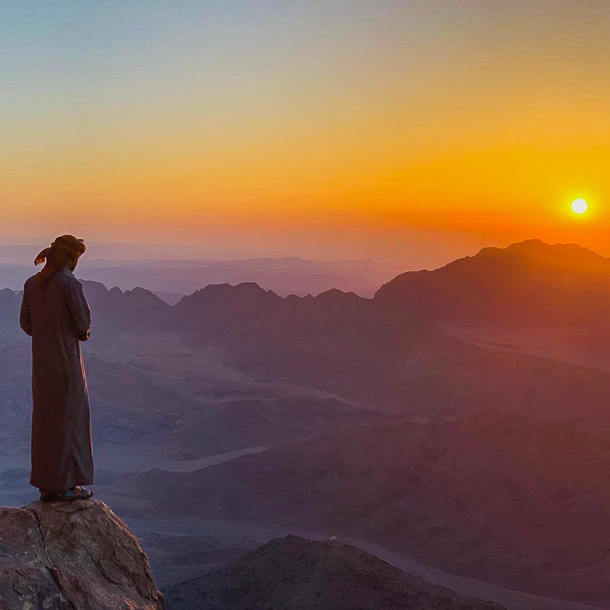
Mount Sinai, known locally as Jabal Musa, rises 2,285 meters above Egypt's South Sinai desert and marks the spot where, according to the Bible, Moses...
Read More →The Cairo Tower rises 187 meters above Gezira Island in Zamalek, making it one of the tallest structures in Egypt and a fixture on the city's skyline...
Read More →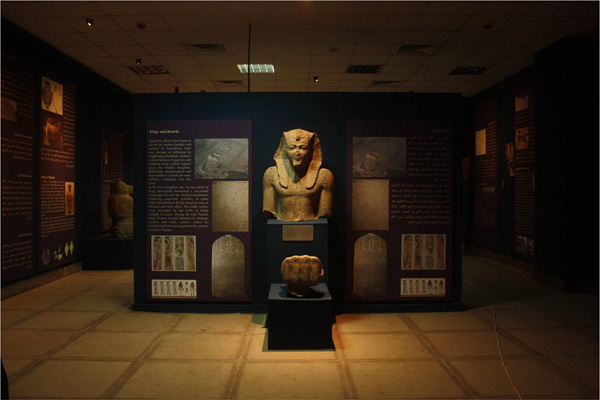
Inside the Misr Public Library on Marsa Matrouh's corniche sits Egypt's only archaeology museum dedicated to its western border region. Opened in 2018...
Read More →Travel with confidence with Aten Tours, where local expertise meets exceptional service. From carefully curated itineraries and handpicked experiences to seamless planning and dedicated support, we create personalized journeys designed around what matters most—comfort, quality, and unforgettable experiences across Egypt and beyond.
At Aten Tours, we are proud to create experiences that leave lasting memories. Read genuine feedback from travelers who explored Egypt’s wonders, enjoyed luxury holidays, and discovered the world with confidence and ease.
Traveling solo in Egypt with Aten Tour was one of the best decisions I made. As a 22-year-old female traveler, I was a little nervous before arriving, but I felt safe and well looked after from day one. Everything was well organized, my guide was knowledgeable, kind, and always happy to help, and I never had to worry about a thing. The whole trip was smooth, enjoyable, and filled with unforgettable moments. I'm so glad I chose Aten Tour and would definitely travel with them again.
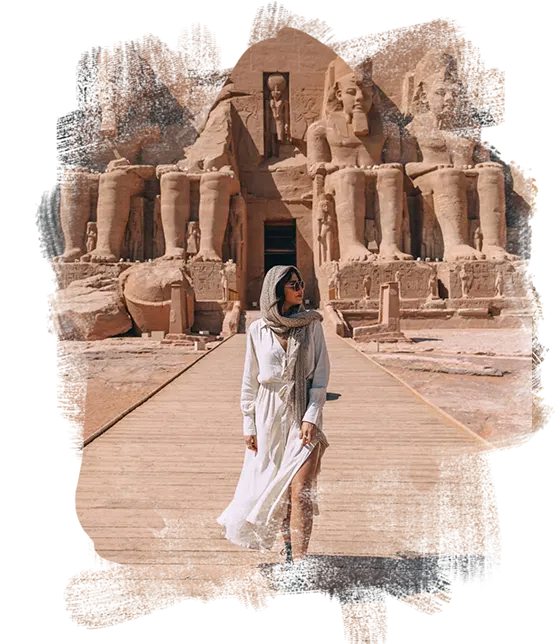
My fiancé and I booked a private 5-day tour of Egypt with Aten Tours, covering Cairo, Aswan, Abu Simbel, and Luxor. From the moment we arrived, everything was perfectly organized. The team took care of every detail, making our trip completely stress-free. Our guides were knowledgeable, friendly, and passionate about Egypt's history, and every destination exceeded our expectations. Even after returning home, we still find ourselves talking about this unforgettable experience. We highly recommend Aten Tours to anyone looking for a well-planned and memorable trip to Egypt.
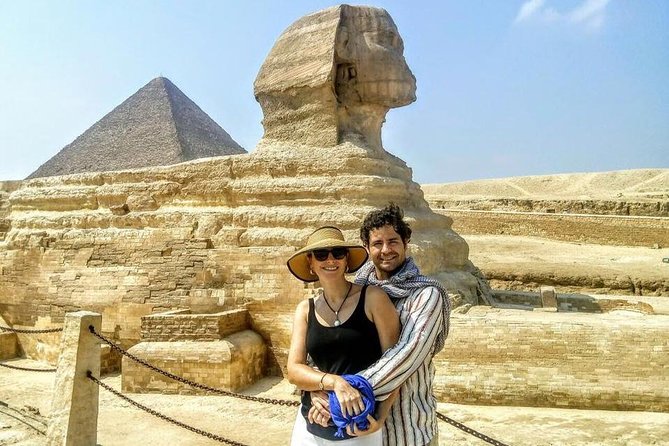
Traveling with Aten Tour made our vacation completely stress-free. Every hotel, transfer, and excursion was exactly as promised, and the team was always available whenever we had a question. We really appreciated the personal attention and warm hospitality throughout the trip. We came home with unforgettable memories and would definitely recommend Aten Tour to anyone planning a trip to Egypt.
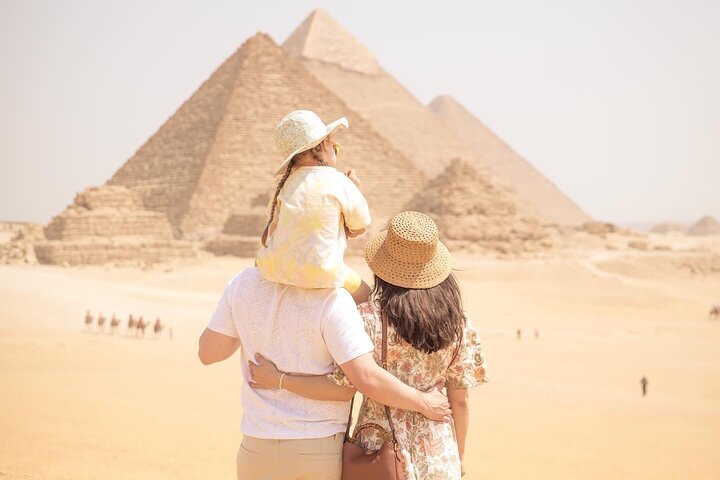
We booked an 8-day trip with Aten Tour, and it turned out to be one of our favorite vacations. Everything was well organized from start to finish, which made traveling around Egypt really easy. We never felt rushed, the hotels were great, and the team was always helpful whenever we needed anything. Egypt had been on our bucket list for a long time, and we're so glad we chose Aten Tour for this experience.
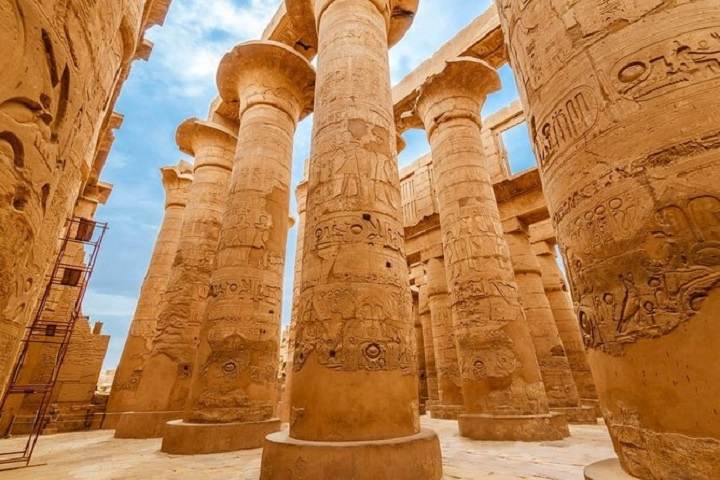
Our family booked a tour with Aten Tour after reading several positive reviews, and they definitely lived up to our expectations. Communication before the trip was quick and helpful, and everything during the tour was exactly as described. The hotels were comfortable, the transportation was smooth, and the guides made every stop interesting with their stories and local knowledge. Egypt had always been a dream destination for us, and this trip made it even more memorable.
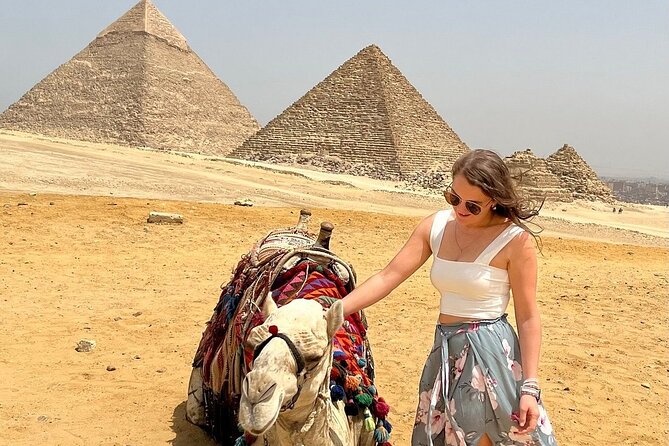
The most famous landmarks include the Giza Pyramids, the Great Sphinx, the Valley of the Kings, Karnak Temple, and Luxor Temple. These sites showcase the history, architecture, and culture of ancient Egypt.
Several pharaohs are famous, including Khufu, Ramesses II, Hatshepsut, and Tutankhamun. Tutankhamun is especially well known because of the discovery of his nearly intact tomb.
The Nile River provided fertile land, fresh water, transportation, and food. Its annual floods supported agriculture and helped ancient Egypt become one of the world's greatest civilizations.
King Narmer (Menes) united Upper and Lower Egypt around 3100 BCE. His reign marked the beginning of the First Dynasty and the foundation of ancient Egyptian civilization.
Before it was known as Egypt, the country was called Kemet, meaning "The Black Land," because of the fertile soil left by the Nile floods. The name "Egypt" later evolved from the Greek word Aigyptos.
.png "dfwfdsa")
.png "fadsfwqerf")
.png "fdfdasfa")
.png "logo5")
.png "logo2")