The Old Kingdom of Egypt: The Age of Pyramids and Powerful Pharaohs
-King Djoser and the Birth of the First Pyramid in Saqqara
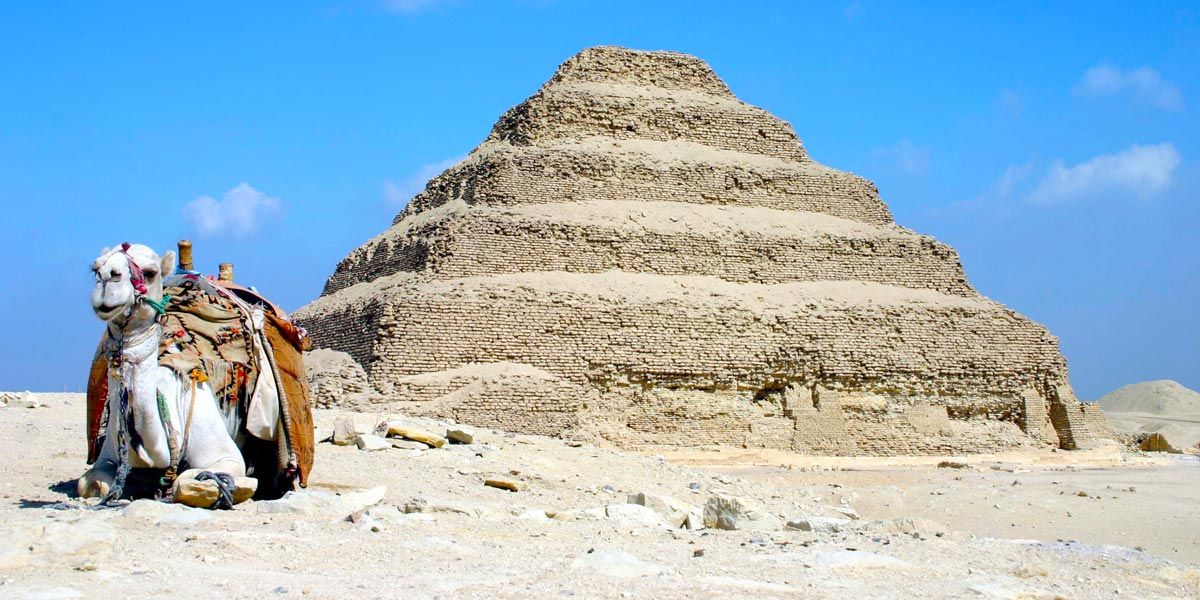
The very first pyramid in Egypt was built during the reign of King Djoser. What was initially a series of flat-roofed tomb structures known as mastabas would be completely transformed during his time in power when he commissioned the first large-scale building made out of stone—the Step Pyramid. It was built in the Saqqara Necropolis in the reign of the pharaoh and under the command of the master architect, Imhotep.
If you visit Egypt today, you must head to Saqqara in order to see:
The first-ever pyramid complex
Ancient tomb chambers and inscribed texts
The very earliest types of Egyptian pyramid construction
One of the most significant archaeological sites of ancient Egypt and one that is very close to Cairo.
Saqqara is likely to be a term that comes up often in searches of 'Step pyramid Egypt,' 'Djoser pyramid tour,' or 'ancient Egypt beginnings.'
-The Centralised state of Egypt: the pharaoh and political power
During the Old Kingdom, a strong and centralized state was formed throughout the nation. For the first time in history, the country was brought together under one rule—the pharaoh—and administered by a powerful government structure. An elaborate system of taxation was introduced to finance the enormous construction projects and an organized labor force would have been developed in order to implement these constructions.
The most important city during this period was Memphis, the political and economic center of this state, which ruled all of the Nile Valley from this region. Rulers were able to coordinate projects such as pyramid building, trade across the river, and irrigation of land in the valley from this region.
The centralized power of the state under the Old Kingdom meant that it was possible to:
Utilize large numbers of laborers in the construction of the pyramids.
Develop advanced technology and architectural understanding in order to plan and erect these structures.
The power of the divine king was increased, as were ideas of religion as linked to kingship.
The nation experienced political stability for centuries to come.
This is something you may see during an 'ancient Egypt government,' 'Memphis Egypt ruins,' or 'how pyramids were built' search, as it shows how and why the pyramid building of the period was made possible.
-King Khufu and the Great Pyramid of Giza: a marvel of the ancient world
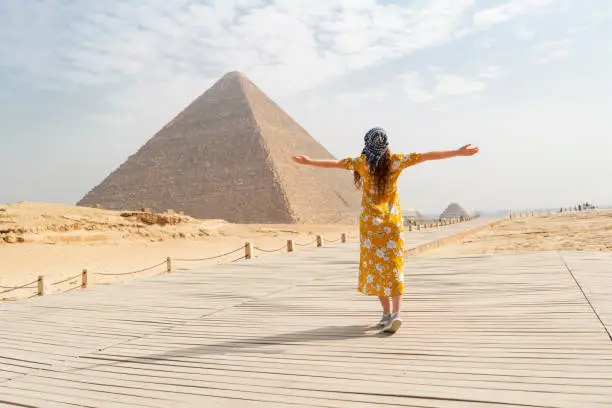
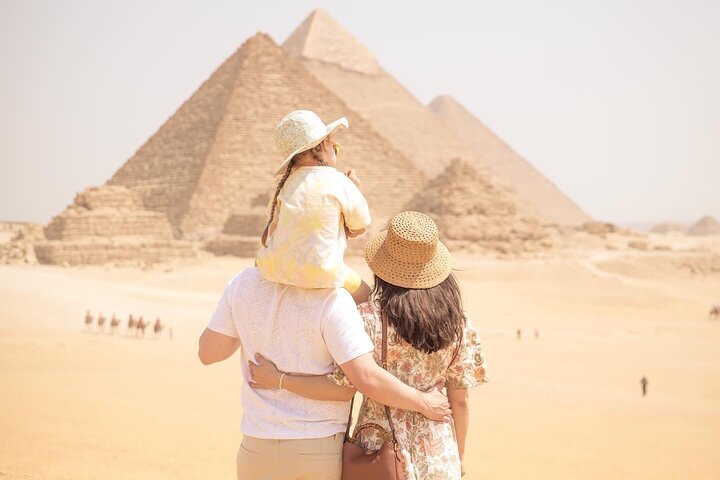
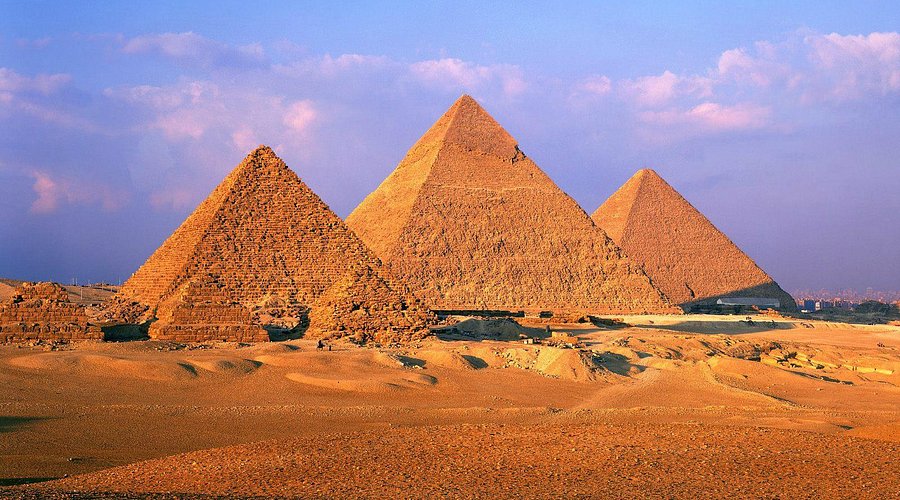
The most famous pyramid construction was built during the Old Kingdom by King Khufu during his reign. The Giza Pyramid Complex, where it is located, features the famous Great Pyramid of Giza—the largest of all the pyramids—and is one of the Seven Wonders of the ancient world and is the only one remaining today.
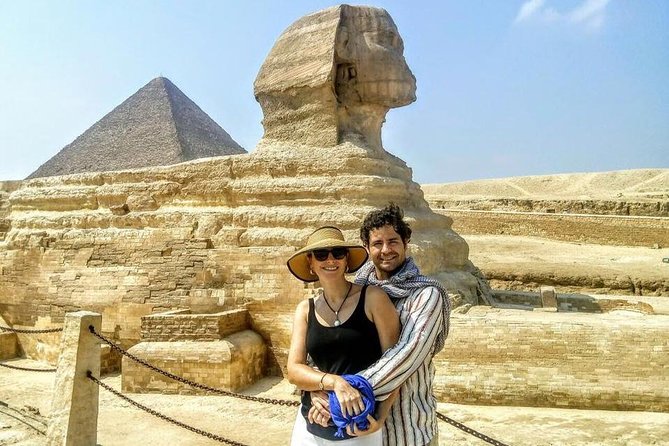
The Great Pyramid showcases the engineering mastery that was evident during the Old Kingdom in its alignment and precise stonework, and along with the pyramids built for Khafre and Menkaure as well as the Sphinx, they are now all included on tourist maps of the region.
Here tourists will be able to:
Stand directly in front of the Great Pyramid of Khufu
Look around at ancient tomb chambers
Photograph the stunning views of the desert from the pyramids.
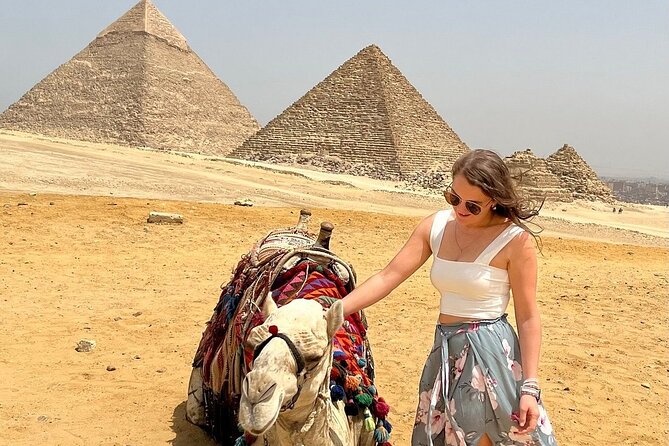
Go on a camel ride across the desert with the pyramids in the background.
A popular search terms are 'Great Pyramid of Giza facts,' 'Khufu pyramid tour,' 'Egypt Sphinx mystery,' or 'Giza travel guide.'
-Dahshur and pyramid experimentation
A less visited but nonetheless equally important historical site located south of Cairo is Dahshur. Builders working during the reign of King Sneferu, father of Khufu, tested theories of pyramid construction with both the Bent Pyramid (the name of the pyramid showing the changing angle during construction) and the first smooth-sided pyramid construction, the Red Pyramid. These were a vital step towards perfecting the art of pyramid construction that would come to dominate Egyptian architecture throughout the subsequent millennia and are crucial for gaining a deeper understanding of pyramid building.
The sites at Dahshur are a good alternative for visitors due to:
-Having fewer crowds compared to Giza.
-Allowing visits inside pyramid chambers.
-An unblemished ancient environment providing a quieter touring experience
-Good overview of the evolution that took place during the Old Kingdom to reach pyramidal stages.
-Searched under 'hidden pyramids near Cairo,' 'Red pyramid Egypt visit,' or 'Dahshur pyramid tour.'
- why is Old Kingdom the real Egypt in terms of touring
The Old Kingdom undeniably represents the true essence of Egypt as a tourist destination. The innovative and truly revolutionary Step Pyramid of Djoser laid the groundwork for all other Egyptian pyramids, including the iconic Great Pyramid of Khufu, which, along with the unified state brought about during this era of history, remains the reason why so many millions of travelers visit this beautiful and awe-inspiring land every year to explore ancient monuments that truly stand the test of time and are part of Egypt's most important history.
The Old Kingdom, it may truly be said, began the story of what would become an important travel destination where visitors from around the world continue to be inspired by the remarkable ambition and ingenuity of ancient civilizations that, to this day, still command awe and wonder.
-Religion in the Old Kingdom
Religion was at the heart of life during the Old Kingdom of Egypt. The pharaoh was believed to be a divine ruler chosen by the gods to maintain Ma'at, the principle of truth, justice, and cosmic order. Sun worship became increasingly important, especially the worship of Ra, the sun god, while elaborate funerary rituals and offerings reflected the Egyptians' strong belief in the afterlife. Temples and tombs were carefully designed to ensure the king's eternal journey and continued protection of Egypt.
-Daily Life During the Old Kingdom
Although the pharaoh ruled the country, most Egyptians were farmers, craftsmen, merchants, and laborers who supported the kingdom's economy. The annual flooding of the Nile provided fertile land for agriculture, allowing communities to grow wheat, barley, flax, fruits, and vegetables. Skilled artisans produced statues, jewelry, pottery, and tools, while organized workers helped construct pyramids, temples, and royal tombs. This stable society contributed greatly to the prosperity of the Old Kingdom.
-Art and Architecture of the Old Kingdom
The Old Kingdom marked a turning point in Egyptian art and architecture. Architects mastered large-scale stone construction, leading to the creation of pyramids, temples, mastabas, and impressive statues. Artistic styles became highly refined, with sculptures, relief carvings, and wall paintings designed to honor the gods and preserve the legacy of the pharaohs. Many architectural techniques developed during this period influenced Egyptian building projects for centuries.
-Why Did the Old Kingdom Collapse?
By the end of the Sixth Dynasty, the Old Kingdom gradually declined due to several factors. The growing power of regional governors weakened the authority of the central government, while economic difficulties and the high cost of maintaining massive building projects placed increasing pressure on the state. A series of low Nile floods also reduced agricultural production, leading to food shortages and political instability. These challenges eventually brought the Old Kingdom to an end around 2181 BCE, beginning the First Intermediate Period.