Medinet Habu Temple
Medinet Habu Temple: Discover One of Luxor's Best-Preserved Ancient Monuments
The History of Medinet Habu Temple
Located on the West Bank of Luxor, Medinet Habu Temple is one of the most remarkable yet often overlooked archaeological sites in Egypt. Officially known as the Mortuary Temple of Ramesses III, this extraordinary monument was constructed during the 20th Dynasty, around 1186–1155 BC, and dedicated primarily to the god Amun. Today, the Medinet Habu Temple in Luxor stands as one of the finest examples of ancient Egyptian architecture and remains a must-visit destination for travelers interested in the country's rich history.
Commissioned by Ramesses III, widely regarded as the last great ruler of Egypt's New Kingdom, the temple served as both a royal mortuary temple and a fortified religious complex during one of the most turbulent periods in Egyptian history. At a time when Egypt faced repeated invasions, the temple became a secure administrative and religious center protected by massive defensive walls.
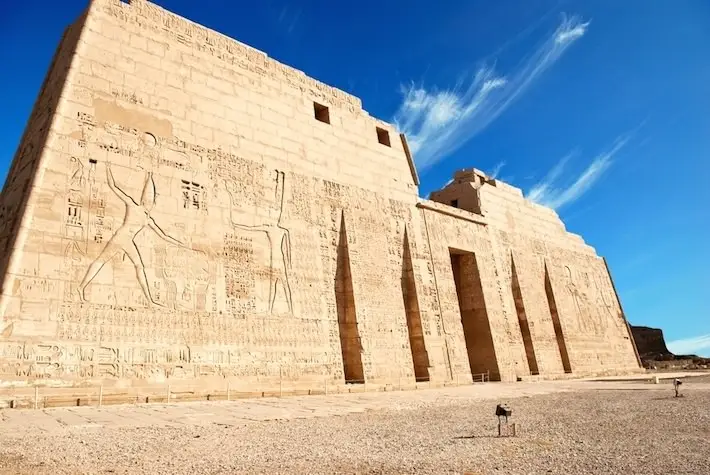
One of the site's greatest historical treasures is its remarkably preserved reliefs depicting Ramesses III's victories over the Sea Peoples. These detailed carvings are among the most significant military records found anywhere in ancient Egyptian temples, offering valuable insight into the warfare, politics, and military achievements of the New Kingdom. Over time, additional chapels, storage rooms, priestly residences, and administrative buildings were added, transforming the complex into a thriving religious community. Today, Medinet Habu forms part of the UNESCO-listed Theban Necropolis, making it one of the most important Luxor archaeological sites and one of Egypt's most valuable historical landmarks.
Architecture and Artistic Highlights
What makes Medinet Habu Temple in Egypt unique is its fortress-like appearance. Unlike many other temples in Luxor, the entire complex is enclosed by enormous mudbrick walls that once protected both its religious treasures and its inhabitants.
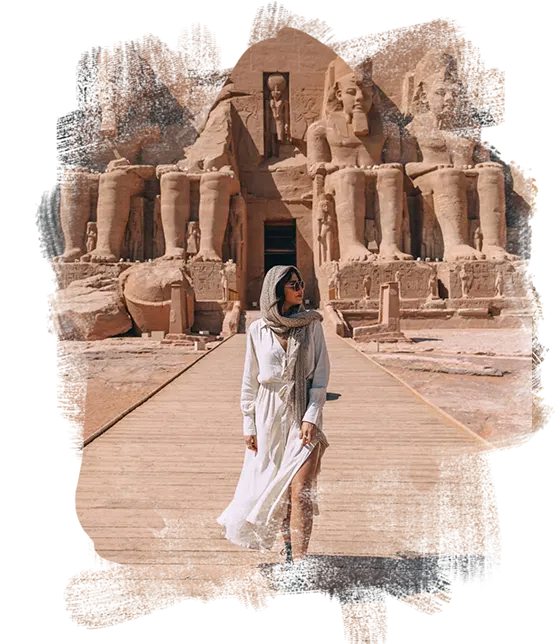
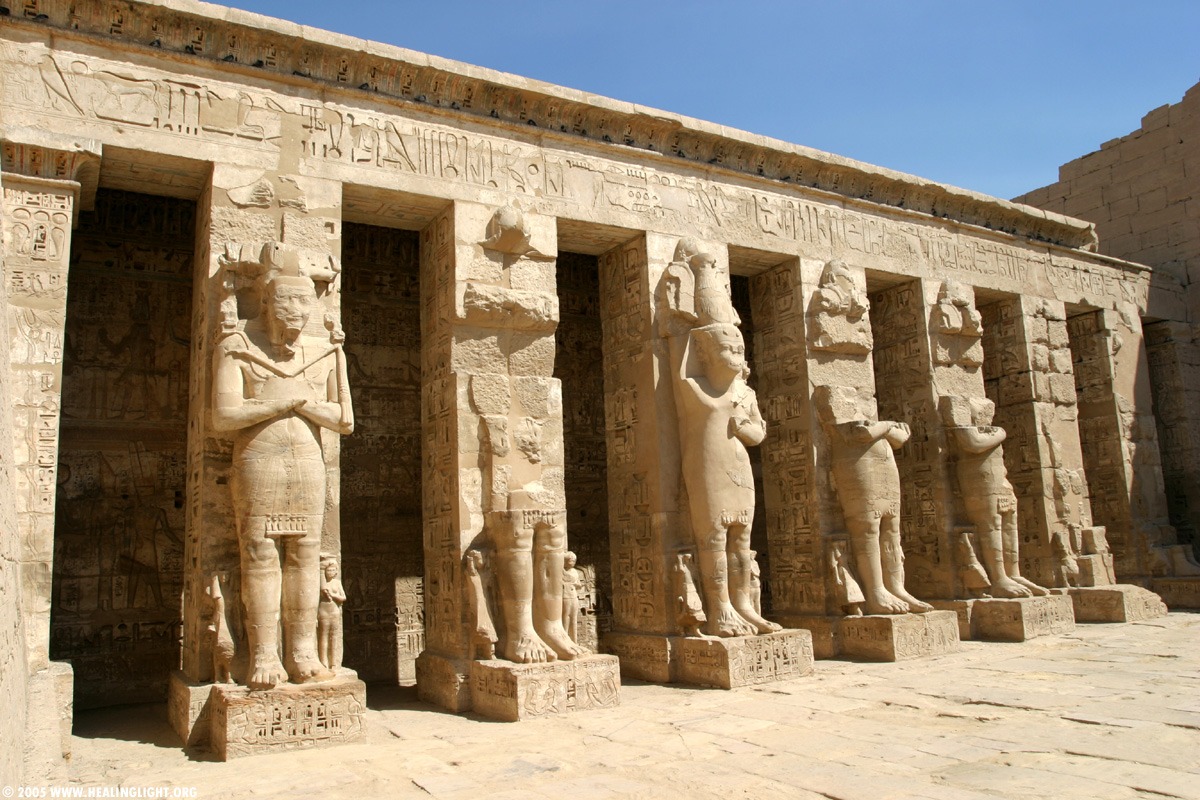
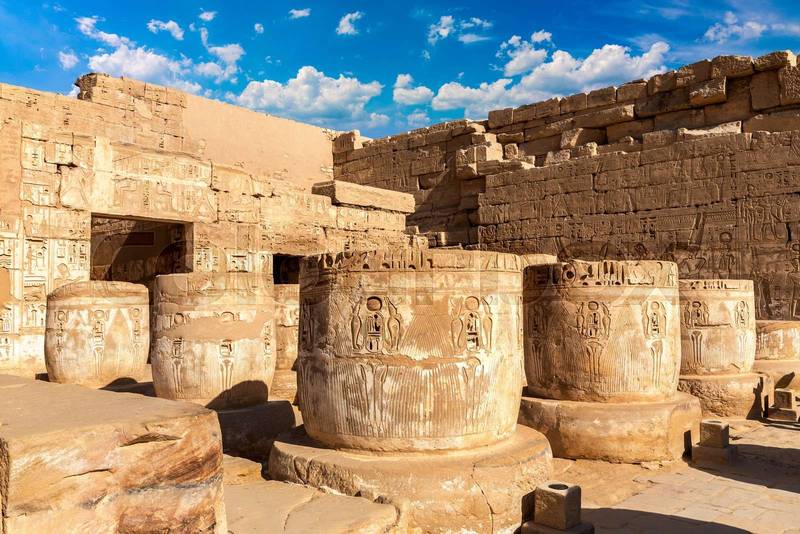
Inside the temple, visitors are greeted by towering entrance pylons, spacious courtyards, magnificent hypostyle halls, beautifully decorated shrines, and royal chambers adorned with some of the best-preserved carvings in Egypt. The walls are covered with intricate reliefs illustrating military victories, sacred rituals, religious festivals, royal ceremonies, and offerings to the gods.
One of the most impressive features of the temple is the vibrant color that still survives on many of its carvings. Even after more than 3,000 years, traces of the original paint remain visible, allowing visitors to appreciate the artistry of ancient Egyptian monuments much as they appeared during the reign of Ramesses III.
Its location among the famous West Bank Luxor temples, close to the Valley of the Kings, the Temple of Hatshepsut, and the Colossi of Memnon, further highlights the temple's historical and spiritual significance.
Visiting Medinet Habu Temple
A visit to Medinet Habu Temple Luxor offers a quieter and more immersive experience than many of the city's more famous attractions. While thousands of visitors head directly to the Valley of the Kings each day, Medinet Habu allows travelers to admire its extraordinary architecture and artwork without overwhelming crowds.
Most visitors spend between one and two hours exploring the temple's grand courtyards, towering gateways, and remarkably preserved reliefs. The peaceful atmosphere makes it one of the most rewarding things to do in Luxor, particularly for travelers who want to experience an authentic archaeological site at a slower pace.
Many visitors include the temple as part of a Luxor West Bank tour, combining it with nearby attractions such as the Valley of the Kings, the Temple of Hatshepsut, and the Colossi of Memnon. Hiring a knowledgeable guide can greatly enhance the experience, helping visitors understand the stories behind the temple's detailed inscriptions and historical scenes.
Best Time to Visit Medinet Habu Temple
The best time to visit Medinet Habu Temple is early in the morning, when cooler temperatures and soft sunlight beautifully illuminate the carvings and hieroglyphs. Late afternoon is another excellent time for sightseeing and photography, thanks to the warm natural light that highlights the temple's remarkable details.
For the most comfortable weather, plan your visit between October and April, when temperatures in Luxor are ideal for exploring outdoor monuments and other nearby Luxor archaeological sites.
Why Medinet Habu Temple Is Worth Visiting
Although it is often overshadowed by more famous attractions, Medinet Habu Temple is widely considered one of the best-preserved ancient Egyptian temples and one of the most fascinating historical Egyptian sites. Its impressive architecture, vivid reliefs, and exceptional state of preservation offer an unforgettable glimpse into the religious beliefs, military history, and artistic achievements of the New Kingdom.
Whether you're interested in archaeology, history, photography, or simply discovering the best things to do in Luxor, Medinet Habu delivers an experience unlike any other. As one of the most significant West Bank Luxor temples, it provides visitors with an authentic journey into ancient Egypt while remaining one of the city's most underrated treasures. For anyone planning a trip to Luxor, a visit to Medinet Habu Temple in Egypt is an essential part of exploring the timeless wonders of this extraordinary destination.