Hatshepsut Temple
Temple of Hatshepsut: Discover the Iconic Mortuary Temple of Egypt's Greatest Female Pharaoh
The Story of Hatshepsut Temple
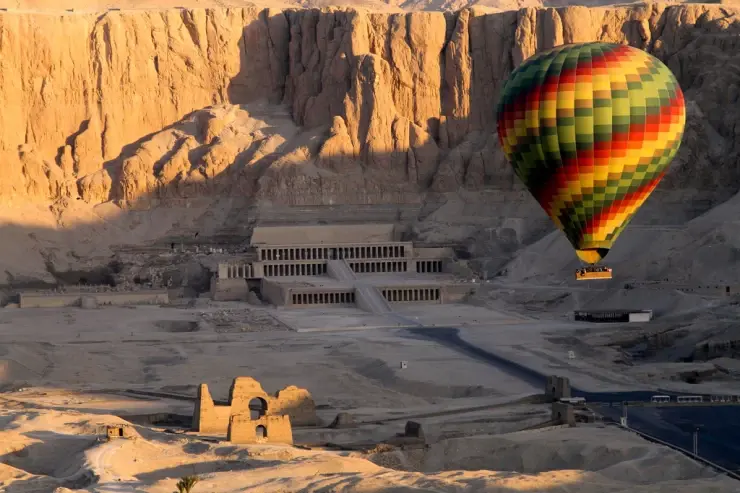
Deeply connected to one of the most influential rulers in ancient Egypt, the Temple of Hatshepsut stands as one of the country's most extraordinary monuments. Located at Deir el-Bahari on Luxor's West Bank, this magnificent mortuary temple was built during the reign of Queen Hatshepsut in the 15th century BC and was dedicated to both the queen herself and the god Amun-Ra. Designed by her trusted royal architect, Senenmut, the temple was intended to honor her legacy while serving as a place of worship and royal remembrance.
Hatshepsut is remembered as one of the few women to rule Egypt as pharaoh, overseeing a period of peace, prosperity, and economic growth. Rather than focusing on military expansion, she invested heavily in trade, monumental construction, and religious projects that strengthened Egypt's wealth and influence. One of her greatest achievements was the famous trading expedition to the Land of Punt, an event beautifully illustrated on the temple's walls through remarkably preserved reliefs.
Following her death, attempts were made by later rulers to erase her name and image from history, likely for political reasons. Many statues were damaged, inscriptions were removed, and parts of the temple were altered. Despite these efforts, the Temple of Hatshepsut survived and remains one of the most significant monuments of the New Kingdom. Today, it forms part of the UNESCO-listed Theban Necropolis is considered one of the most important Luxor tourist attractions, attracting visitors from around the world who want to explore the legacy of Egypt's greatest female pharaoh.
Grand Architectural Design
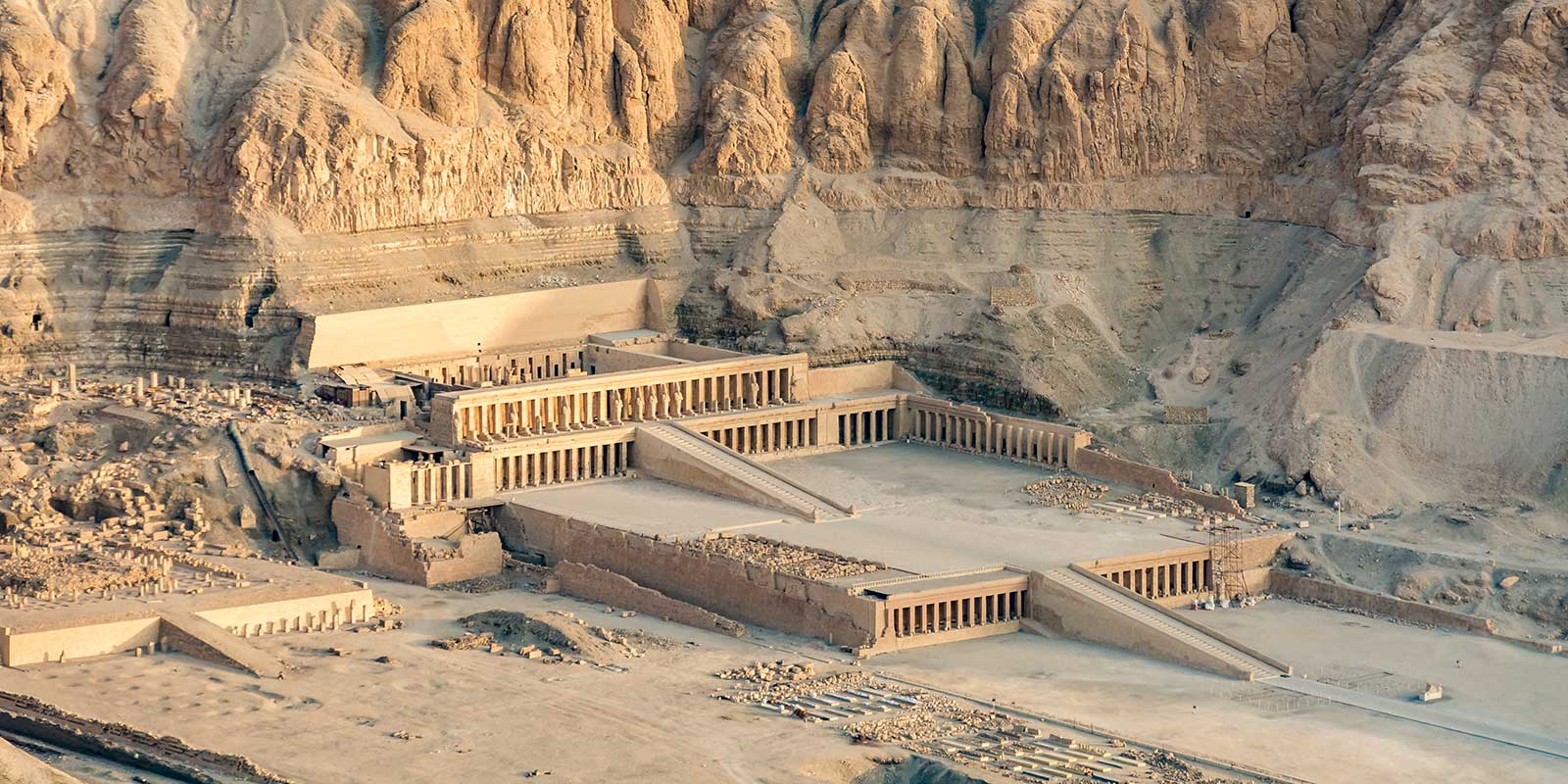
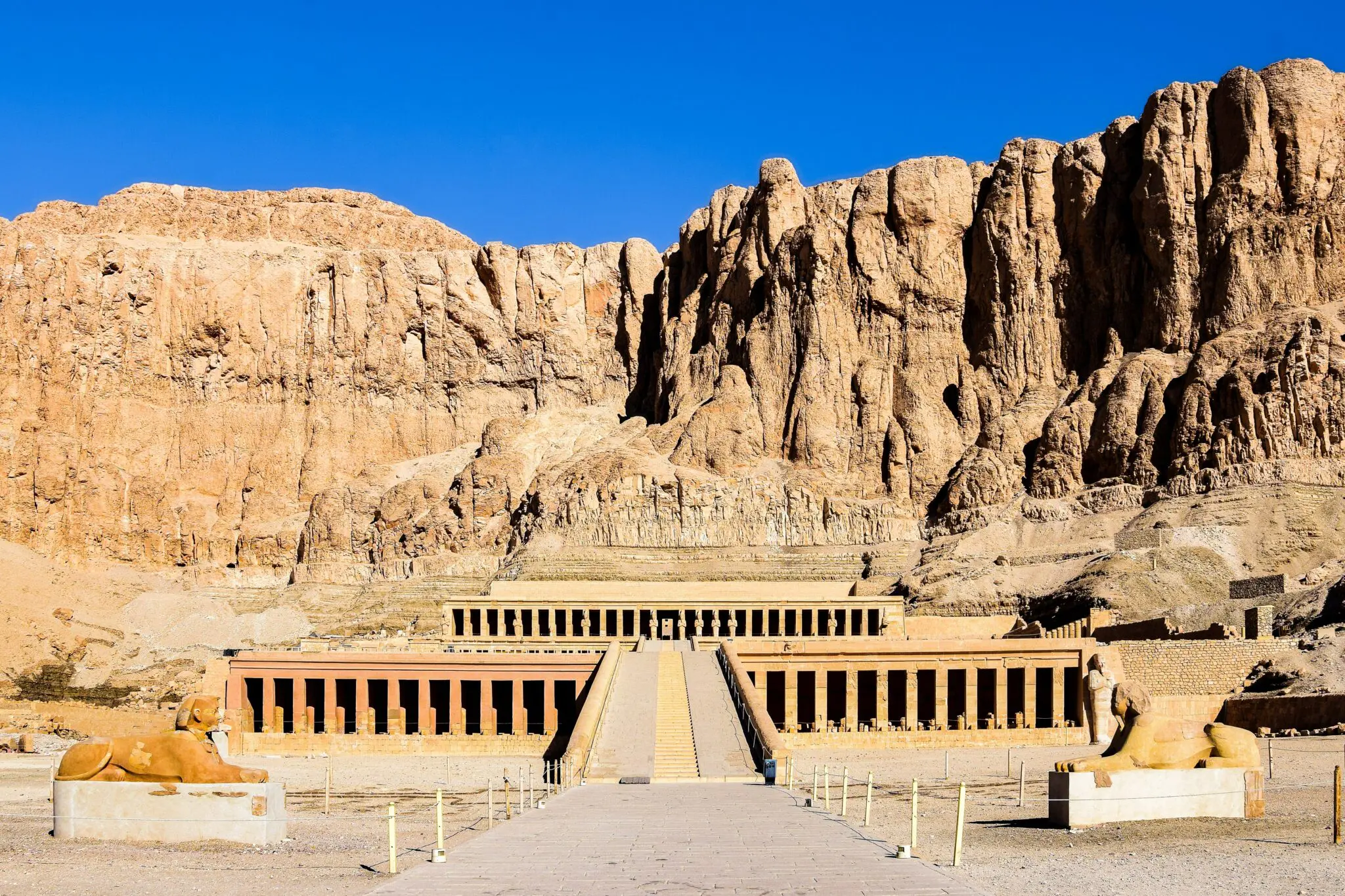
The Temple of Hatshepsut is widely regarded as one of the masterpieces of ancient Egyptian architecture. Unlike the traditional temple layout found elsewhere in Egypt, this remarkable structure was carefully built into the dramatic limestone cliffs of Deir el-Bahari, creating a seamless connection between human craftsmanship and the surrounding natural landscape.
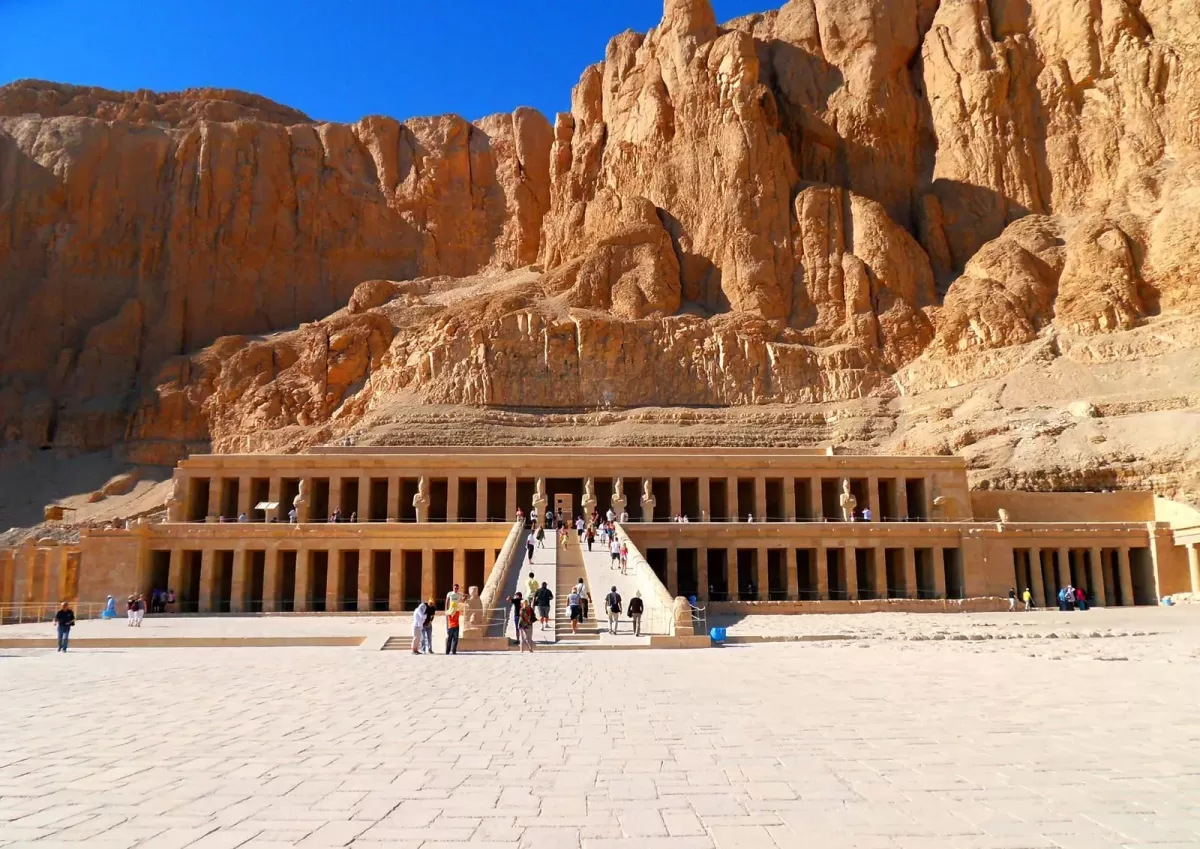
The temple consists of three massive terraces connected by long central ramps and lined with elegant colonnades. These terraces lead visitors gradually toward the sanctuary, creating an impressive sense of symmetry and scale. The design was revolutionary for its time and influenced later temple construction throughout ancient Egypt.
Another fascinating feature is the temple's astronomical alignment. Its central axis was designed to align with the rising sun during the winter solstice, reinforcing its religious connection with the sun god Amun-Ra. Every architectural element reflects careful planning, symbolism, and the importance of divine kingship within ancient Egyptian beliefs.
Visitors can admire beautifully carved reliefs depicting Hatshepsut's divine birth, religious ceremonies, offerings to the gods, and her famous expedition to Punt, which brought exotic goods such as incense, ebony, gold, and myrrh trees back to Egypt. Many of these carvings remain remarkably detailed, making the temple one of the finest places to appreciate the artistry and storytelling of the New Kingdom.
The temple has also undergone extensive archaeological excavation and restoration over the past century. Thanks to ongoing conservation efforts, visitors today can experience much of its original grandeur while learning about one of Egypt's most ambitious building projects.
Religious Significance and Historical Legacy
Beyond its striking appearance, the Temple of Hatshepsut played an important religious role within ancient Thebes. It served as the setting for festivals honoring Amun-Ra and was closely connected to nearby temples through ceremonial processions that reinforced the spiritual importance of Luxor's West Bank.
The temple also reflected Hatshepsut's political vision. Through carefully designed inscriptions and statues, she presented herself as the rightful ruler of Egypt, chosen by the gods to lead the kingdom. These artistic programs helped strengthen her legitimacy at a time when female pharaohs were extremely rare.
Today, historians regard the temple not only as an architectural masterpiece but also as one of the most valuable historical records of Hatshepsut's reign. Its reliefs continue to provide archaeologists with important information about ancient Egyptian religion, international trade, royal ceremonies, and daily life during the New Kingdom.
A Tour to the Temple of Hatshepsut: Travel Tips
Visiting the Temple of Hatshepsut is one of the highlights of any trip to Luxor. Situated among the famous archaeological sites of the West Bank, the temple offers visitors an unforgettable journey through one of the most fascinating chapters of ancient Egyptian history.
Early in the morning is the best time to visit, when temperatures are more pleasant and the early sunlight enhances the beauty of the temple's terraces and detailed reliefs. Late afternoon is another excellent option, particularly for photography, as the limestone cliffs take on warm golden tones.
Most visitors include the temple as part of a Luxor West Bank tour, which often combines the Valley of the Kings, the Colossi of Memnon, and Medinet Habu Temple in a single day. Since the site covers a large area, comfortable walking shoes, sunscreen, and plenty of water are recommended, especially during the summer months.
Hiring an experienced guide can significantly enrich the visit. The detailed carvings throughout the temple tell stories of royal ceremonies, religious rituals, and Hatshepsut's accomplishments that are easy to overlook without historical explanation. A guided tour helps visitors fully appreciate the symbolism behind the architecture and artwork while bringing the history of ancient Egypt to life.
Why the Temple of Hatshepsut Is a Must-Visit in Luxor
The Temple of Hatshepsut is much more than an ancient monument; it is a symbol of one of Egypt's most remarkable rulers and one of the finest achievements of New Kingdom architecture. Its elegant design, dramatic setting, and exceptional state of preservation make it one of the most photographed and admired temples in the country.
Whether you're fascinated by archaeology, ancient history, architecture, or photography, the temple offers something unique. Walking through its terraces while surrounded by towering cliffs creates an atmosphere unlike any other archaeological site in Egypt.
Its location near the Valley of the Kings and other famous Luxor attractions makes it an essential stop for anyone exploring the West Bank. Together, these monuments tell the story of ancient Thebes, one of the world's greatest religious and political capitals.
For travelers planning Egypt tours, Luxor day trips, or a complete exploration of the country's ancient heritage, the Temple of Hatshepsut remains one of the most rewarding places to visit. Its remarkable history, breathtaking architecture, and enduring legacy ensure it continues to inspire visitors more than 3,500 years after it was built.
Best Time to Visit the Temple of Hatshepsut
The Temple of Hatshepsut can be visited throughout the year, but the most pleasant months are between October and April, when Luxor enjoys cooler temperatures ideal for sightseeing. Arriving early in the day not only helps you avoid the midday heat but also allows you to explore the temple before larger tour groups arrive.
The winter months are especially popular for visitors exploring Luxor tourist attractions, making advance planning worthwhile. Whether you are visiting independently or as part of a guided Luxor West Bank tour, allowing at least one to two hours at the temple gives you enough time to appreciate its architecture, admire its detailed reliefs, and enjoy one of Egypt's most iconic archaeological sites.