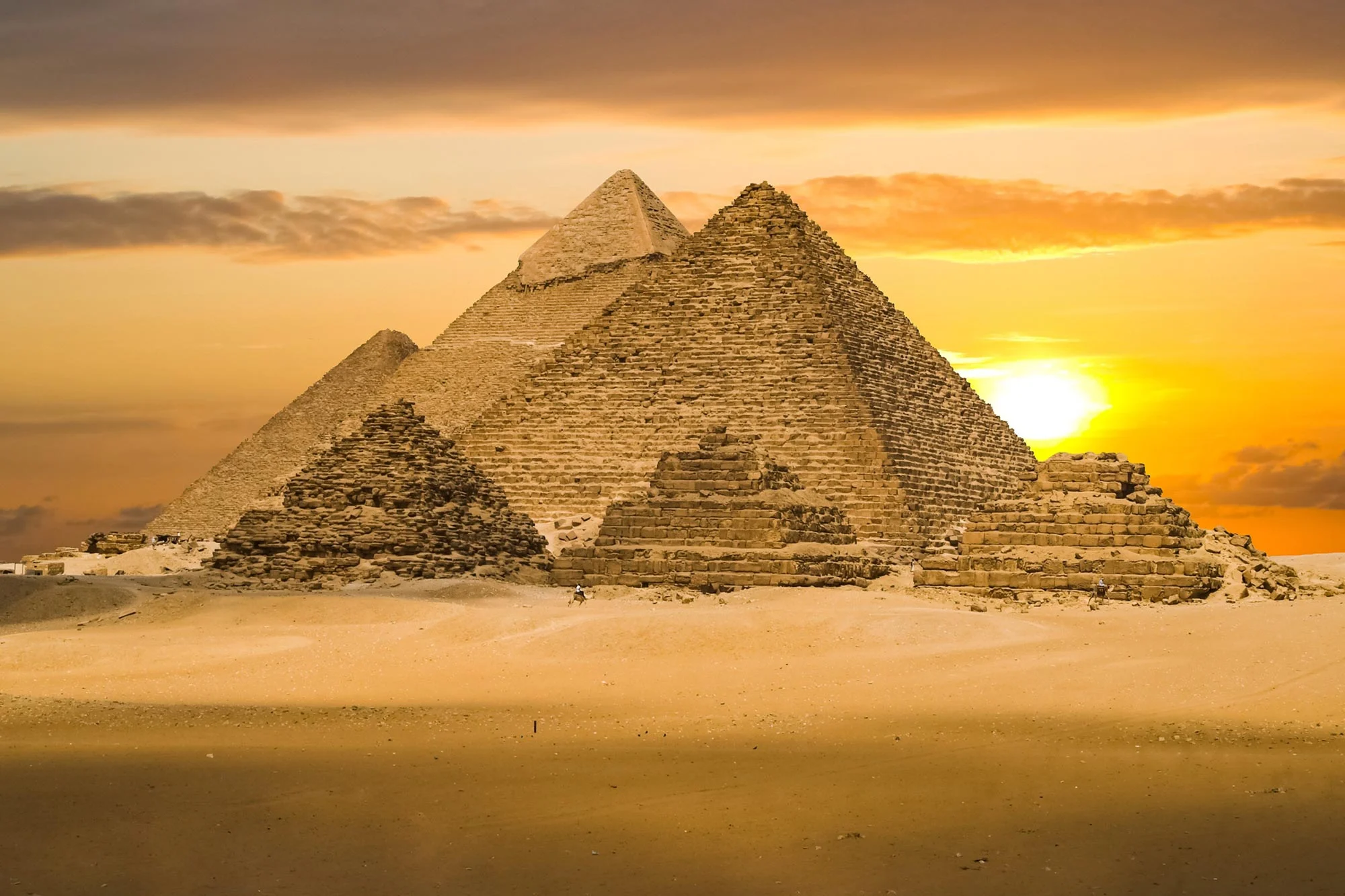
The Great Pyramids of Giza
-History & Significance of the Great Pyramids
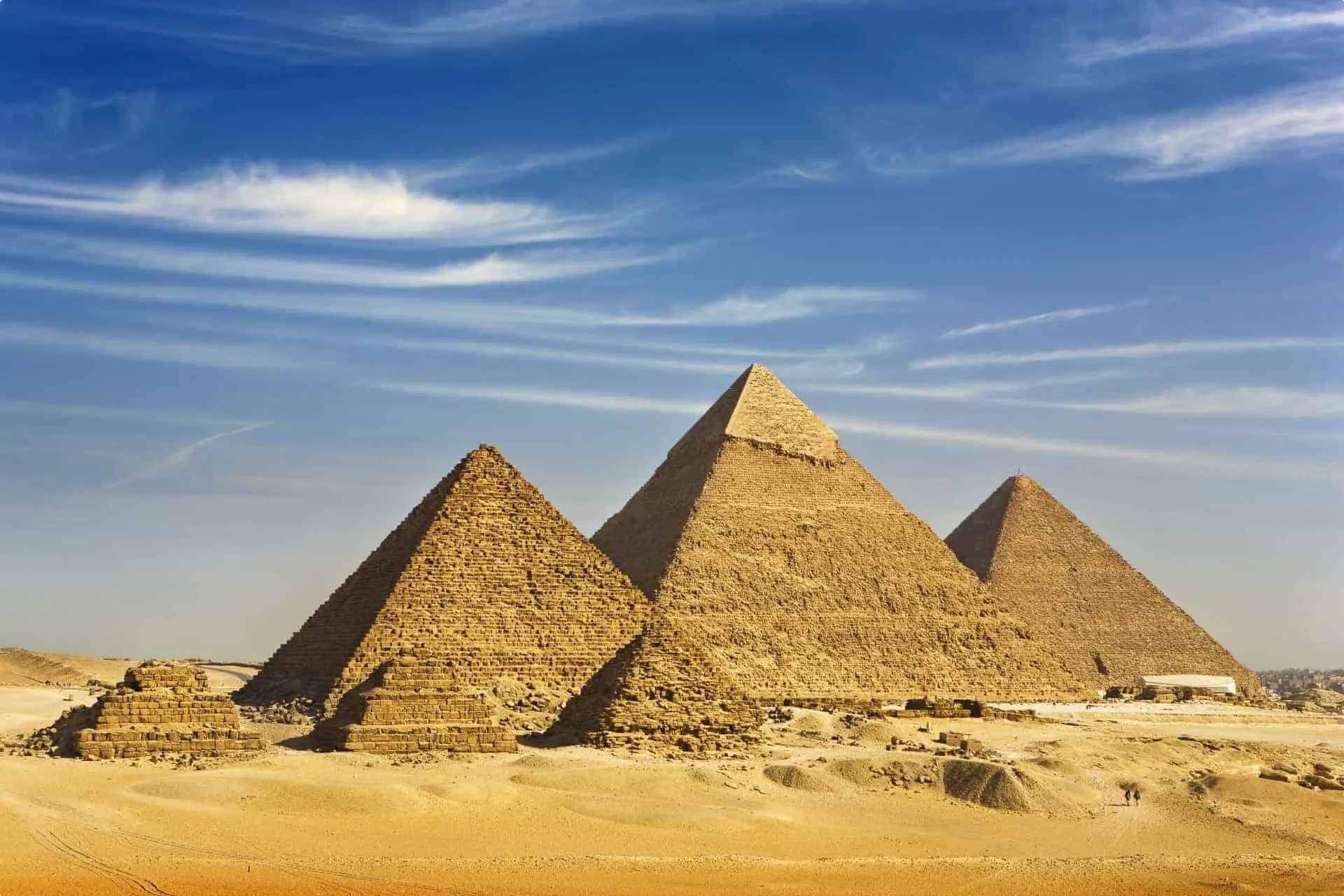
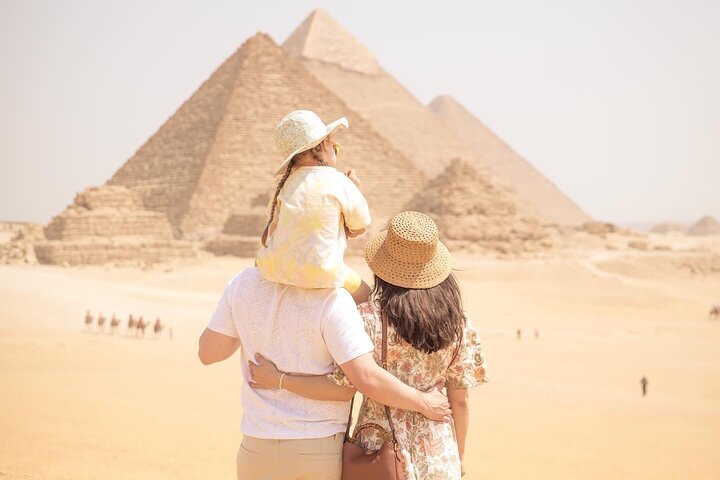
Built over 4500 years ago during the Old Kingdom of Ancient Egypt, the Great Pyramids of Giza were created as colossal tombs for the Pharaohs of Egypt. The largest and most impressive of them is the Great Pyramid of Khufu, surrounded by the slightly smaller pyramids of Khafre and Menkaure. These astonishing structures remain as a testament to the engineering skills and spiritual beliefs of the Egyptians, with their precise alignment and magnificent scale still mystifying archeologists and tourists.
-Why the Great Pyramids is a Must-Visit Attraction in Egypt
These ancient structures are so much more than just historical ruins they represent one of the most iconic and captivating experiences on Earth. Situated at a distance of a short trip from Cairo, they form a vital part of any typical Egyptian itinerary. The Great Pyramids truly combine history with a thrilling adventure and are an attraction that every visitor to Egypt absolutely must see.
-The Three Pyramids of Giza
The Giza Pyramid Complex was constructed during Egypt's Fourth Dynasty (c. 2600–2500 BC) and served as the royal necropolis for three successive pharaohs: Khufu, Khafre, and Menkaure. Although the pyramids are often viewed as a single monument, each was built during a different reign and reflects the architectural development of the Old Kingdom.
-The Great Pyramid of Khufu
The Great Pyramid of Khufu is the oldest and largest pyramid on the Giza Plateau. Built around 2580–2560 BC, it was commissioned by Pharaoh Khufu and originally reached a height of 146.6 meters (481 feet). Today, due to the loss of its polished limestone casing and pyramidion, it stands at approximately 138.8 meters (455 feet).
Archaeological estimates indicate that the monument was built using about 2.3 million limestone and granite blocks, with some granite blocks transported from Aswan, nearly 900 kilometers south of Giza. The pyramid originally had smooth white Tura limestone casing stones that reflected sunlight, making the monument visible from great distances.
Inside the pyramid are several remarkable architectural features, including the Descending Passage, the Ascending Passage, the Grand Gallery, the Queen's Chamber, and the King's Chamber, which houses Khufu's granite sarcophagus.
-The Pyramid of Khafre
The Pyramid of Khafre was erected for Pharaoh Khafre during the Fourth Dynasty, around 2570 BC. Although it is smaller than the Great Pyramid of Khufu, its foundation rests on a higher level of bedrock, making it appear more imposing from a distance. The pyramid originally reached a height of approximately 143.5 meters (471 feet), securing its place as the second-largest pyramid in Ancient Egypt.
One of the pyramid's most distinctive characteristics is the surviving section of polished Tura limestone casing near its summit, providing valuable evidence of the appearance of all pyramids before centuries of stone removal.
Khafre's pyramid forms part of a complete funerary complex that includes a Mortuary Temple, a Causeway connecting the pyramid to the Valley Temple, and the Great Sphinx. These structures demonstrate the sophisticated planning of royal burial complexes during the Old Kingdom.
-The Pyramid of Menkaure
The Pyramid of Menkaure is the smallest of the three principal pyramids and was constructed around 2510 BC for Pharaoh Menkaure, Khafre's successor. It originally measured approximately 65.5 meters (215 feet) in height.
Unlike the larger pyramids, Menkaure's monument incorporated extensive use of red Aswan granite along its lower courses, while the upper portion was finished with fine limestone casing. Three smaller satellite pyramids were built on its southern side, most likely serving as tombs for royal women or as ceremonial pyramids connected with the king's funerary cult.
Despite its smaller size, the Pyramid of Menkaure displays refined construction techniques and remains an essential part of the Giza Necropolis.
-The Great Sphinx of Giza
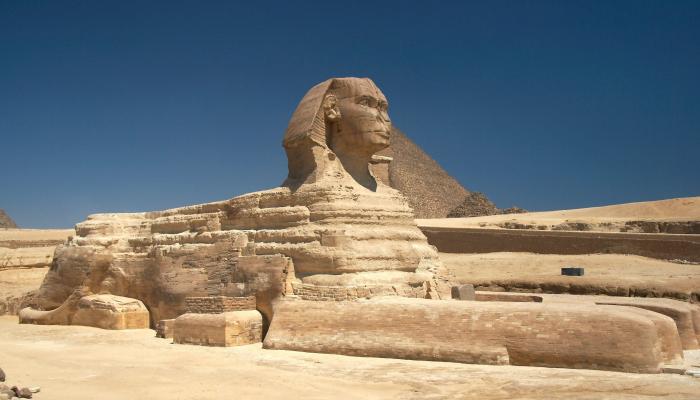
Located directly east of Khafre's pyramid complex, the Great Sphinx of Giza is the largest surviving monolithic statue from Ancient Egypt.Carved from a single outcrop of natural limestone on the Giza Plateau, the Great Sphinx stretches about 73 meters (240 feet) in length, measures 19 meters (62 feet) across, and rises approximately 20 meters (66 feet) above the ground.
The monument combines the body of a reclining lion with the head of a king wearing the royal Nemes headdress, symbolizing strength, kingship, and divine protection. Most Egyptologists attribute its construction to Pharaoh Khafre around 2500 BC, based on archaeological evidence linking the statue to his Valley Temple and pyramid complex.
Throughout its history, the Sphinx was repeatedly buried beneath drifting desert sand until several excavation campaigns uncovered it, most notably during the reign of Thutmose IV, who erected the famous Dream Stela between the statue's paws after clearing part of the monument.
Today, the Great Sphinx remains one of Egypt's greatest archaeological treasures, standing as the symbolic guardian of the Giza Plateau and offering valuable insight into the artistic and religious traditions of the Old Kingdom.
-More Important Information You Need To Know
The best time to visit the Pyramids of Giza is between October and April, with early morning or late afternoon offering cooler temperatures and fewer crowds. The archaeological site is generally open daily from 7:00 AM to 5:00 PM in winter and until 6:00 PM in summer. Ticket prices vary depending on nationality and whether you wish to enter the pyramids, so it is recommended to check the latest official rates before your visit. The Giza Plateau is about 20 km (12 miles) from downtown Cairo and can be easily reached by taxi, Uber, public bus, or a guided tour.
-Top 5 things to do at the Giza Plateau
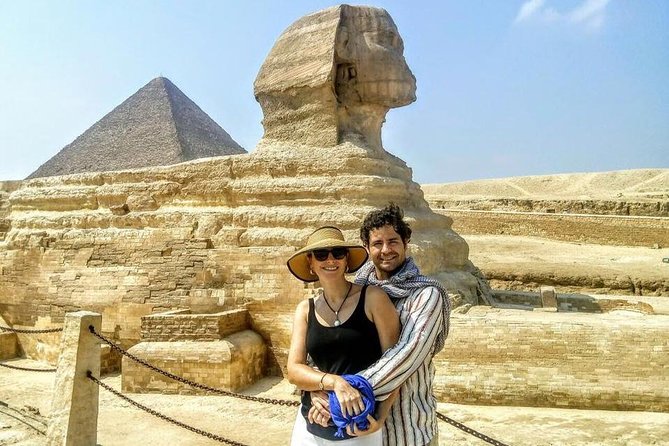
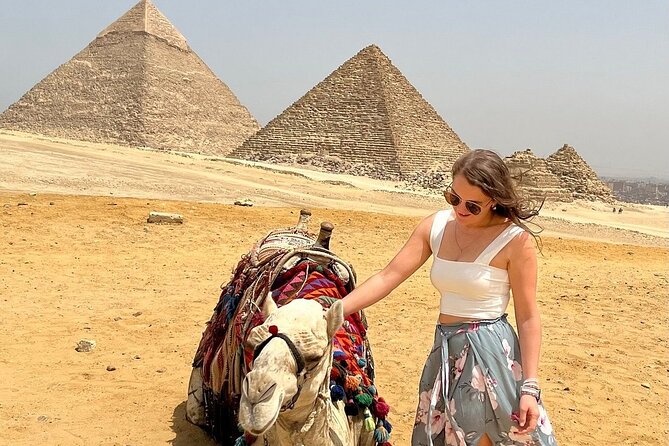
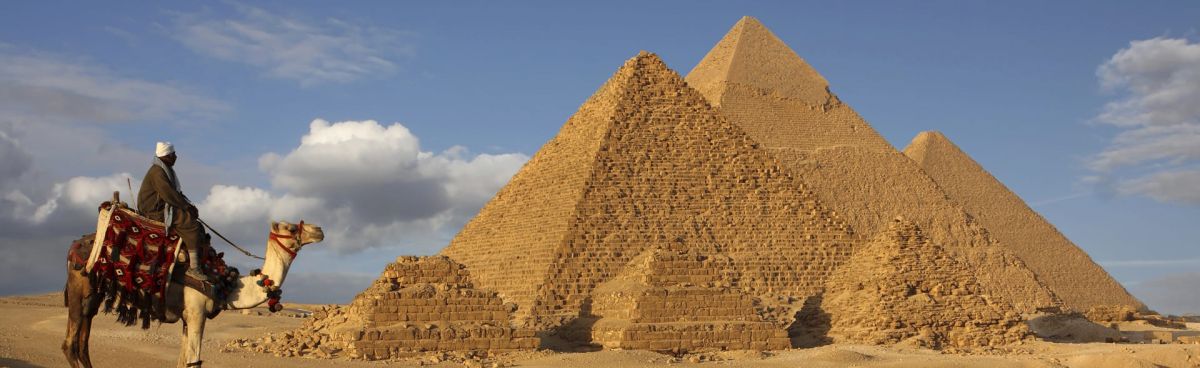
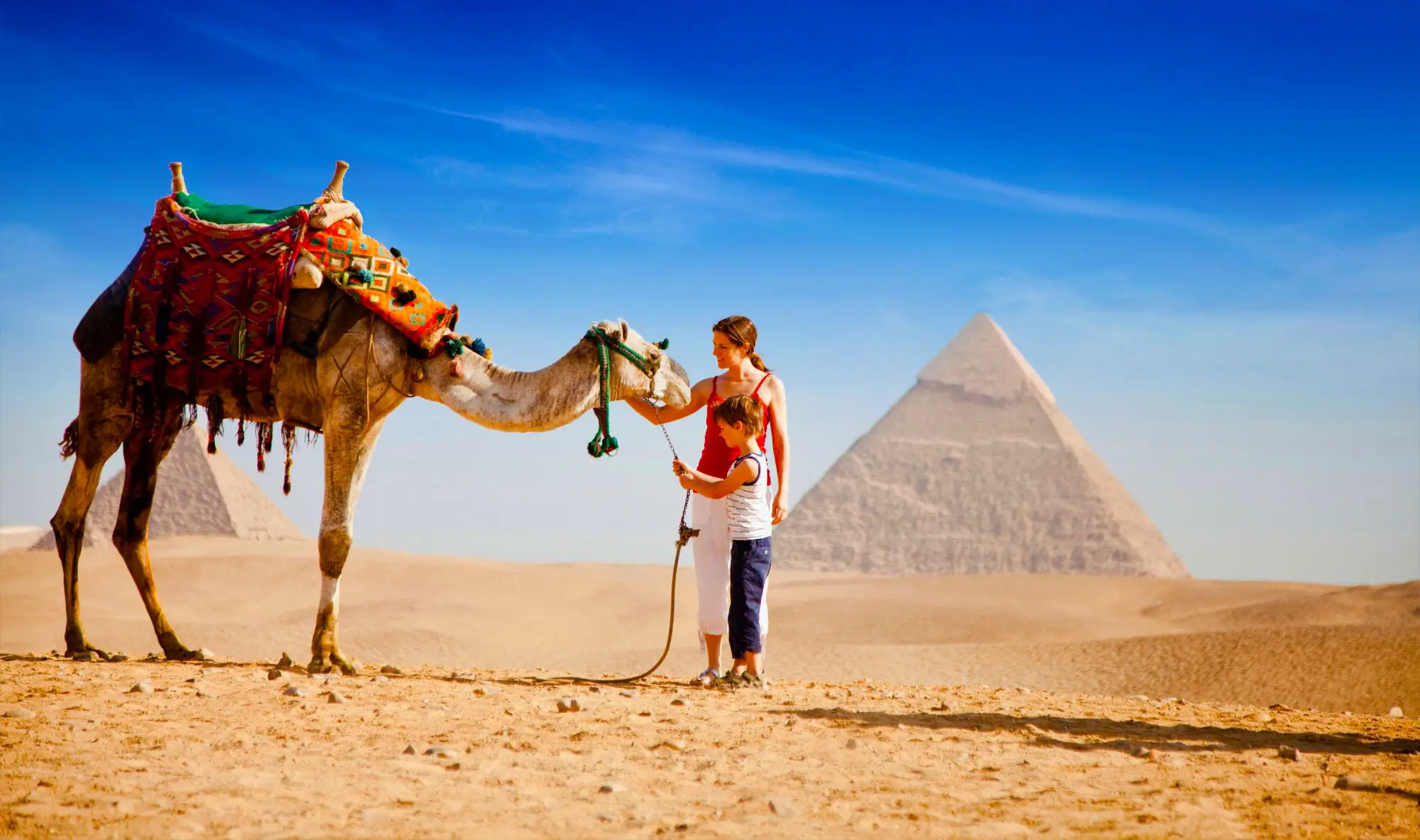
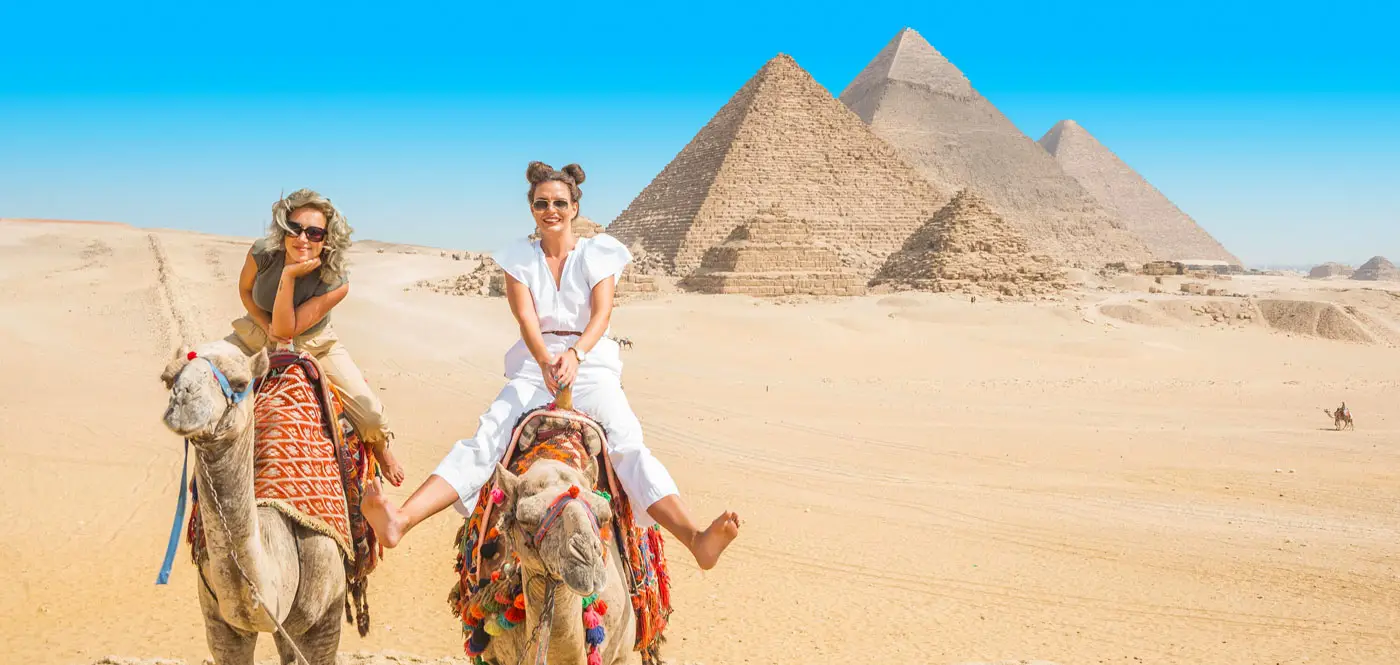
It is not only enough to merely stare at these ancient monuments from afar; it is very important to actually experience and see everything the Giza Plateau has to offer. While some chambers inside the pyramids can be entered, visitors can also enjoy exploring the vast site and get stunning views of all 3 pyramids. One can also marvel at the colossal Sphinx guarding the plateau, as well as take a memorable camel ride over the golden sand, to obtain remarkable photo opportunities with the pyramids forming a magnificent backdrop.
-5 Best tips when visiting the Great Pyramids
It is advisable to reach the pyramids in the early morning or late evening to both enjoy them to their fullest and beat the crowds and extreme heat. It is extremely important to wear appropriate clothing, wear sunscreen, and carry enough water, especially if visiting in the summer months. Tourists are highly recommended to hire a qualified and licensed guide to learn about the history of the pyramids and assist you in navigating the site with ease. Lastly, bring your camera, as the illumination from the sunrise and sunset makes for some of the most breathtaking views in the whole of Egypt.
.jpg "Giza Pyramids")