Al Fahidi Historical District Guide
Dubai is famous for its iconic skyline, luxury shopping, and those world-class attractions, but honestly, the real heritage feels a bit more intimate over in the Al Fahidi Historical District. It’s one of the oldest areas in Dubai, and it’s kept in such a nice way that, when you walk through it, you get this chance to see traditional Emirati architecture up close. Plus there are cultural landmarks, small museums, and narrow alleyways that kind of explain how Old Dubai used to be.
A lot of Dubai tours seem to slot Al Fahidi as a featured stop, and they often mix it with places people already expect, like Dubai Creek, the Gold Souk, the Spice Souk, or even a classic abra boat ride. So whether you go with a guided heritage tour or you just wander around on your own timetable, the vibe is very different from the sleek modern side of the city, and that contrast feels pretty amazing.
This Al Fahidi Historical District Guide goes over pretty much everything you’d want before you arrive, like the best activities, the top attractions, opening hours, practical travel tips, and also nearby spots worth a quick detour. If you’re building an itinerary or you’re checking which Dubai tour looks best, this should help you get the most out of your visit to one of the city’s most historic places.
The History of Al Fahidi Historical District
The Al Fahidi Historical District, also called Al Bastakiya, goes back to the late 19th century. It was shaped by Persian merchants who moved to Dubai, since the place had a strategic position for trade across the Arabian Gulf, quite important for their business.
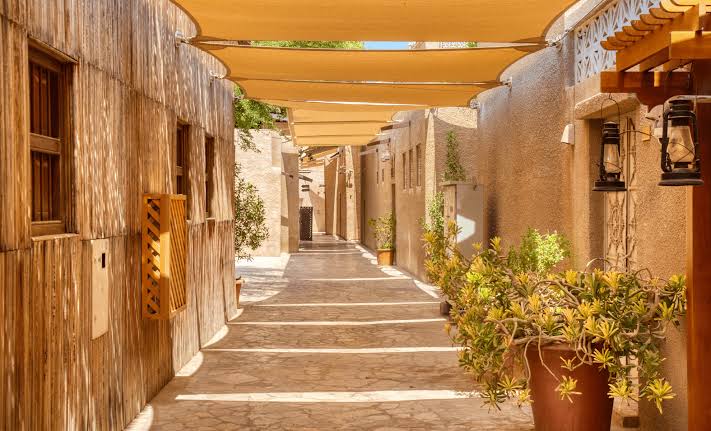
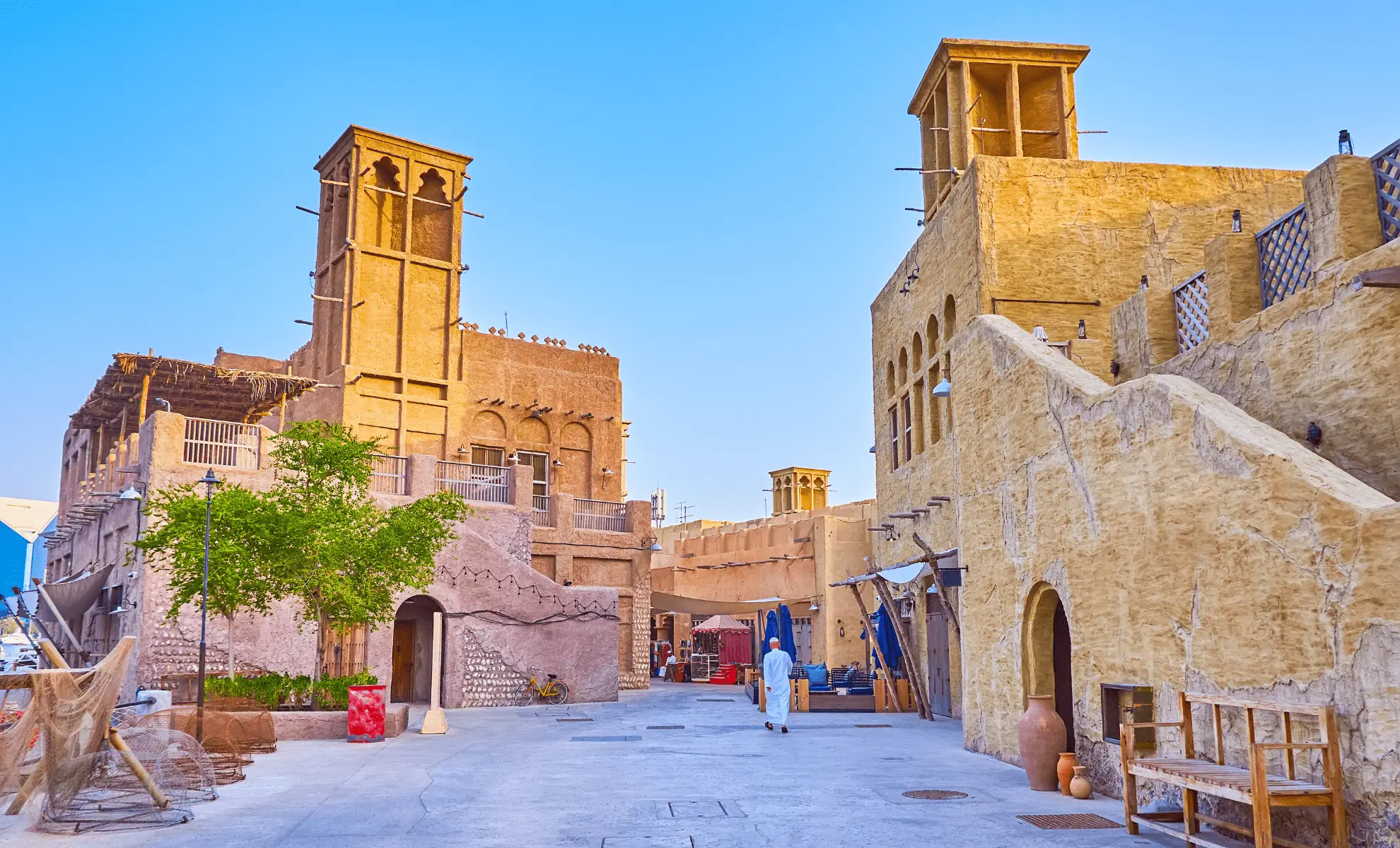
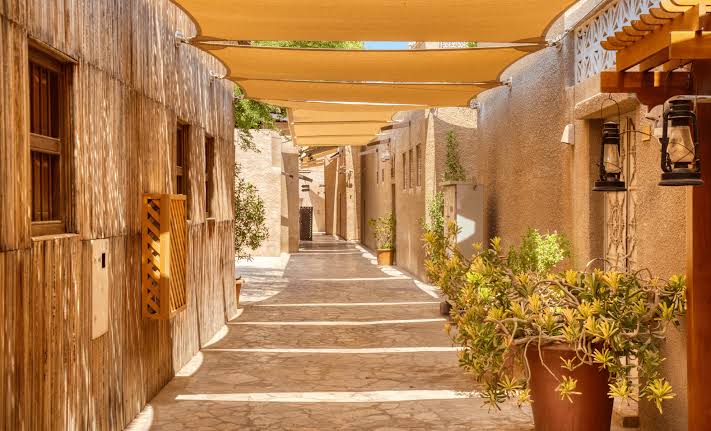
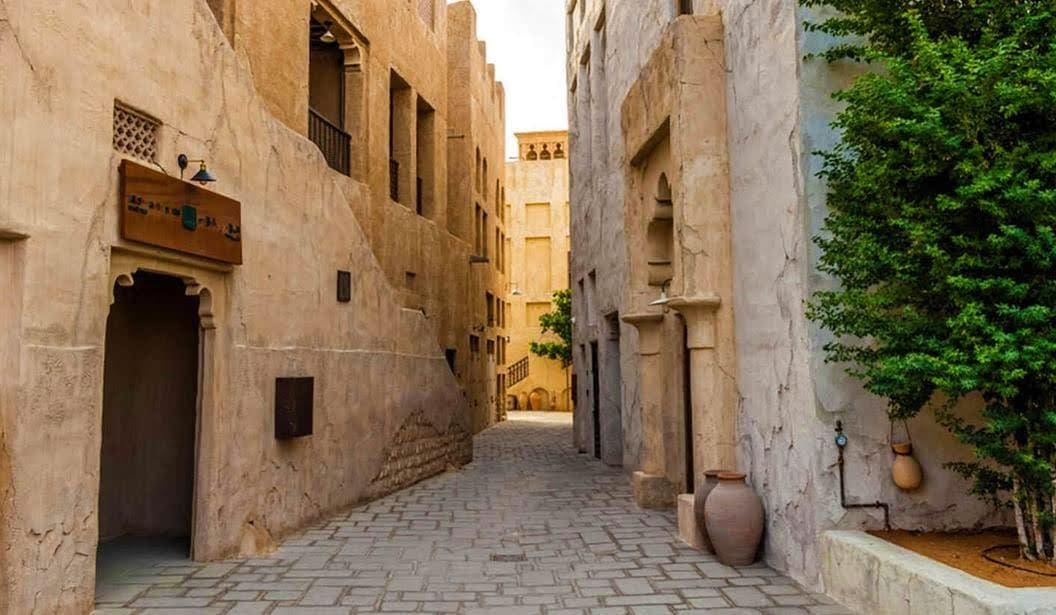
Nowadays, the area looks restored really well, so it keeps its original feel. When you walk through the narrow alleyways, it sort of feels like going back in time, and you notice the wind towers that are beautifully repaired, traditional courtyards, and sand-colored buildings, all of them showing the architectural heritage of the UAE.
And unlike modern Dubai, the Al Fahidi Historical District stays calm and unhurried. Visitors can take in local customs, art, and history while exploring one of the city’s most meaningful cultural landmarks.
Best Things to Do in Al Fahidi Historical District
If you are in Al Fahidi, there are a lot of things to do, and most of them feel calm at the same time. Here is a somewhat short list of the best things to do in Al Fahidi Historical District, just to help you plan your walking route.
Visit the Dubai Museum Area: Even though the Dubai Museum got renovations at different times, the nearby historic zone still feels like one of the city’s most important cultural places.
Explore Art Galleries: You will find a handful of independent art galleries in the district. They often show contemporary Middle Eastern artwork, alongside older-style exhibitions. For art fans, there are plenty of nice little surprises across the neighborhood.
Relax at Traditional Cafés. Try Arabic coffee, have fresh dates, and sample local food at cozy heritage cafés that sit inside restored courtyard homes.
Walk Through Historic Alleys: A top moment for most visitors is just strolling around the quiet lanes. There is beauty everywhere, from architectural details to wooden doors, wind towers, and those “snap it now” photography spots.
Ride an Abra Across Dubai Creek: Not far, visitors can hop on a traditional abra across Dubai Creek. It is usually affordable, and it becomes a real memory, especially because it links Old Dubai with the busy souks.
Best Places to Visit in Al Fahidi Historical District
The district features several cultural attractions that showcase Dubai's fascinating history.
Coffee Museum: Step into the Coffee Museum, and you can learn how coffee came to be from all over the world while also doing traditional brew methods and tasting authentic Arabic coffee. It feels sort of calm and also curious at the same time, really.
XVA Art Gallery: A favorite destination for art enthusiasts, the gallery features rotating exhibitions by regional artists and also includes a boutique hotel and café.
Sheikh Mohammed Centre for Cultural Understanding: This cultural center offers guided tours, traditional meals, and interactive programs where visitors can learn about Emirati customs, religion, and daily life.
Arabian Courtyard Architecture: Even without stepping into each building, the area around it feels like a magnet. The restored wind towers, shaded walkways, and old residences together make it one of those really photogenic spots in Dubai, even if you’re not doing everything inside.
Visitor Guide: Tickets, Opening Hours, Location & Travel Tips
If you plan a bit, you can stretch your time there and get more out of your visit to Al Fahidi Historical District.
Entrance Fee
You can enter the district itself for free. That said, some museums, as well as other cultural experiences, can require separate admission tickets and different entry prices, depending on what you pick.
Opening Hours
The outdoor streets are open all day long, while museums, galleries, and cultural hubs usually run from morning to evening. Make sure to check the exact timing for each attraction before you go, because schedules can shift.
Location
This district sits along Dubai Creek, in Bur Dubai, and it’s not hard to reach by taxi, metro, or even a public bus.
Best Time to Visit
If you want the most enjoyable experience at Al Fahidi Historical District, aim for November through March. That’s when Dubai keeps a more pleasant pace for walking tours, and you won’t feel too much heat.
Also, early mornings and late afternoons tend to bring nicer light for photography, plus you can dodge the midday sun.
Helpful Travel Tips
1-Wear comfy walking shoes.
2- Bring a camera; the architecture is really stunning.
3- Be mindful of local customs when you visit cultural places.
4- Set aside around two or three hours to wander through properly.
5- Try pairing your stop with nearby highlights, like Dubai Creek and the traditional souks.
Why You Should Go to Al Fahidi Historical District
If you want a more unusual, somehow quieter side of Dubai, Al Fahidi Historical District is a must-see stop. While the city skyline, with all those tall skyscrapers, shows where Dubai is heading, this old neighborhood keeps its memories alive, using real architecture, small museums, hands-on cultural experiences, and local hospitality that feels genuinely welcoming.
Whether you’re into history, photography, art, or you just want fresh ideas for things to do in Dubai, going through Al Fahidi Historical District will give you an unforgettable trip back toward the city’s beginnings, and it’s honestly not something you forget quickly.
And the best part is that there’s free access, great transport links, plus plenty of attractions around it, so it’s easy to fit into any Dubai itinerary without overthinking.