Mummification Museum, Luxor: What's Inside and Is It Worth Your Time
-What Is the Mummification Museum in Luxor?
The Mummification Museum opened in 1997 on Luxor's Nile Corniche, just north of Luxor Temple. It's one of the only museums in the world built around a single subject: how ancient Egyptians preserved bodies for the afterlife. Unlike Luxor Museum or the Egyptian Museum in Cairo, which spread their collections across dynasties and themes, this museum stays narrowly focused. Every case, every wall panel, every mummy on display exists to answer one question: what actually happened during embalming, and why did it matter so much to the people who practiced it?
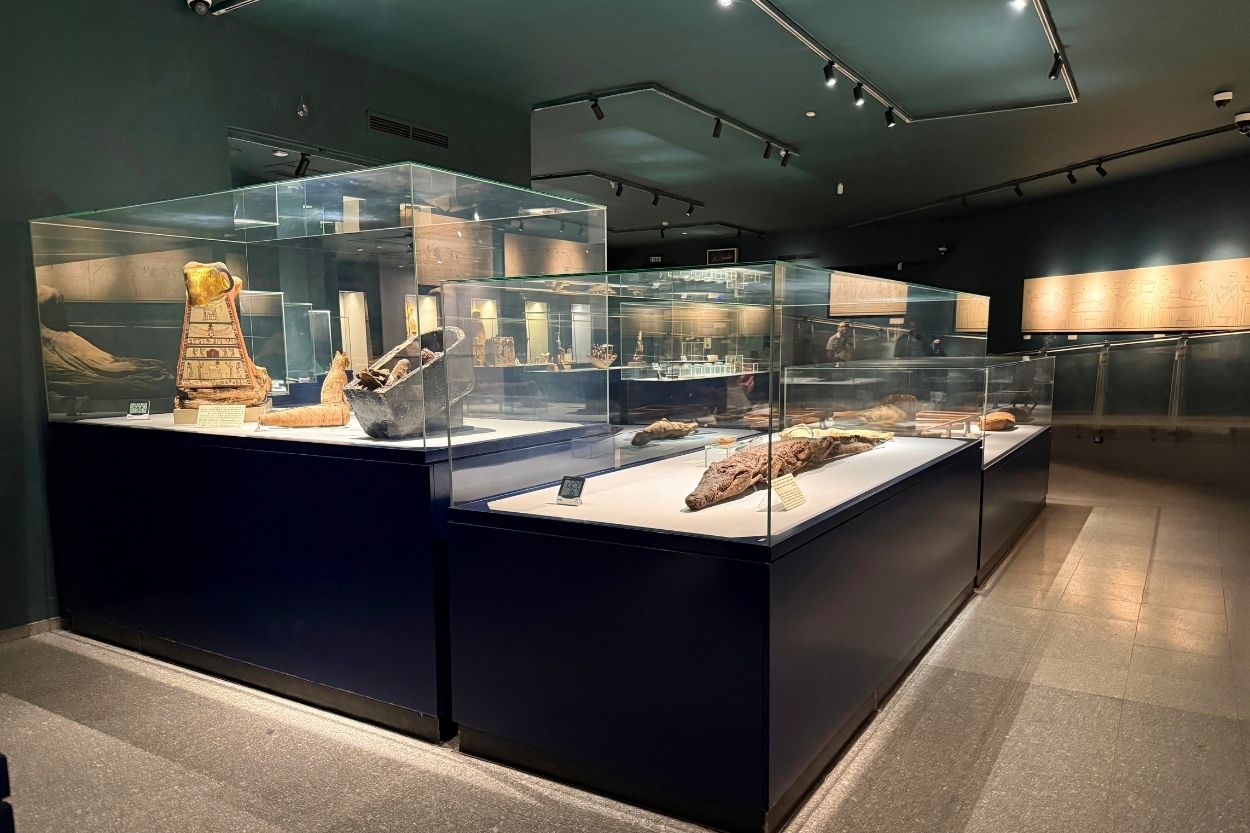
The building sits partly below street level, and the lighting inside is deliberately dim, meant to echo the atmosphere of a tomb. It's small by Luxor standards, but the focus works in its favor. There's no wandering through unrelated galleries to find the mummies. You walk in, and the subject is right there.
-Ancient Egyptian Mummification: The Beliefs Behind the Technique
Mummification tied directly into Egyptian beliefs about what happens after death. The process, refined over centuries, typically took about 70 days. Embalmers removed the internal organs, except the heart, which was left in place because Egyptians believed it held a person's intelligence and emotion. They then dried the body using natron, a naturally occurring salt that drew out moisture and prevented decay.
The god Anubis, shown with the head of a jackal, oversaw this process in Egyptian mythology, guiding the dead through embalming and into the afterlife. Osiris, ruler of the underworld, represented the resurrection every mummified body was meant to achieve. The religious belief and the physical technique functioned as one act, not two separate things layered together. Preserving the body correctly was what made eternal life possible, at least in the Egyptian worldview. The museum's exhibits walk through this sequence step by step, pairing the physical tools with the mythology that gave them meaning.
-What You'll See Inside
Canopic Jars and Embalming Tools
The museum displays an unusually complete set of embalming instruments: bronze hooks used to remove organs, knives for the initial incision, and spoons for packing the body cavity with natron and linen. Alongside these sit canopic jars, the containers used to store the liver, lungs, stomach, and intestines separately from the body. Each jar's lid traditionally represented one of the four sons of Horus, and each organ was believed to need its own divine protector during the journey to the afterlife. Seeing these tools in person, rather than reading about them, makes the physical reality of the process much harder to abstract away.
Human and Animal Mummies
The collection includes several human mummies, among them a well-preserved high priest of Amun, alongside animal mummies that reveal a different side of Egyptian religion. Cats, associated with the goddess Bastet, crocodiles linked to Sobek, and even fish and birds were mummified as offerings or as sacred animals in their own right. The animal mummies tend to surprise first-time visitors. Most people arrive expecting only human remains and don't realize how central animal worship was to daily Egyptian religious life.
Coffins and Funerary Objects
Painted coffins, funerary masks, and protective amulets round out the collection. Many of these objects were placed with the body specifically to ward off harm during the journey through the underworld. The artistry on display, including detailed hieroglyphic inscriptions and symbolic imagery of gods and protective spells, shows how much skill and resources went into a single burial. These weren't mass-produced items; each one reflects real religious conviction about what the dead would need.
-Location, Hours & Tickets
The museum sits on Corniche El Nil on Luxor's East Bank, a five- to seven-minute walk north from Luxor Temple along the river. According to Egypt's Ministry of Tourism and Antiquities, it's open daily from 9:00 AM to 2:00 PM, with the ticket window closing at 1:00 PM, and again from 5:00 PM to 9:00 PM, with the ticket window closing at 8:00 PM. As of 2026, foreign adult tickets run around EGP 220, with reduced pricing for students. Children under 6, along with a few specific visitor categories, enter free.
One detail worth flagging before you go: some recent visitor reports note that guides aren't permitted to accompany groups inside the exhibit halls, so you may need to explore independently even if you've booked a guided package. It's worth confirming this with your tour operator, since museum rules can shift. Ticket prices and hours are also worth double-checking directly with the museum or your operator close to your travel date, since Egyptian museum pricing has changed more than once in recent years.
-Is It Worth the Visit?
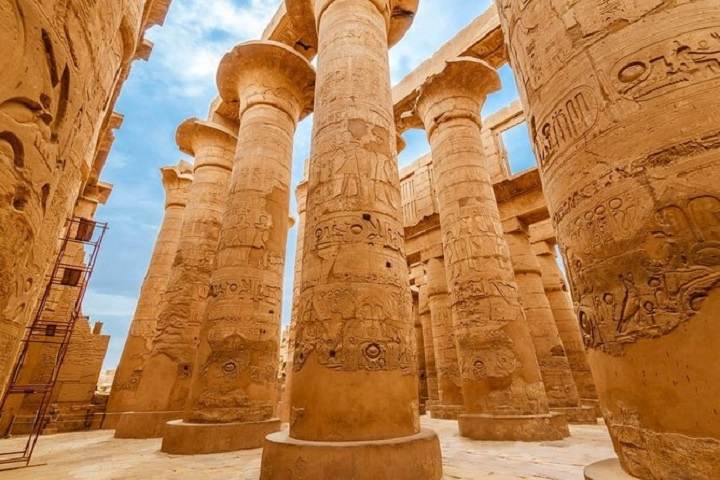
Yes, for the right traveler. Anyone who's spent a morning at Karnak or Luxor Temple marveling at scale, the columns, the statues, the sheer size of it all, will find something different here: a close, almost intimate look at the human side of ancient Egyptian belief. Most visitors move through it in 45 minutes to an hour.
That's also its main limitation. If you're hoping for a sprawling collection or hours of material, look elsewhere. If you want to understand why Egyptians built the tombs and temples the way they did, the belief system underneath the architecture, this museum fills that gap better than almost anywhere else in Luxor. It rewards visitors who are genuinely curious about the "why," not just the "wow."
-Planning Your Visit
The museum works best paired with other East Bank sites rather than as a standalone destination. Visiting in the morning, ideally between 9:00 and 11:30 AM, means cooler temperatures and smaller crowds. Because it sits so close to Luxor Temple, many visitors combine the two in a single outing. Walk the temple first, then head north along the Corniche to the museum afterward, or reverse the order if you'd rather start with something quieter before the temple's crowds build up later in the day.
If you're staying in Luxor for more than a day, it's also worth combining this visit with Luxor Museum, about ten minutes further south along the Corniche. The two collections complement each other well: one shows the broader sweep of Luxor's history, the other zooms in on a single, defining ritual.