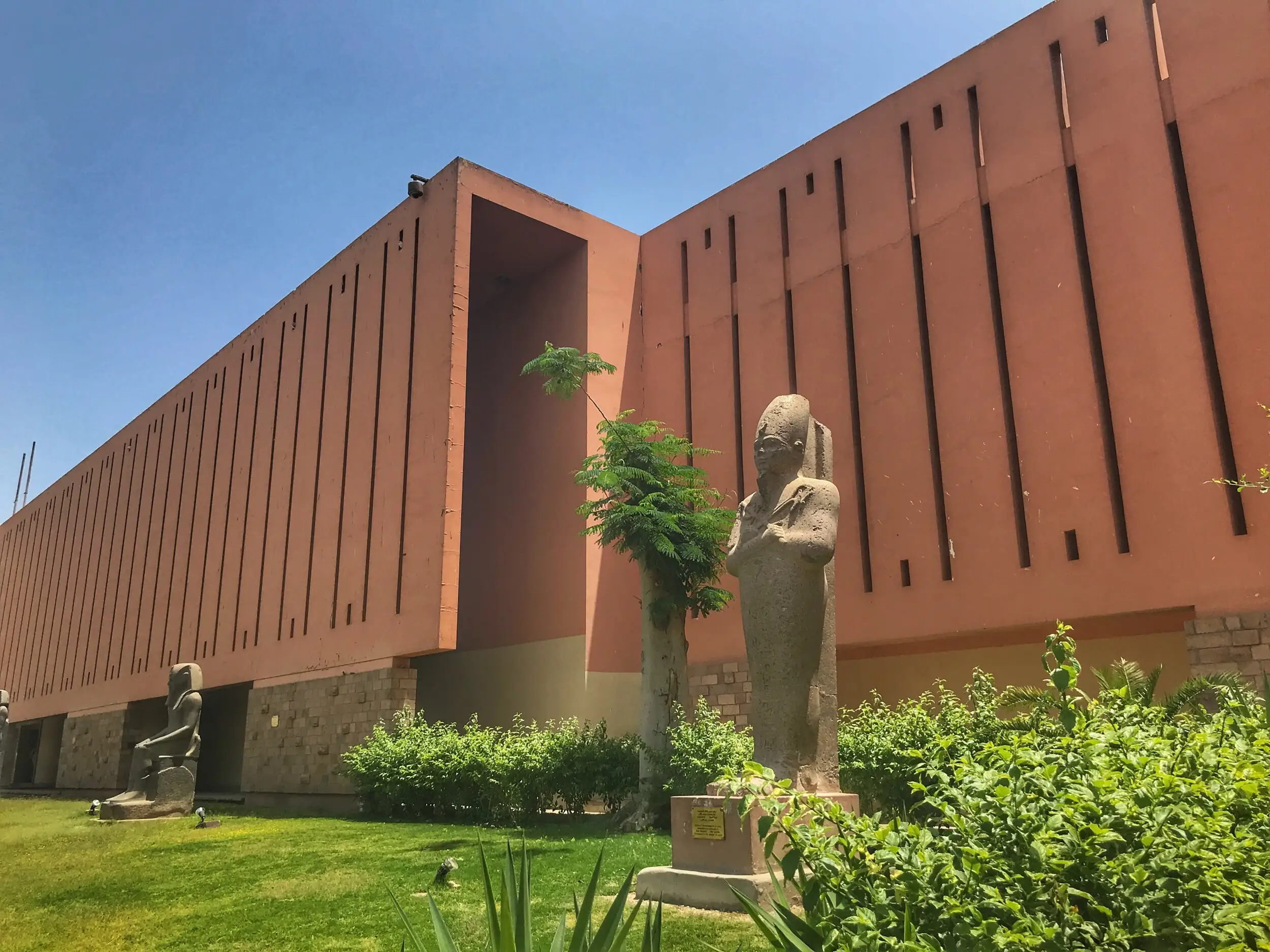
Luxor Museum: A Complete Visitor Guide to Egypt's Best-Curated Collection
-Where Luxor Museum Is and How to Get There
Cross to Luxor's East Bank and head for the Corniche; the museum sits on that riverside road, with Luxor Temple a short walk to one side and Karnak further up toward the other. From Luxor Temple, it's about a 20-minute walk along the river, flat, shaded in parts, and easy to combine with either site on the same day. From Karnak, most visitors take a taxi or a ride-hailing app, since the distance is a bit further and the midday sun makes the walk less appealing
There's no dedicated parking lot, so if you're driving or being driven, the driver will usually drop you at the entrance and either wait or arrange a pickup time. Bicycles are a common way locals and independent travelers get around this stretch of the Corniche, and the museum entrance is easy to spot from the road.
One detail worth knowing before you go is that Luxor Museum is not usually included in standard bus tours. Unlike popular attractions such as Karnak Temple or the Valley of the Kings, the museum is often outside the main coach-tour circuit. This is one reason why it tends to be quieter and less crowded.
If you are joining a group tour for the rest of your Luxor sightseeing, it is a good idea to check with your tour operator in advance. You may need to arrange a separate taxi to visit Luxor Museum.
For anyone staying on the East Bank, the museum works well as a first or last stop of the day, bookending naturally with a walk to Luxor Temple or an evening visit to Karnak once the heat has dropped and the temple is lit.
-What's Inside: Highlights You Shouldn't Miss
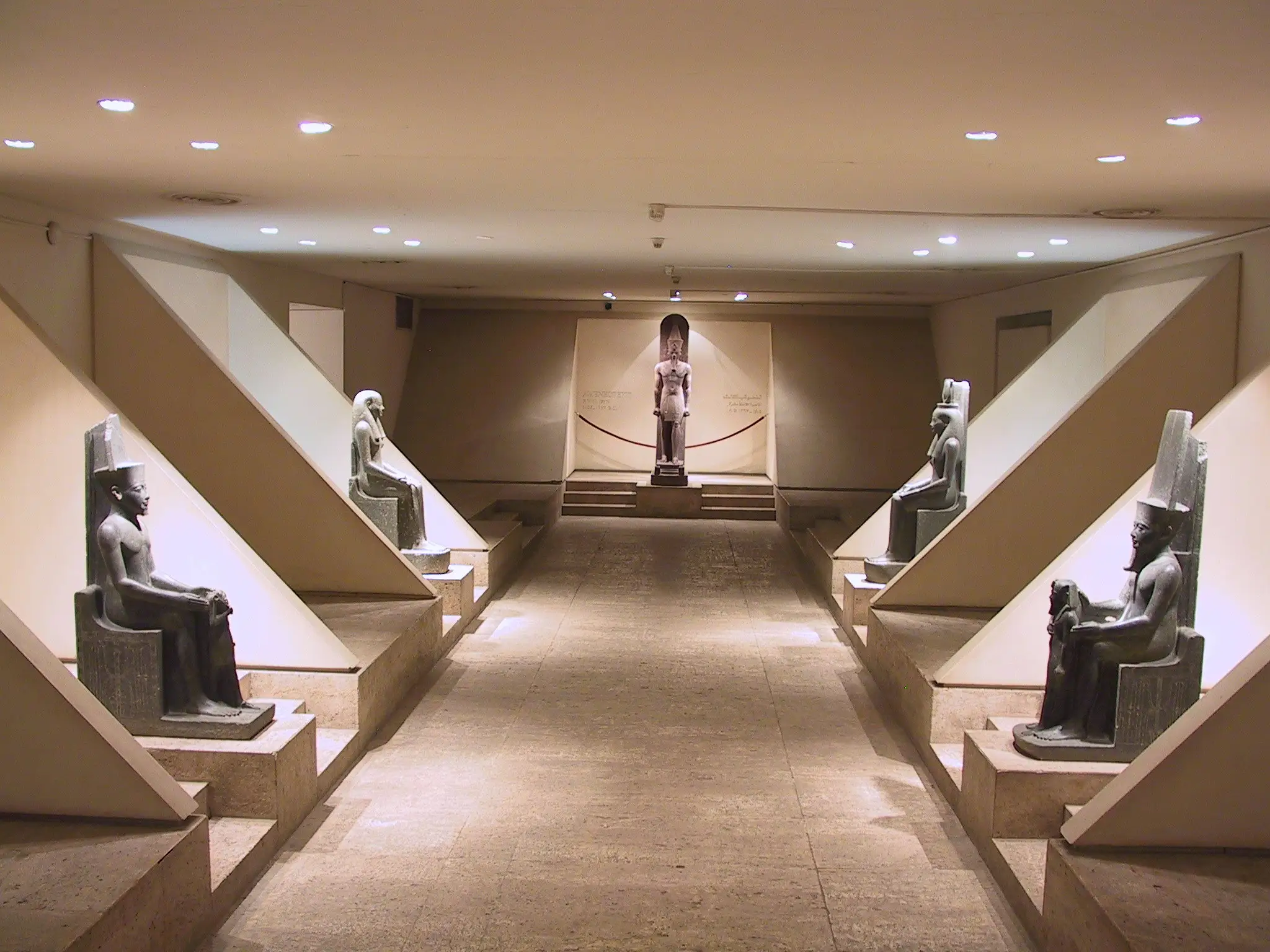
Luxor Museum's collection is small by design. Step in from Luxor's glare, and the galleries go dim and quiet fast,it takes a minute for your eyes to adjustfast; itnce they do, the spacing between pieces is what stands out. Nothing crowds the next statue.
The Cache Hall holds the museum's centerpiece pieces: statues buried by ancient priests near Luxor Temple, unearthed in 1989, and now displayed close enough to make out tool marks in the stone. A granite head of Amenhotep III and a calcite group showing the same king alongside the crocodile god Sobek are the two most photographed pieces in the room.
The Akhenaten wall is a reconstruction built from talatat blocks, the small, standardized stones used during Akhenaten's building projects, later dismantled and reused as filler in other temples. Egyptologists pieced the wall back together from scattered blocks, and it's one of the few places in Egypt where you can see Amarna-period art at this scale.
The mummy hall, added in 2004, displays two royal mummies: Ahmose I and a mummy identified as Ramesses I, though his identity has been debated by researchers and isn't universally confirmed. It's a smaller, quieter room than the Cairo museum's mummy halls, with none of the same crowds.
Rounding out the collection are pieces connected to Tutankhamun's tomb, not the famous gold mask, which stays in Cairo, but smaller funerary objects that rarely get mentioned outside specialist literature. Luxor tours can also make it easier to include the museum alongside other major historical sites in the city.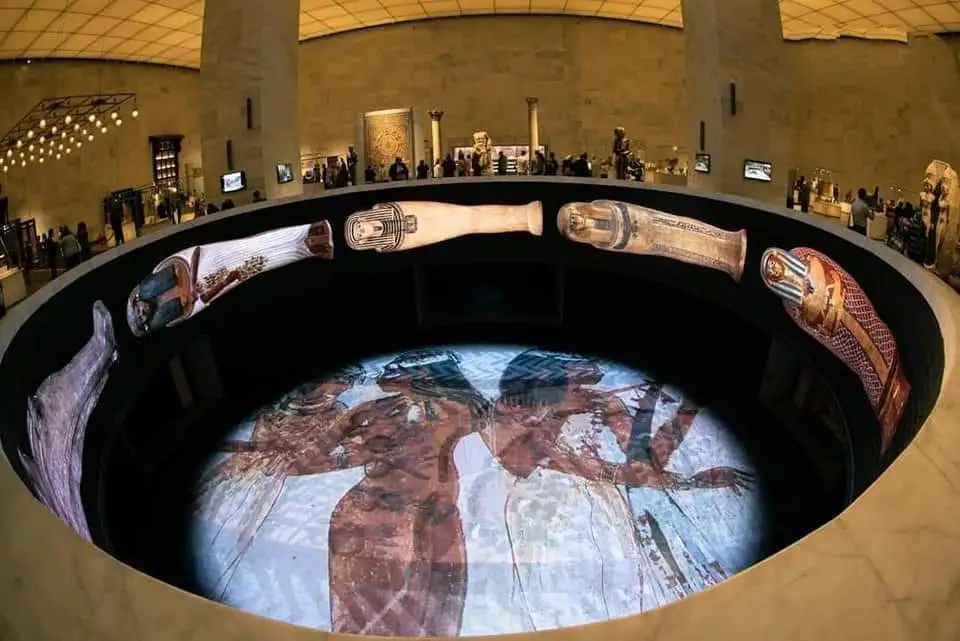
-How Long to Spend at Luxor Museum
Plan for 60 to 90 minutes. That covers the Cache Hall, the Akhenaten wall, and the mummy hall at a comfortable pace, with time to read the labels instead of skimming past them. If you're short on time and want to hit only the pieces mentioned above, 45 minutes is enough. Readers who stop at every label and linger over favorite pieces should budget closer to two hours; even then, the museum's small footprint keeps a slow visit from eating up half the day. Being this compact is what makes it easy to squeeze into a full day of sightseeing.
Compared to a full morning at Karnak or a day split between the Valley of the Kings and Hatshepsut's temple, an hour at the Luxor Museum fits befor lunch or in the early evening once the day's heat has broken
-Tickets, Hours, and Practical Tips
Luxor Museum typically runs two sessions a day, a morning slot starting around 9:00 AM and an evening slot from roughly 5:00 PM, with last entry times shifting a bit by season and during Ramadan. Ticket prices for foreign visitors have varied across recent sources, so confirm the current price at the ministry's official ticketing page or with your hotel before visiting, don't rely on any single number you find online, including this one. Discounted rates apply for students with valid ID, and a short list of categories (children under 6 and some Egyptian citizens) enter free.
Photography is generally allowed without flash, though a handful of specific pieces are marked off-limits, so it's worth watching for signage near individual displays rather than assuming a blanket rule. The whole museum is air-conditioned, which turns it into a genuinely welcome stop on a hot afternoon squeezed between outdoor sites.
Accessibility is reasonable; ramps and elevators mean wheelchair users and anyone who struggles with stairs shouldn't have much trouble getting around. Guided tours aren't required either; labels are in English and fairly detailed. That said, a licensed Egyptologist guide fills in the context the wall text skips, especially around the Akhenaten wall and the debate over the mummy identifications. There's a small gift shop and restrooms near the entrance too, worth knowing if you're stopping here between longer stretches outdoors.
-Luxor Museum vs. Other Luxor Sites
Compared to the Egyptian Museum in Cairo, the Luxor Museum is a fraction of the size, with a few hundred pieces instead of tens of thousands, and has none of the queues or crowd-blur that come with a bigger collection. Cairo's museum, and the newer Grand Egyptian Museum, make sense if you want the full sweep of Egyptian history in one place. Luxor Museum makes sense if you want a manageable, well-labeled introduction to exactly the sites you're about to visit on the ground.
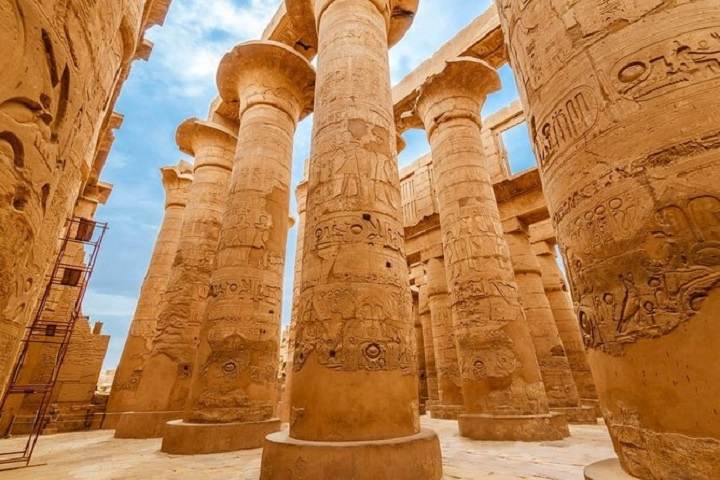
That's really the answer to whether it's worth visiting: not as a standalone highlight, but as preparation. Spend an hour here before Karnak, and the temple's reliefs stop being decorative carvings; you start recognizing which king built what and why certain scenes repeat across different walls.
For visitors who'd rather not piece together a route between the museum, Luxor Temple, and Karnak on their own, Aten Tours' Luxor Attractions private tour covers all three East Bank sites in one day, with an Egyptologist guide who connects what you saw in the museum to what you're standing in front of at the temples.