Dendera Temple complex
Dendera Temple Complex History Egypt Facts and Overview
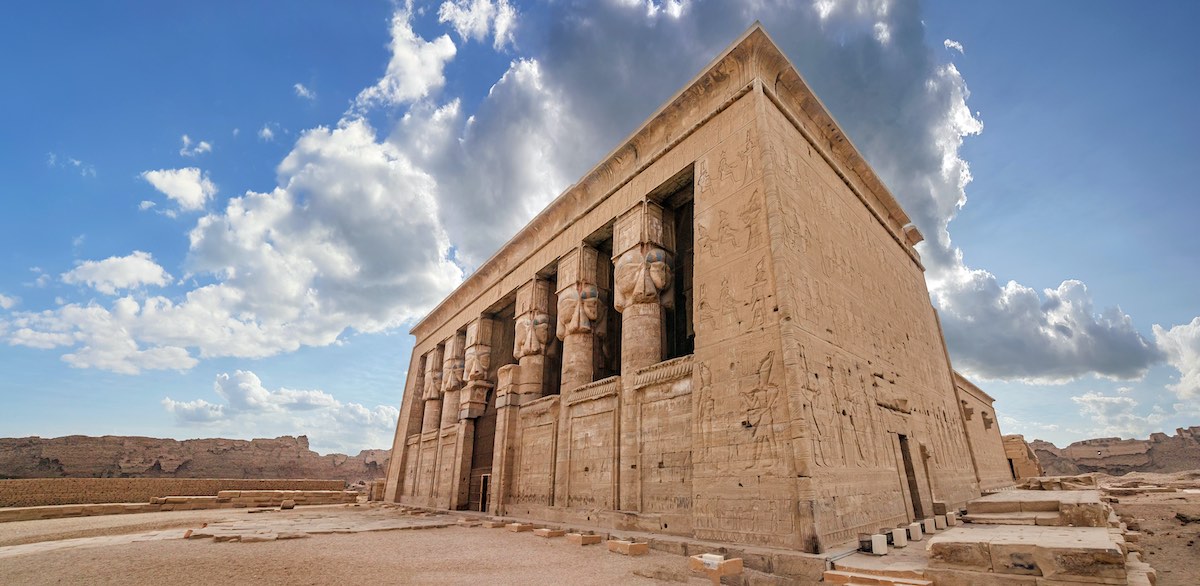
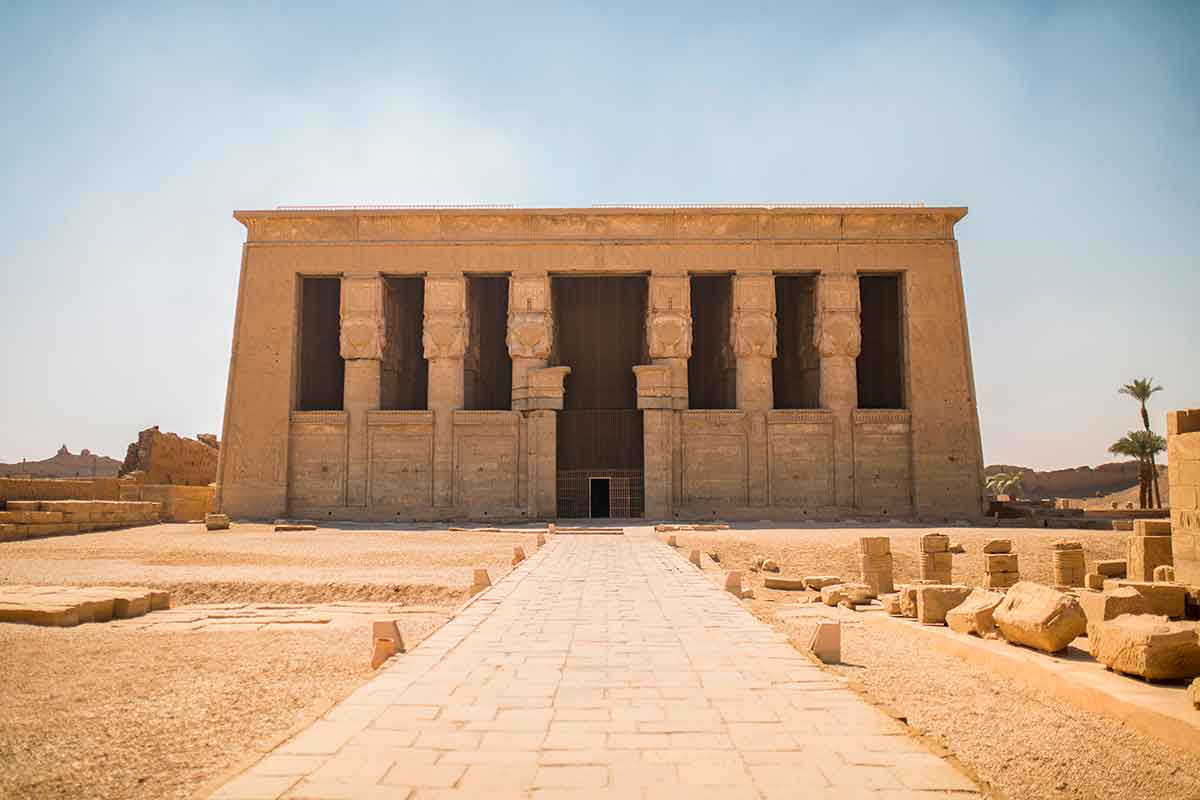
The Dendera Temple Complex is dedicated mostly to Hathor, the ancient Egyptian goddess of love, beauty, music, and motherhood. So it’s not surprising it gets called the Dendera Temple of Hathor pretty often.
The Dendera Temple Complex is, like, one of the most well-preserved ancient temple places in Egypt, and it’s basically a must-stop on any Luxor day trips or even a wider Egypt tours.
Now, the building you see today is mainly from the Greco-Roman period, but the location itself feels older, because many people think earlier temples were here long before, like thousands of years before what we now call the complex was put together.
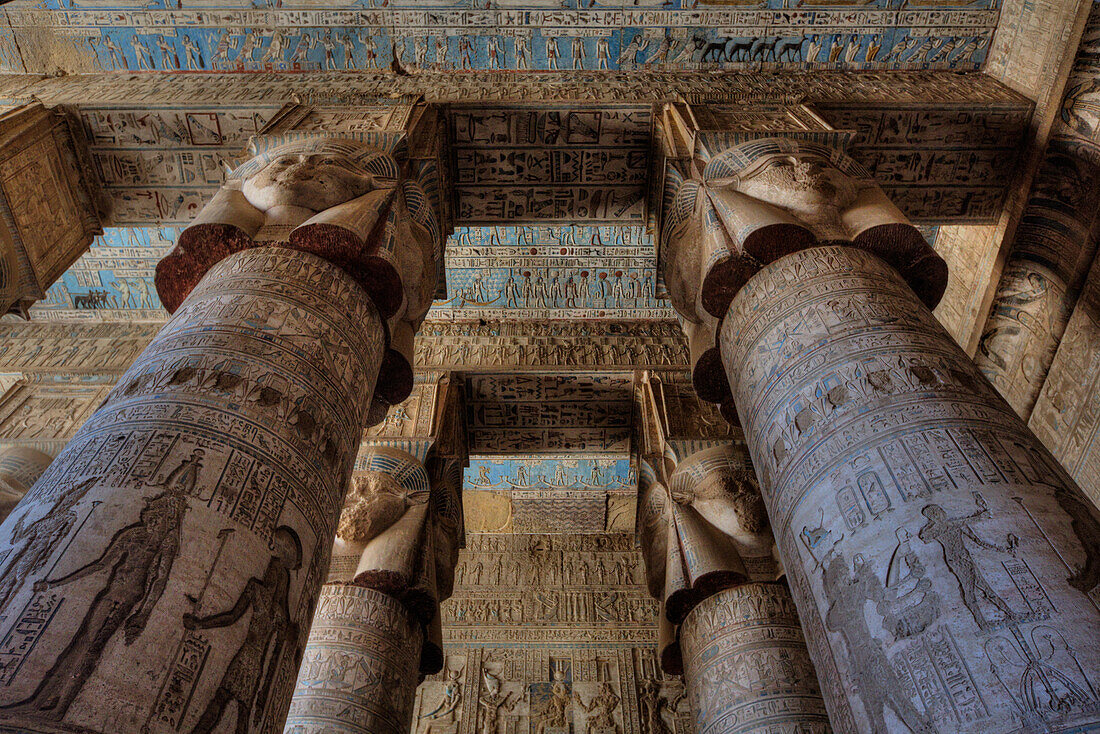
One of the most striking parts is the condition it’s in. Honestly, compared with a lot of other places in Egypt, Dendera keeps a lot of detail, carved scenes, colorful ceilings, and whole chambers that help you imagine what these sacred halls looked like back then.
And then there’s that well-known zodiac ceiling inside, which is probably the feature people mention first. It suggests deep astronomical knowledge, and it becomes a kind of headline moment for most visitors every time.
So if you’re traveling for ancient history, the Visit Dendera Temple Complex experience is like walking backward into time, into one of the most complete religious structures found in Egypt.
How to Get to the Dendera Temple Complex from Luxor
To reach the Dendera Temple Complex from Luxor, you’re looking at about 60 km north of Luxor, so it becomes kind of a go-to place for a short day trip.
Most people usually go for either a guided Egypt day tour or hire a private car with a driver. The ride is generally around 1.5 hours, but of course it can stretch a bit depending on the traffic and how smooth the road feels that day.
A lot of travelers choose to book a Dendera Temple tour from Luxor because it covers the transport, includes a professional guide, and, in some cases, it also ties in extra stops like Abydos Temple.
If you’d rather move on your own, there are taxis and private transfers too, though guided tours are still better suited if you want to really grasp the historical and religious meaning behind the temple.
Most tours start very early in the morning, so you can make it back to Luxor by the afternoon. That’s why it slots in so naturally with a full Luxor day tour plan.
Dendera Temple Complex Tickets Price, Opening Hours
Planning a visit to the Dendera Temple Complex is one of those things where you really should double-check the newest info about tickets, costs, and opening hours, so the day runs smoothly and it feels more, organised than rushed.
Dendera Temple Complex Opening Hours
The Dendera Temple Complex is usually open every day from early morning until late afternoon. Still, the Dendera Temple opening hours can shift a bit depending on the season or around Egyptian holidays too, so don’t be surprised. If you want the best vibes, most travelers doing an Egypt day tour or a Dendera Temple day trip tend to go early, like right when it starts, to dodge both heat and crowded paths.
Dendera Temple Complex Ticket Price
The Dendera Temple Complex ticket price is generally pretty reasonable, especially when you compare it with other famous archaeological sites across Egypt. Because of that, it becomes a common highlight inside many Egypt tours and also cultural itineraries.You can usually get the tickets right at the entrance gate of the temple, with no complicated steps.
Extra Fees and Services
Sometimes extra charges can come up for things like:
- Photography equipment, or professional cameras
- Local guide services inside the site
These options are not mandatory, but they are useful if you want a deeper grasp of the temple’s story and older symbolism, step by step.
Travel Tips for Visitors
1. Bring some cash just in case for the ticket purchase
2. Go earlier for a more comfortable experience
3. Keep the ticket with you during the whole visit
4. Pair the stop with a Dendera Temple tour from Luxor, and it makes transport easier
Overall, the Dendera Temple Complex feels like a smooth, affordable choice for just about any Luxor excursions or Egypt day tour, with simple ticket access and visiting times that are flexible enough for most travellers.
Things to See and Do in Dendera Temple Complex
The Dendera Temple Complex is basically one of the most impressive and still well-preserved ancient locations in Egypt; it gives visitors a pretty broad blend of history, art, and construction style, all in one place.
Temple of Hathor
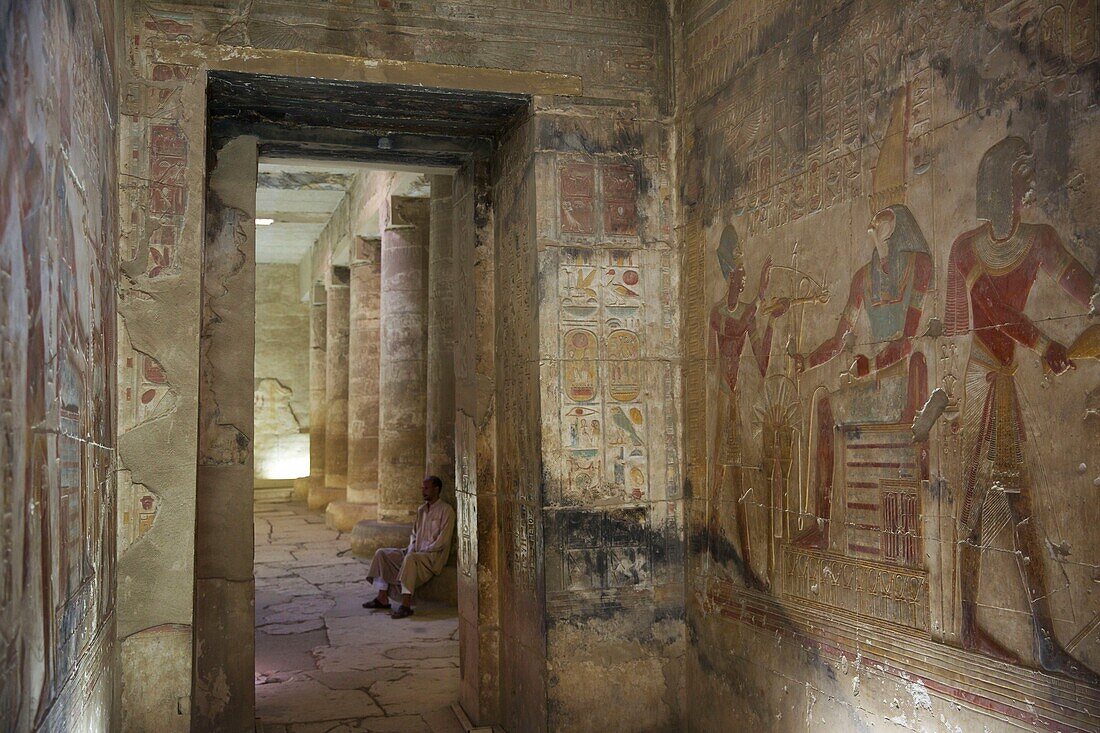
Most people come for the Temple of Hathor, which was dedicated to the goddess of love, beauty, and music. Inside, you can see massive stone columns, walls that are beautifully embellished, and carvings that show off ancient ceremonies plus mythological moments. And honestly, it feels like you’re walking through layered time.
Hypostyle Hall
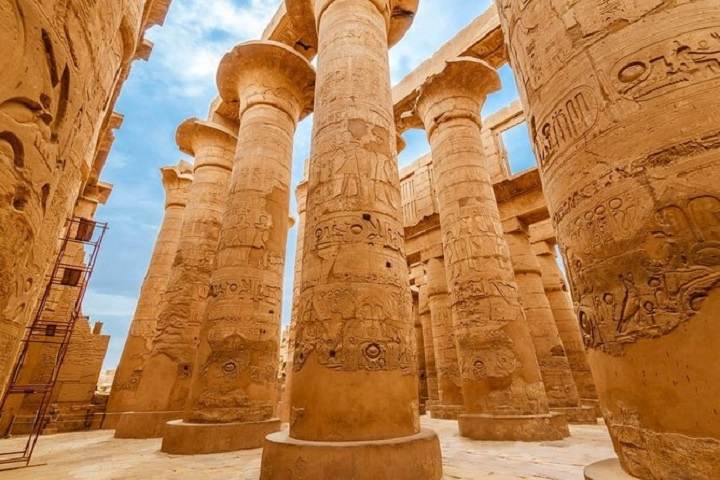
One area that keeps surprising people is the hypostyle hall. It’s packed with towering columns, each one covered in busy relief work. The ceiling here is what a lot of visitors talk about, because it shows astronomical layouts, like the ancient Egyptians really understood the sky quite well.
Zodiac Ceiling
Another big draw is the zodiac relief, sometimes called one of the most famous astronomical designs in the whole region. This isn’t just decoration; it’s a detailed sky “map”, and it has pulled in historians, archaeologists, and wanderers from all corners of the world. It still stays among the most recognizable things at the temple.
Smaller Temples and Sacred Areas
Past the main temple, the complex keeps going with smaller chapels, sacred lakes, and surrounding ruins.Those places add extra meaning, and they help you grasp the religious importance of this sacred ground back then, in a more everyday way, not just as a single monument.
Atmosphere and Experience
A lot of travelers who do a Dendera Temple day trip mention that it feels calm and a bit calmer, less packed than some other famous Egyptian landmarks. So it’s easier to take it in slowly and get a more relaxed, immersive historical vibe.
Photography Highlights
If you like taking photos, Dendera Temple Complex is a real win. The fine carving patterns, the colorful ceiling zones, and the natural light that slips into the halls create pretty ideal conditions for those sharp, stunning images, even if you only have a phone.