Nature Reserves In Egypt


Nature Reserves in Egypt: Discover the Country's Most Spectacular Protected Landscapes
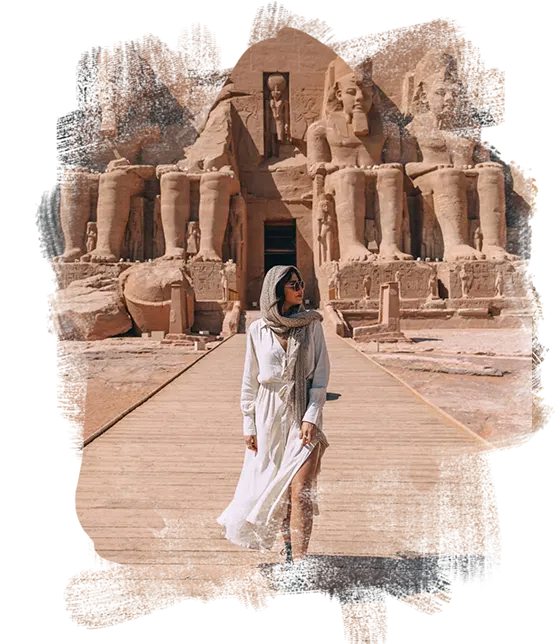
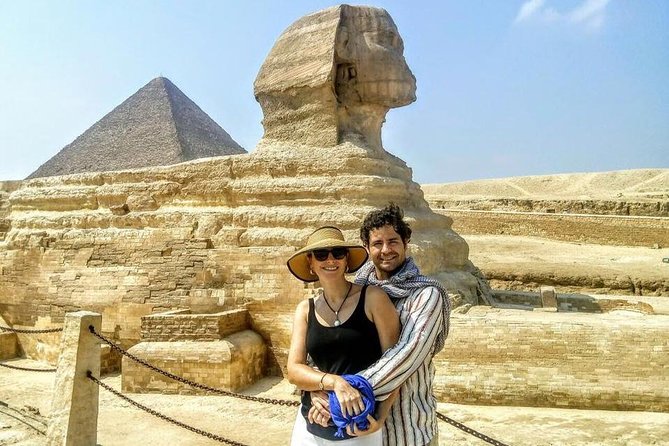
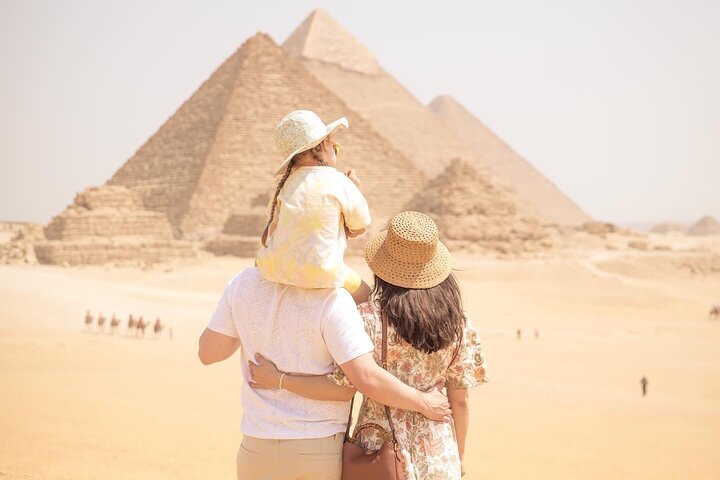
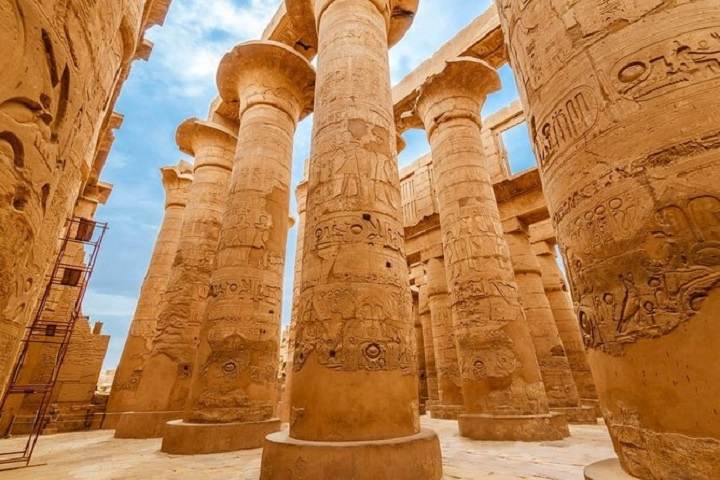
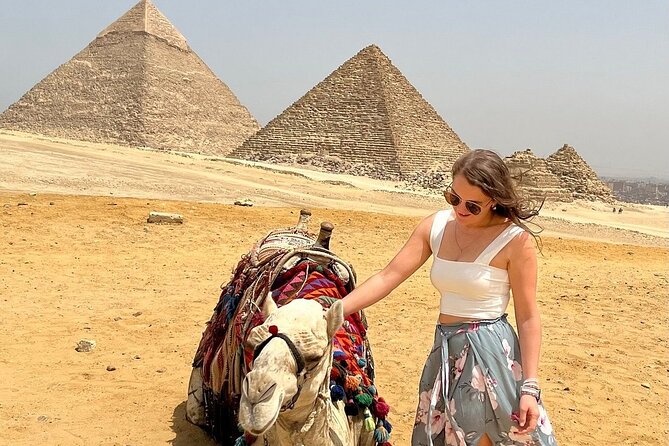
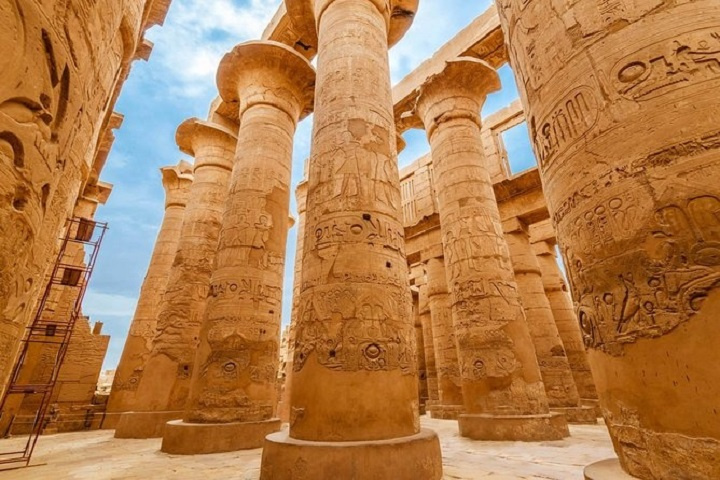
When most travelers think of Egypt, iconic landmarks like the Pyramids of Giza, the Nile River, and the temples of Luxor often come to mind. Yet beyond its ancient monuments lies another side of the country waiting to be explored. From vibrant coral reefs and towering mountains to vast deserts and lush wetlands, nature reserves in Egypt showcase an incredible variety of landscapes that are just as remarkable as its archaeological treasures.
Egypt is home to more than 30 protected areas covering nearly 15% of the country's land. These reserves preserve fragile ecosystems, protect endangered wildlife, and offer visitors the chance to experience Egypt's natural beauty through hiking, diving, birdwatching, camping, and desert adventures. Whether you're searching for crystal-clear waters along the Red Sea or dramatic desert scenery in the Western Desert, Egypt's national parks and protected areas promise unforgettable experiences for every type of traveler.
Why Egypt's Nature Reserves Are So Unique
Egypt's geography is unlike that of almost any other destination. The country is bordered by the Mediterranean Sea to the north and the Red Sea to the east, while the vast Western Desert, Eastern Desert, and Sinai Peninsula create a diverse range of ecosystems. This variety has given rise to an impressive collection of protected areas, each with its own landscapes, wildlife, and natural attractions.
Some reserves are known for their rich marine life and colorful coral reefs, while others feature dramatic mountain ranges, freshwater lakes, mangrove forests, or striking limestone formations. Together, they highlight Egypt's growing commitment to protecting its natural heritage while promoting sustainable tourism.
Ras Mohammed National Park
Located at the southern tip of the Sinai Peninsula, Ras Mohammed National Park is one of the most famous nature reserves in Egypt. Renowned for its crystal-clear waters and thriving coral reefs, it is considered one of the world's top diving and snorkeling destinations.
The park is home to hundreds of species of coral, colorful reef fish, sea turtles, dolphins, and other marine life. Popular activities include snorkeling, scuba diving, glass-bottom boat excursions, and exploring the park's scenic beaches and mangrove forests. Even visitors who stay above the water can enjoy breathtaking coastal views where the Gulf of Aqaba meets the Gulf of Suez.
White Desert National Park
Unlike any other landscape in Egypt, the White Desert National Park offers an otherworldly experience. Located in the Western Desert near Farafra Oasis, this protected area is famous for its chalk-white rock formations sculpted by wind over thousands of years.
Visitors often compare the landscape to a natural open-air art gallery, where giant mushroom-shaped rocks, towering limestone pillars, and surreal formations create spectacular scenery. Camping beneath the stars, watching the sunset over the white landscape, and taking guided desert safaris are among the park's most memorable experiences.
The White Desert is also one of the best places in Egypt for stargazing thanks to its remote location and exceptionally clear night skies.
Wadi El Gemal National Park
Stretching from the Eastern Desert to the Red Sea coast, Wadi El Gemal National Park combines marine and desert ecosystems within a single protected area. Its name, meaning "Valley of the Camels," reflects its long history as an important trade route linking the Nile Valley with the Red Sea.
Today, the reserve attracts visitors with its pristine beaches, coral reefs, mangrove forests, granite mountains, and desert valleys. Wildlife enthusiasts may spot gazelles, Nubian ibex, dolphins, dugongs, and numerous migratory birds, making it one of the country's richest biodiversity hotspots.
Saint Catherine Protectorate
Nestled in the mountains of South Sinai, the Saint Catherine Protectorate is celebrated for both its natural beauty and cultural significance. The reserve surrounds Egypt's highest mountain peaks, including Mount Catherine and Mount Sinai, where visitors enjoy scenic hiking trails, dramatic mountain landscapes, and breathtaking sunrise views.
Beyond its geological wonders, the area is home to rare plants, desert wildlife, and traditional Bedouin communities that have lived in the region for generations. The combination of history, spirituality, and nature makes Saint Catherine one of Egypt's most distinctive protected areas.
Wadi El Rayan Protected Area
Located in the Fayoum Oasis, Wadi El Rayan Protected Area is best known for its beautiful waterfalls, peaceful lakes, and rolling sand dunes. It offers a refreshing contrast to Egypt's desert landscapes and has become a popular destination for families, photographers, and outdoor enthusiasts.
The reserve supports a variety of bird species, making it an excellent destination for birdwatching, particularly during migration seasons. Visitors can also enjoy boating, sandboarding, picnics, and desert safaris while exploring one of Egypt's most scenic natural attractions.
Nabq Protected Area
Situated between Sharm El Sheikh and Dahab, Nabq Protected Area protects one of the largest mangrove forests along the Gulf of Aqaba. The reserve features a fascinating mix of coastal habitats, coral reefs, desert plains, and sand dunes.
Its rich biodiversity includes migratory birds, reptiles, marine species, and rare desert plants. Nabq is an excellent destination for eco-tourism, offering opportunities for hiking, snorkeling, wildlife photography, and peaceful nature walks away from the crowds.
Wildlife and Biodiversity in Egypt
Egypt's protected areas provide safe habitats for an extraordinary variety of wildlife. The Red Sea is home to dolphins, sea turtles, dugongs, rays, and hundreds of species of tropical fish that thrive among colorful coral reefs.
Inland, visitors may encounter gazelles, foxes, Nubian ibex, desert reptiles, and numerous migratory birds that travel between Europe, Africa, and Asia. Many reserves also protect rare plant species that have adapted to Egypt's challenging desert environment, highlighting the country's remarkable ecological diversity.
Best Time to Visit Nature Reserves in Egypt
The best time to explore Egypt's nature reserves is between October and April, when temperatures are cooler and more comfortable for outdoor activities. These months are ideal for hiking, wildlife watching, desert camping, and sightseeing.
Marine activities such as snorkeling and diving are enjoyable throughout much of the year, particularly along the Red Sea, where warm waters and excellent visibility attract divers from around the world.
Travel Tips for Visiting Egypt's Protected Areas
Before visiting any nature reserve, check opening hours and weather conditions, especially if you plan to hike or camp. Wear comfortable clothing and sturdy footwear, carry plenty of drinking water, sunscreen, and a hat, and always stay on marked trails to help protect fragile ecosystems.
If you're visiting marine reserves, avoid touching coral reefs or disturbing wildlife. Respecting conservation rules helps preserve these unique environments for future generations while ensuring a safe and enjoyable experience.
Explore Egypt Beyond Its Ancient Monuments
Egypt's natural landscapes are every bit as impressive as its ancient wonders. From the spectacular coral reefs of Ras Mohammed National Park to the striking limestone formations of the White Desert, the country's protected areas reveal a side of Egypt that many travelers never expect to discover.
Whether you're planning an adventure-filled holiday, a wildlife photography trip, or simply looking to experience the country's diverse landscapes, the nature reserves in Egypt offer unforgettable opportunities to connect with its extraordinary environment. Adding one or more of these protected areas to your Egypt itinerary is the perfect way to experience the country's rich natural heritage alongside its world-famous history.