Names and Titles of Pharaohs in Ancient Egypt: What They Really Mean
What Is a Pharaoh? Understanding the Five Royal Names of Ancient Egypt
When people think of Ancient Egypt, they often picture the Great Pyramids, magnificent temples, and powerful rulers. But what exactly was a pharaoh, and why did each ruler have five different names?
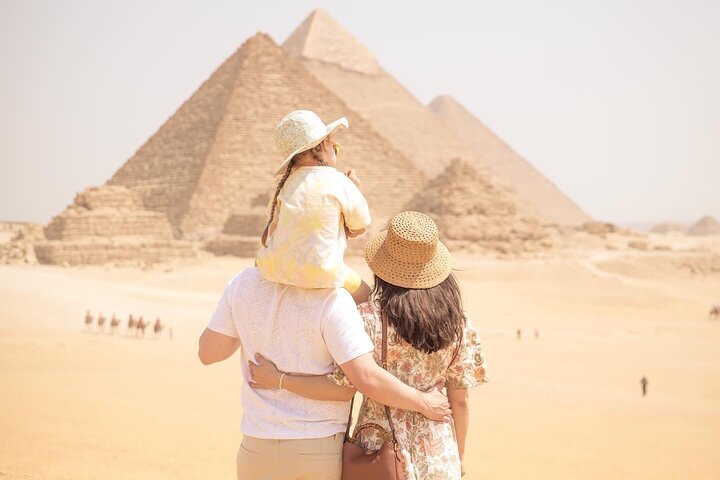
The answer reveals a fascinating part of Ancient Egyptian history that many visitors overlook. Whether you're interested in history or planning Egypt tours to famous sites like the Pyramids of Giza, Luxor Temple, or Abu Simbel, understanding the royal names of the pharaohs will help you appreciate the monuments and inscriptions you'll encounter.
What Is a Pharaoh?
The word "pharaoh" comes from the ancient Egyptian term "per-aa," meaning "Great House." Originally, it referred to the royal palace rather than the ruler himself. Over time, the name became associated with the person who ruled Egypt, and by the New Kingdom it had become the common title used for Egypt's kings.
To the ancient Egyptians, however, the ruler was much more than a king. The pharaoh was believed to have been chosen by the gods to govern the country, protect its people, and maintain Ma'at, the principle of balance, truth, and harmony that guided Egyptian society.
Because of this important role, every pharaoh used several official titles instead of a single name.
The Five Royal Names of an Egyptian Pharaoh
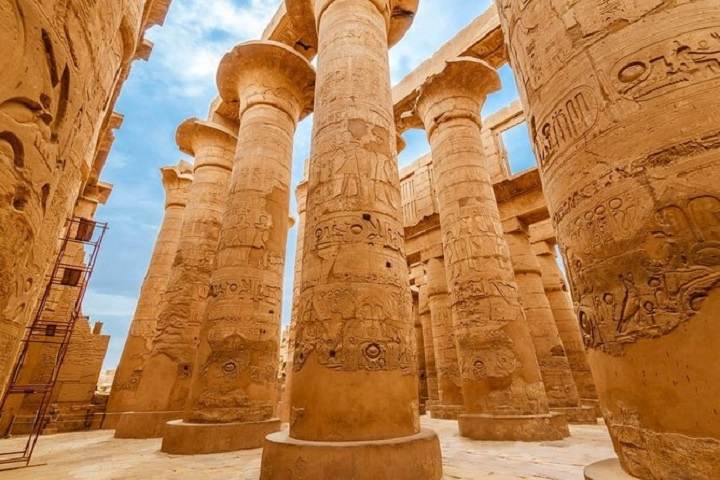
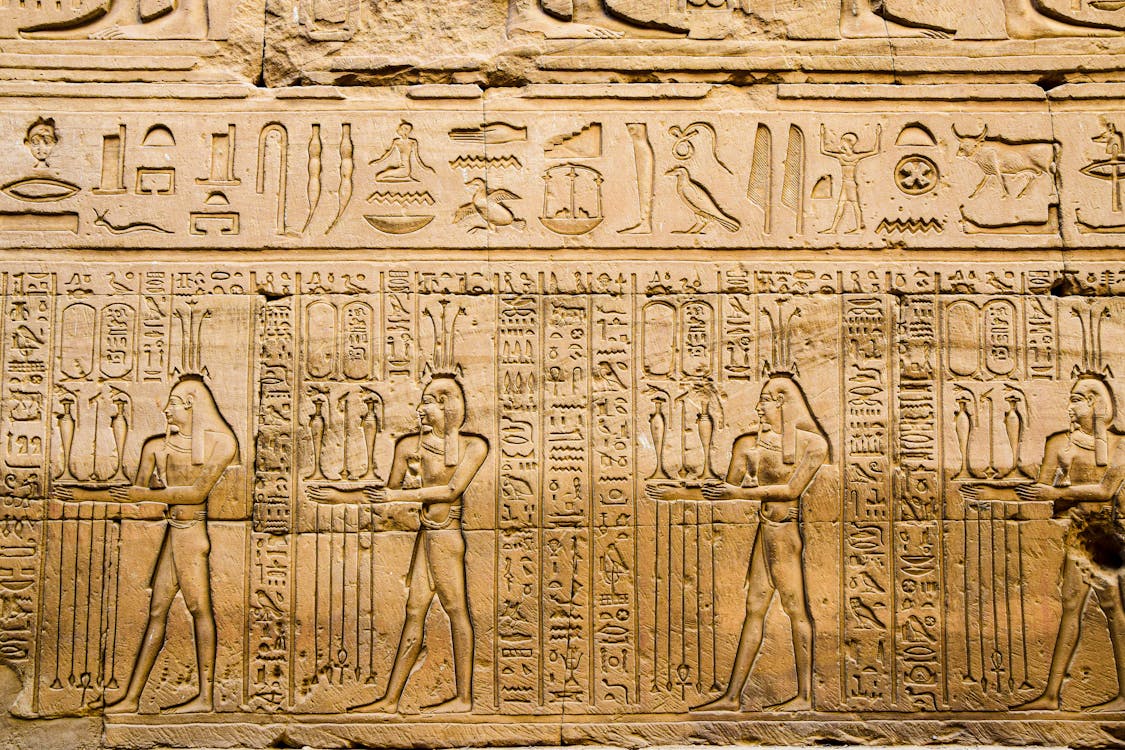
One of the most unique traditions in Ancient Egypt was the use of five royal names. Together, these titles represented the ruler's authority, religious duties, and connection to the gods. They were carved in Egyptian hieroglyphics on temples, statues, tombs, and monuments throughout the country.
1) The Horus Name:
The Horus Name linked the ruler with Horus, the falcon god of kingship and protection. It showed that the pharaoh ruled on earth under the protection and authority of Horus.
2) The Nebty Name (Two Ladies' Name):
This title honored the two goddesses who protected Egypt: Nekhbet, the vulture goddess of Upper Egypt and Wadjet, the cobra goddess of Lower Egypt.
Together, they symbolized the unity of the two lands under one ruler.
3) The Golden Horus Name:
Although historians still debate its exact meaning, the Golden Horus Name is generally believed to represent the pharaoh's strength, victory, and eternal rule.
4) The Throne Name (Prenomen):
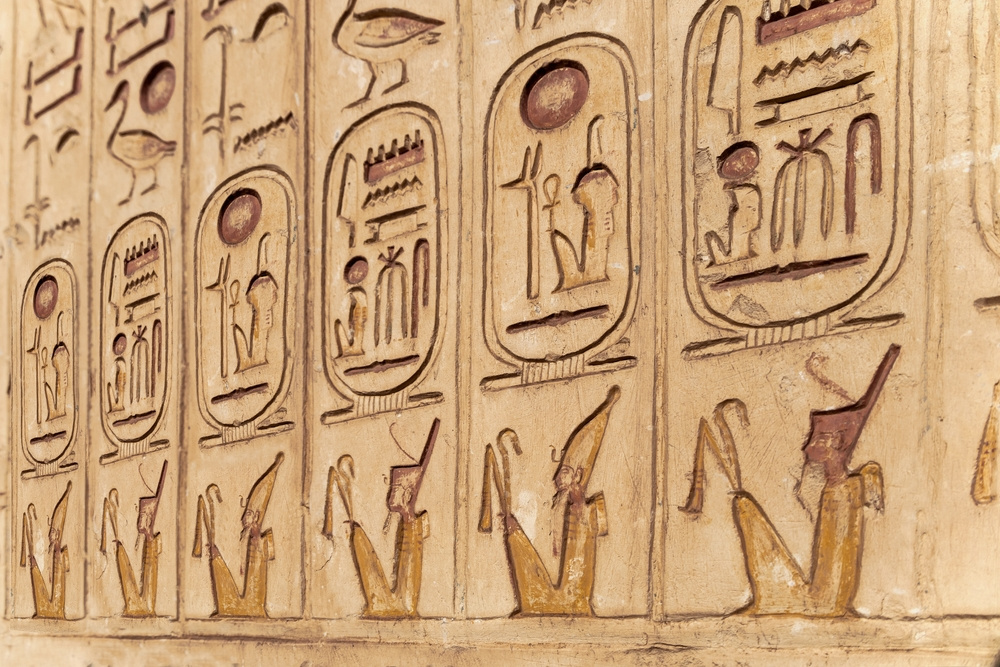
The throne name became the ruler's official royal name after the coronation. Many included references to Ra, the sun god, emphasizing the pharaoh's divine authority. This name was written inside a cartouche, one of the best-known symbols of Ancient Egypt.
5) The Birth Name (Nomen):
The birth name was the ruler's personal name given at birth. It was usually introduced with the title "Son of Ra" and was also enclosed in a cartouche.
Some of history's best-known Egyptian pharaohs are recognized by their birth names, including Tutankhamun, Ramesses II, and Khufu, the builder of the Great Pyramid.
Why Did Pharaohs Have Five Names?
The five royal names reflected the many responsibilities of an Egyptian ruler. A pharaoh was expected to lead the country, defend its borders, oversee religious ceremonies, and preserve order throughout Egypt.
Each title highlighted a different role, including: Protector of Egypt, Son of the sun god Ra, Ruler of Upper and Lower Egypt, Military leader, Guardian of Ma'at and justice
The royal titles also strengthened a ruler's claim to the throne, especially during times of political change.
For example, Hatshepsut, one of Egypt's few female pharaohs, adopted traditional royal titles to reinforce her authority. Later, Akhenaten changed parts of his titulary to reflect his religious reforms and his devotion to the Aten.
The Meaning of the Royal Cartouche
One of the easiest symbols to recognize during an Egypt tour is the royal cartouche. This oval-shaped frame surrounds the name of a king or queen written in Egyptian hieroglyphics.
Ancient Egyptians believed the cartouche protected the ruler's name and helped preserve it for eternity. Today, cartouches can still be seen carved into temples, tombs, statues, and monuments across Egypt.
Some of the best places to spot them include:
The Valley of the Kings, Karnak Temple, Luxor Temple, Abu Simbel, and The Pyramids of Giza
Many visitors also enjoy having their own names written in hieroglyphics inside a personalized cartouche as a unique souvenir inspired by Ancient Egypt.
Why Royal Titles Were Politically Important
The names of the pharaohs were more than ceremonial titles; they were also powerful political tools.
When a new ruler came to the throne or celebrated an important achievement, royal titles could highlight military victories, religious beliefs, or connections to respected gods and earlier rulers. These names reassured the Egyptian people that the country remained stable and protected.
During the New Kingdom, many rulers emphasized their relationship with Amun, one of Egypt's most important gods, after restoring Egypt's power and expanding the empire. Their names were carved onto temples and monuments throughout the country, leaving behind a lasting record of their reign.
Why Pharaohs' Names Still Matter Today
More than 3,000 years later, the names of Egypt's rulers continue to fascinate historians and travelers alike. Every cartouche and hieroglyphic inscription tells part of the story of the civilization that built the pyramids, magnificent temples, and royal tombs that attract millions of visitors each year.
Whether you're exploring the Pyramids of Giza, walking through Karnak Temple, or visiting the tombs in the Valley of the Kings, understanding the royal names of the pharaohs gives these ancient monuments a deeper meaning.
Learning about the five royal names is a simple way to connect with one of the world's greatest civilizations. It transforms the carvings on temple walls from mysterious symbols into the stories of the rulers who shaped Ancient Egypt, making every visit to Egypt's historic sites even more rewarding.
Who Were the Most Famous Egyptian Pharaohs?
Some of the most famous Egyptian pharaohs include Tutankhamun, known for his nearly intact tomb; Ramesses II, remembered for his long reign and impressive temples; Khufu, who commissioned the Great Pyramid of Giza; Hatshepsut, one of Egypt's most successful female rulers; and Akhenaten, famous for introducing religious reforms centered on the Aten. Today, visitors can learn about these rulers at many of Egypt's most famous archaeological sites and museums.