Saqqara Pyramid Complex Visitor Guide
-Explore the wonders of the Saqqara Pyramid Complex
The Saqqara Pyramid Complex was used as the burial ground for the ancient Egyptian capital, Memphis, for over 3,000 years. Spread out across the desert plateau, the vast complex boasts a number of pyramids, temples, tombs, ceremonial courts, and burial shafts all attributed to kings, noblemen, priests, and officials across many periods of ancient Egyptian history.
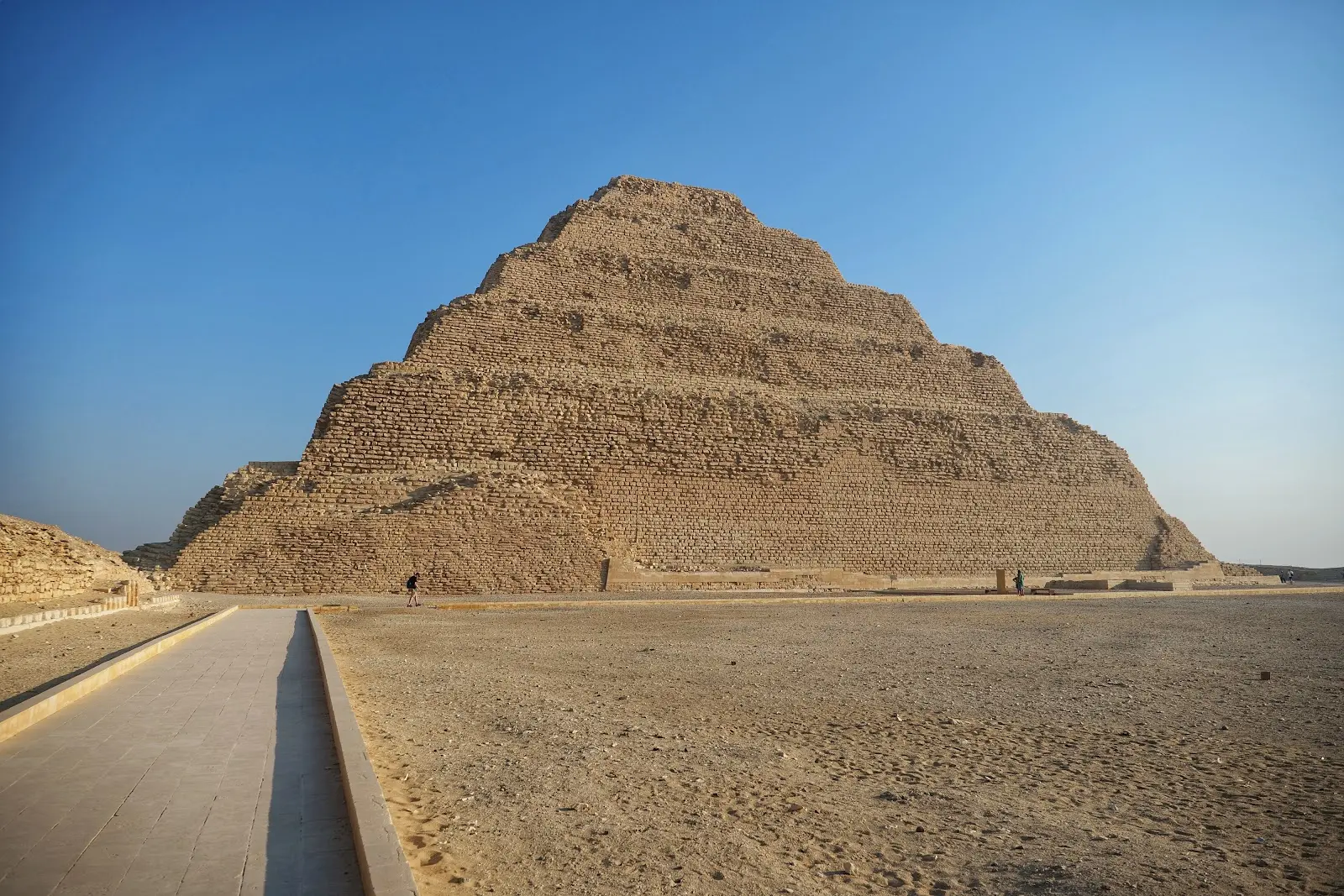
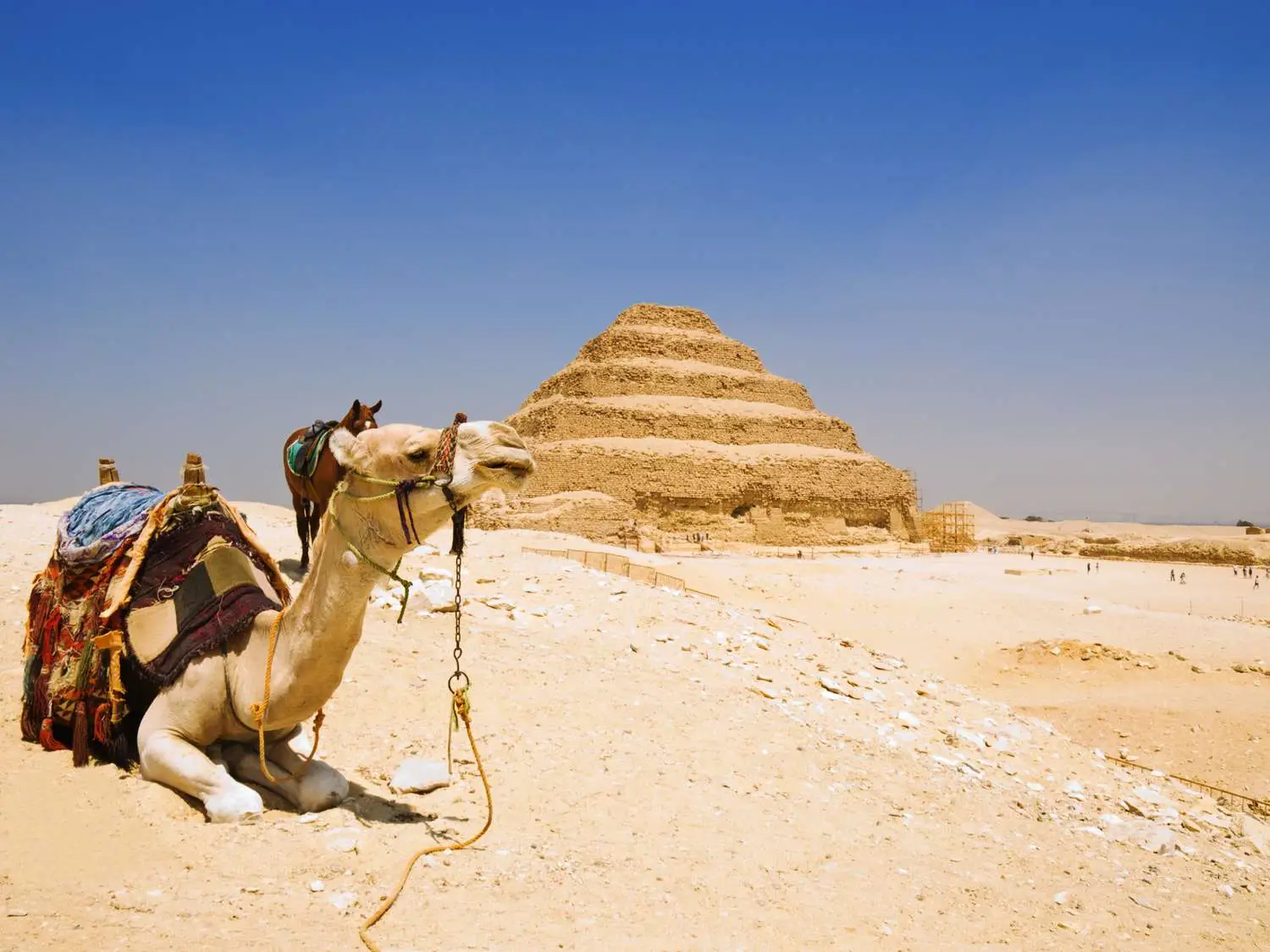
Of all the structures at Saqqara, the Step Pyramid of Djoser is perhaps the most significant as the world’s oldest large-scale stone building. Dating from the Third Dynasty of Egypt around 2670 BCE, it represented an incredible leap in construction and architecture. Up until the construction of this pyramid, royal tombs were simple, flat, rectangular brick structures known as mastabas. However, genius architect Imhotep designed a six-tiered step pyramid based on this traditional design that revolutionized the future of building construction.
The archaeological site of Saqqara is not confined to the world’s oldest pyramid, as further excavations have uncovered many colorful tombs, mummies, statuettes, sarcophagi and artifacts from ancient Egyptian history. Today it remains one of the world’s premier archaeological UNESCO sites and draws travelers from across the globe seeking a less crowded and a more authentic glimpse of Egypt’s fascinating ancient past than that offered at some of the more famous landmarks.
-The Step Pyramid of Djoser: Egypt’s First Pyramid
At the heart of Saqqara's pyramid complex stands the magnificent Step Pyramid of Djoser, one of the most innovative buildings ever constructed in human history.
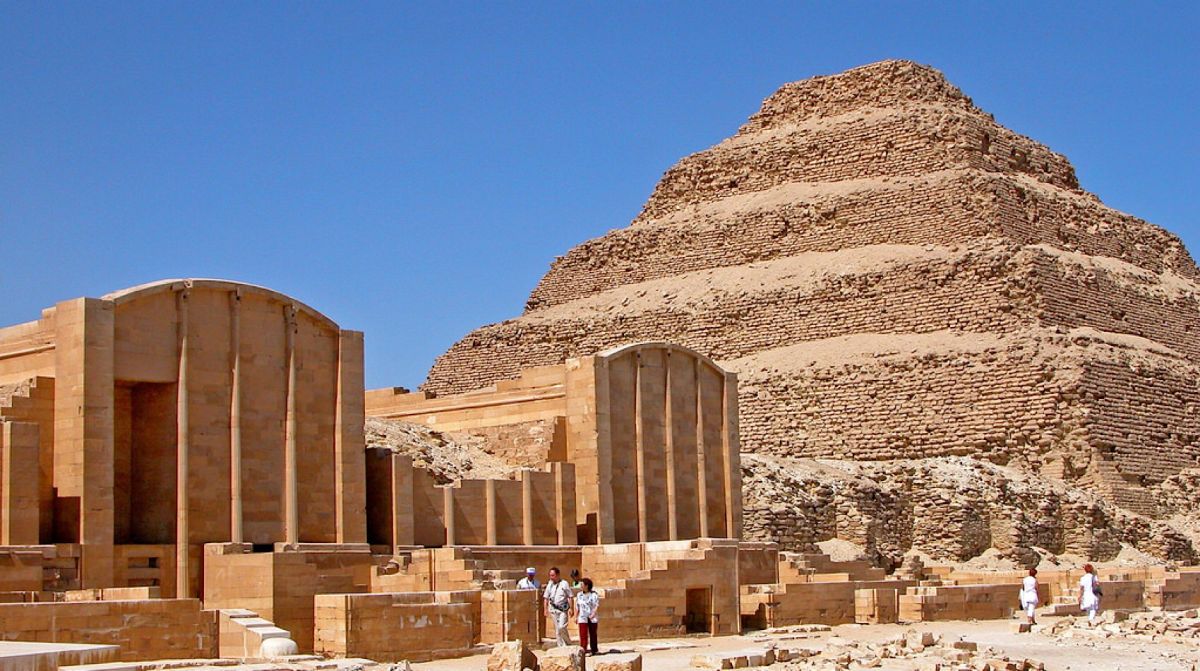
Instead of the smooth sides characteristic of the pyramids at Giza, the Step Pyramid stands six distinct levels, giving it a stair-like appearance intended to signify the pharaoh's journey into the afterlife and into the heavens. Designed by Imhotep, later revered as a god of wisdom and medicine, this architectural masterpiece became the blueprint for all subsequent pyramids in Egypt.
Tourists visiting the Step Pyramid complex will walk through an incredible ceremonial courtyard with surrounding ancient stone walls and pillars, as well as ancient temples, shrines, chapels, and underground tunnels that make up part of King Djoser’s magnificent burial complex.
An astonishing fact of the Step Pyramid is the engineering feat required to construct it in ancient times; it was constructed over 4,600 years ago. The immense size and precision involved in its creation continue to baffle even the most experienced archaeologists and architectural experts of today.
-The secrets and archaeological treasures of the Saqqara Necropolis
Beyond the iconic Step Pyramid, the Saqqara necropolis holds countless other treasures waiting to be uncovered.
One of the biggest surprises to many visitors to the site is the large quantity of tombs, belonging to high-ranking officials, priests, and noblemen, laid out in close proximity to the royal pyramids. Within these tombs can be found breathtakingly well-preserved carvings and paintings depicting everyday life from ancient Egypt, including scenes of farming, music, dancing, religious practices and hunting. Among the most popular tombs are the Tomb of Mereruka, the Tomb of Kagemni, and the Tomb of Ti.
Another spectacular aspect of the necropolis is the Serapeum of Saqqara, an underground burial place where the sacred Apis bulls, which were worshipped by the Egyptians, were kept. The huge sarcophagi that remain inside the tunnel are a testament to the monumental scale of the undertaking.
The recent discoveries from ongoing excavation sites at Saqqara have included golden masks, perfectly preserved mummies, sarcophagi and numerous burial shafts that have remained untouched for thousands of years.
For travelers with a keen interest in history, archaeology and culture, Saqqara is a destination that should not be missed.
-Why Saqqara Should be at the top of your Egypt itinerary
A major benefit to visiting Saqqara is its easy accessibility. Located roughly 40km south of Cairo, it is feasible to incorporate a visit to the site within a day trip with the ancient capital of Memphis and other nearby pyramids, such as Dahshur.
A benefit of visiting this spectacular necropolis instead of Giza is the relative absence of overwhelming crowds, making for a more relaxing and authentic experience of seeing such significant ancient structures.
Visitors can maximize their trip to the archaeological site by wearing comfortable shoes and providing sun protection. To gain a deeper understanding of the structures and their history, an Egyptologist guide would be highly recommended.
The best time to visit Saqqara is typically during the cooler, winter months between October and April and arriving at the archaeological site first thing in the morning is a great idea to get the most out of your visit, with the optimum temperature and the early morning sunlight providing the most stunning photographs.
Whether a solo, family or luxury traveler to Egypt, a visit to Saqqara promises an incredible experience encompassing history, archaeology, culture and a sense of true adventure. From the construction of the world's very first pyramid to the uncovering of buried tombs and long-lost artifacts, the Saqqara Pyramid Complex remains a destination like no other.
-Travel Information for the Saqqara Pyramid Complex
The Saqqara Pyramid Complex is located about 40 km (25 miles) south of Cairo and can easily be reached by car, taxi, or as part of a guided day tour. Most visitors spend between two and four hours exploring the site, while those combining Saqqara with nearby Memphis and Dahshur should allow a full day. The archaeological site is generally open daily, and tickets can be purchased at the entrance, with separate admission sometimes required for selected tombs or attractions. Wearing comfortable walking shoes, carrying water, and using sunscreen and a hat are highly recommended, especially during the warmer months. The cooler season from October to April offers the most pleasant weather for sightseeing, while arriving early in the morning allows visitors to enjoy the monuments with fewer crowds and better lighting for photography.