Coptic cairo
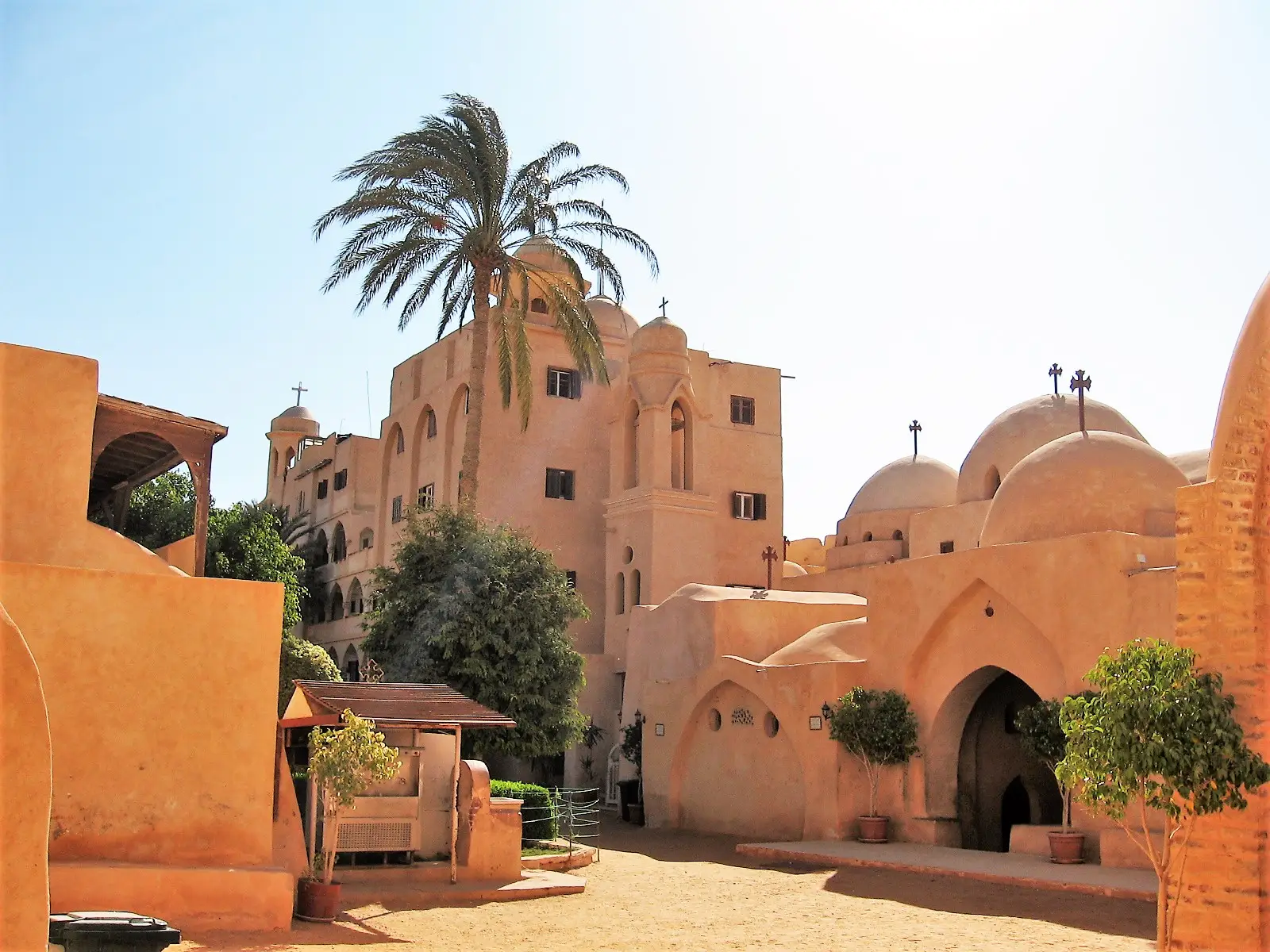
Coptic Cairo—located in Old Cairo—is a historic area of the city renowned for its historical churches, monasteries, and its extensive Christian history. Like, genuinely extensive. We're not talking "a few old churches" extensive. We're talking "this is where Christianity in Egypt basically started" extensive. With monuments like the Hanging Church, the Church of Saints Sergius and Bacchus, etc., Coptic Cairo presents a special journey through the history of religion in Egypt. As well as the holy sites from the Bible, and historical buildings dating back hundreds of years. Actually, thousands. Let's be real. Some of these places go back to the 4th century. Maybe even earlier.
The Hanging Church is the one everyone talks about. And for good reason. It's called the Hanging Church because it's built over the Roman gatehouse of Babylon. Like, literally suspended over ancient ruins. You walk in and the floor is uneven because it's sitting on top of 2,000-year-old walls. Wild. The icons inside? Unreal. Coptic art at its finest. Centuries of devotion painted onto wood, preserved through wars, fires, empires rising and falling. And they're still here. Still watching. Still telling their stories to anyone who walks in and looks up.
But Coptic Cairo isn't just the Hanging Church. That's the famous one, sure. The Instagram star. But walk a few steps and there's Abu Serga, where the Holy Family supposedly rested. There's the Ben Ezra Synagogue, where legend says baby Moses was found in the reeds. (Different reeds, but still. The story connects.) There's the Coptic Museum, packed with artifacts that span from the Roman period through Islamic rule. All of it crammed into this tiny, walkable district. Like someone took centuries of religious history and just... dropped it in one neighborhood.
If you're booking a Cairo day tour or browsing Egypt travel packages, this place slots right in. Especially if you're doing a Coptic and Islamic Cairo Tour or an Egypt culture tour. Most Cairo sightseeing tours hit the pyramids, the museum, maybe the citadel. And those are incredible. LOVE them. But Coptic Cairo is different. It's the spiritual layer underneath all the pharaohs and the mosques. The place where Egypt's Christian history actually took root. Before Islam, before Al-Azhar, before the Islamic conquest changed everything. There were Christians here. Building churches. Carving icons. Praying in caves. And their descendants are still here. Still worshipping in the same buildings. Still speaking Coptic in their liturgy. Living history. Not museum history. Actual living, breathing, singing history.
Look. I've been to a lot of historical districts. A LOT. And most of them? You walk around, you read a plaque, you take a photo, you leave. Coptic Cairo is NOT that. You sit in the courtyard of the Hanging Church and you feel the weight of it. The stone is cool under your feet. The incense drifts out from the sanctuary. And somewhere, a deacon is chanting in a language that hasn't been spoken conversationally in centuries. It's not a performance. It's just... life. Happening. In a neighborhood that's seen empires come and go.
The architecture alone is worth the visit. That suspended nave of the Hanging Church. The ancient crypt of Abu Serga. The Roman towers of Babylon that still stand at the entrance. Nothing matches. Because nothing was built at the same time. Different centuries, different styles, different faiths. All crammed together. Churches next to synagogues next to mosques. And somehow it works. It shouldn't work. But it does. Like Cairo itself. Layered, ancient, impossible, and beautiful.
Now. if you're the type who usually books Egypt package tours that pack in pyramids, temples, museums... i get it. Those are incredible. But after a few days of ancient ruins under the Egyptian sun? your feet are screaming. Your brain is full of pharaohs. You need something that feels different. Coptic Cairo is that perfect palate cleanser. It fits into almost any itinerary without feeling forced or weird. And most of it is free. Like, actually free. No ticket for the churches. Just show up, cover your shoulders, take off your shoes, and walk in.
If you're building out a tailor-made trip or browsing luxury Egypt holidays, do NOT sleep on this. Whether you're dragging the family on an Egypt family tour, doing a quick 5-day Cairo and Luxor trip, or just exploring on your own, Coptic Cairo delivers. All of it. History, spirituality, architecture, and that rare feeling of being somewhere that matters. Like, genuinely matters. Not just to tourists. To the city. To the Coptic community. To anyone who cares about the layers of history that make Egypt what it is.
i've talked to people who've done the 8-day Cairo, Luxor & Aswan tour, the Nile cruises, the whole nine yards. And they loved those too. But Coptic Cairo? different. It's for the people who want to feel the pulse of Old Cairo. The real pulse. Not the tourist version. The version that's been beating for over sixteen centuries.
So. Bottom line? You want to understand Egypt. Not just the pyramids. Not just the pharaohs. The WHOLE thing. The Christian layer, the Jewish layer, the Islamic layer, the Roman layer, all of it. Coptic Cairo is where those layers are most visible. Most tangible. Most alive. Put on some modest clothes, take off your shoes, and walk into a neighborhood where history isn't behind glass. It's in the walls. In the chants. In the faces of the people who still call this place home. You won't regret taking a breather for this one. Seriously. you really won't.
Relish Coptic Cairo's deep past
A bastion of Egypt's history and religion, Coptic Cairo provides an exceptional experience of Christian history in the nation. And an imprint of centuries of heritage. Like, genuinely centuries. We're not talking "a few old churches" centuries. We're talking "this is where Christianity in Egypt basically started" centuries. Located within the heart of Old Cairo, it boasts the earliest of churches, monasteries, and monuments of faith found on this earth. The antique site of Coptic Cairo attracts travelers, pilgrims, historians and culture enthusiasts from all parts of the world. People who yearn to discover an untold aspect of Egypt. Lying beyond the magnificent pyramids and pharaonic temples. Because yes, the pyramids are incredible. LOVE them. But there's MORE. So much more.
An immersion into the lanes transports one to the past. When the cobblestones, churches, and monuments seem to tell a story of faithfulness, fortitude, and an awe-inspiring history. One of the best attractions that Cairo offers, Coptic Cairo exhibits religious history and amazing architecture. Making it a place to fall in love with. Like, actually fall in love with. Not just "oh that's nice" love. The kind where you start planning your return trip before you've even left. Happens every time.
If you're booking a Cairo day tour or browsing Egypt travel packages, this place slots right in. Especially if you're doing a Coptic and Islamic Cairo Tour or an Egypt culture tour. Most Cairo sightseeing tours hit the pyramids, the museum, maybe the citadel. And those are incredible. But Coptic Cairo is different. It's the spiritual layer underneath all the pharaohs. The place where Egypt's Christian history actually took root. Before Islam, before Al-Azhar, before everything. There were Christians here. Building churches. Carving icons. Praying in caves. And their descendants are still here. Still worshipping in the same buildings. Still speaking Coptic in their liturgy. Living history. Not museum history. Actual living, breathing, singing history.
Admire the World-Famous Hanging Church and Early Christian Marvels
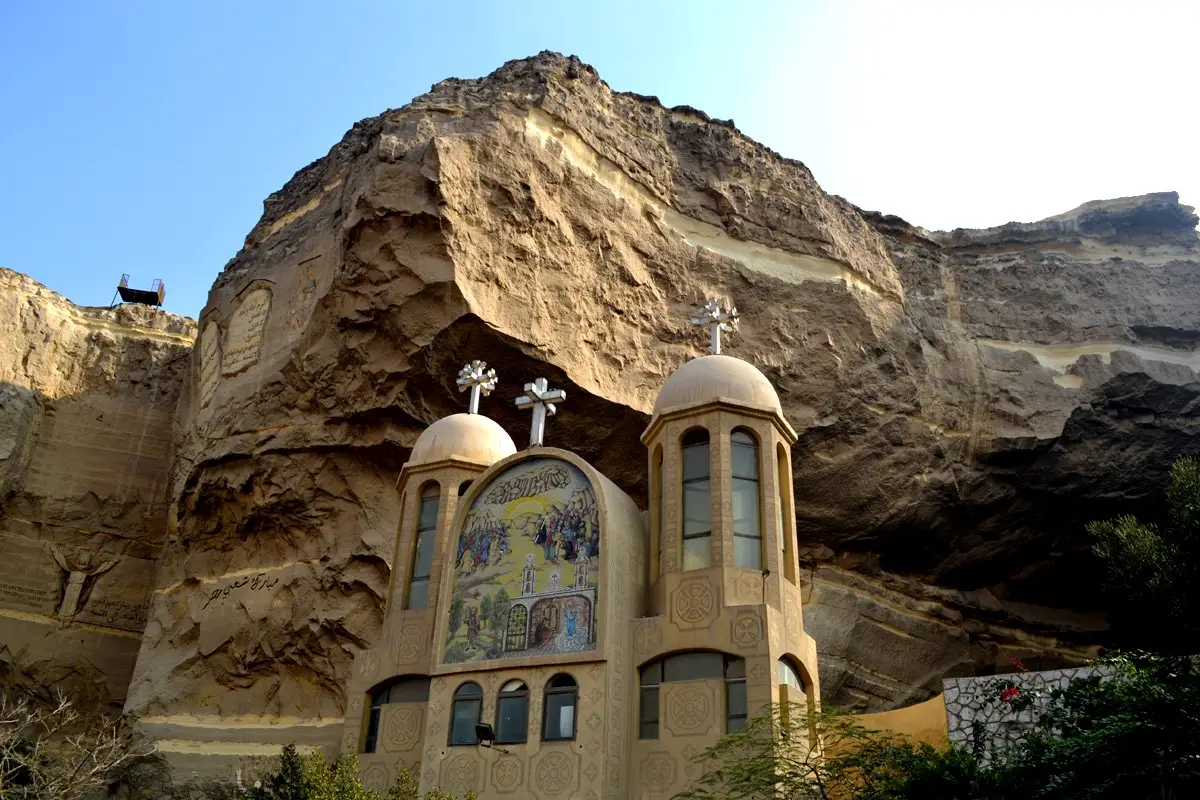
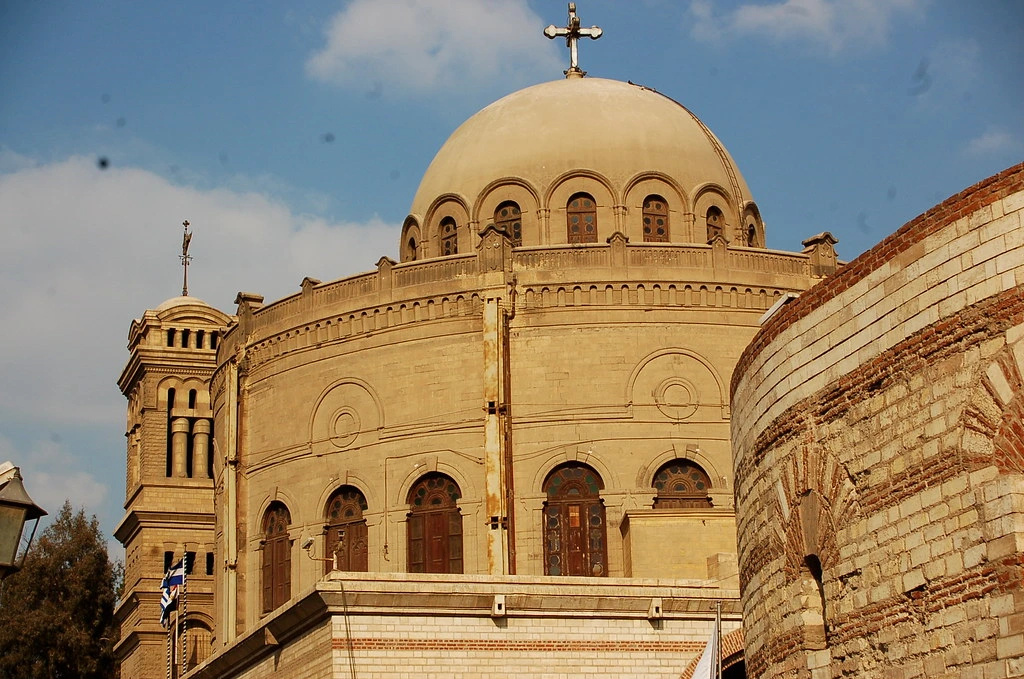
The Hanging Church is undoubtedly a gem amongst the many worthwhile marvels in Coptic Cairo. Officially known as Saint Virgin Mary's Coptic Orthodox Church, this magnificent house of worship is situated above the southern gateway of the ancient Roman Fortress of Babylon. The reason behind its name lies in its appearance. Makes it look as if it's hanging precariously over the fortress walls. And it kind of is. The floor is uneven because it's sitting on top of 2,000-year-old walls. You walk in and your brain is like... wait, is this safe? It is. It's been safe for centuries. But it FEELS like an adventure.
This ancient edifice enchants its visitors with its beautiful wooden roof. Resembles Noah's Ark. Its stunning marble pulpit. As well as a divine collection of ancient icons. The icons are the thing that gets me. Every time. They're not just paintings. They're... windows. Into stories, into theology, into a way of seeing the world that most of us don't encounter anymore. The colors are deep. The gold leaf still catches the light. And the faces—Mary, Jesus, the saints—they stare at you with these eyes that feel ancient. Because they are.
Apart from the Hanging Church, there are various other historic churches in the district. Hold immense significance for the Christian heritage of Egypt for ages. The churches house some exemplary Coptic art and architecture. Also reflect the intense devotional spirit that has prevailed in the area throughout the ages. Visiting these sacred edifices allows the travelers to deepen their understanding of the incredible history of Christianity in Egypt. And its far-reaching impact. Like, genuinely far-reaching. Coptic Christianity influenced Ethiopian Christianity, Nubian Christianity, and spread across Africa and the Middle East. All from here. From these narrow streets.
Trace the Footsteps of the Holy Family through Egypt
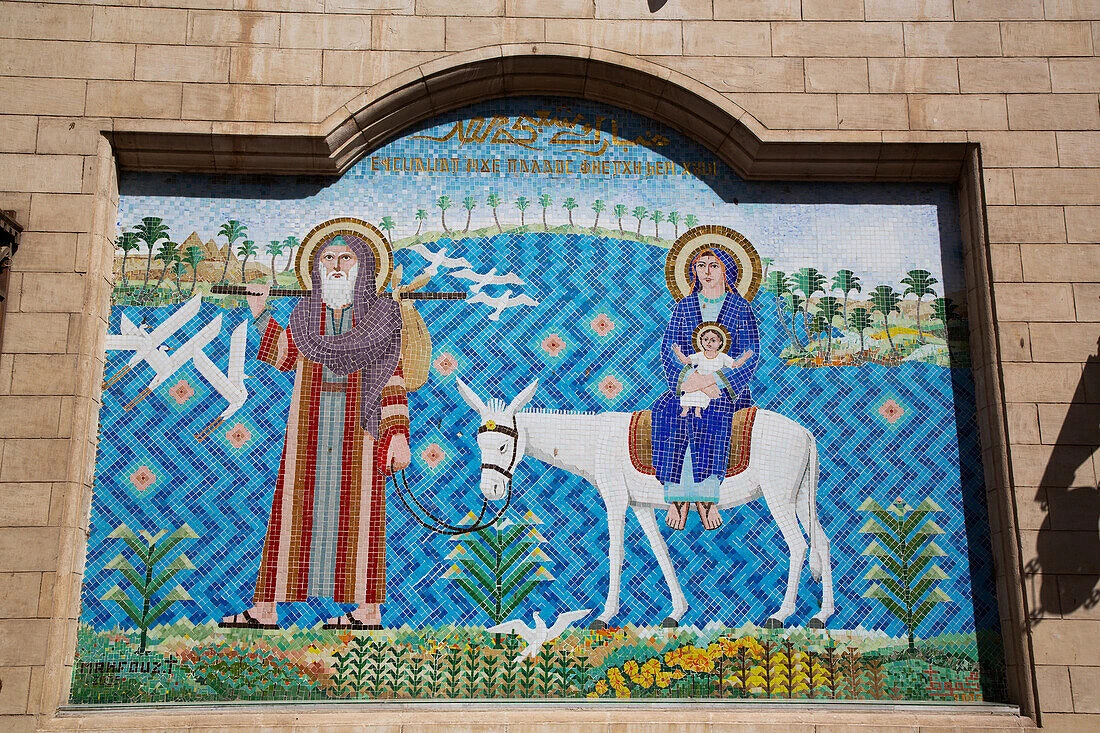
One of the major drawcards of Coptic Cairo is its connection with the journey of the Holy Family through Egypt. According to Christian teaching, the Holy Family—which consist of the Virgin Mary, St. Joseph, and the toddler Jesus Christ—sought asylum in Egypt. Whilst escaping the tyrannical clutches of King Herod. Several sites in Coptic Cairo are believed to have been visited by the Holy Family during this period. This, the Church of Saints Sergius and Bacchus, more affectionately called the Abu Serga Church, is believed to be located above the cave where the Holy Family sought refuge. During their stay in Egypt.
This deeply holy connection pulls Christians from all parts of the world. Eager to witness these blessed places for themselves. Walking these sacred grounds is an extremely holy yet also educationally powerful endeavor. Gaining insight into the profoundly holy link between Egypt and one of the world's most beloved tales. Whether you're religious or not—and i'm not particularly religious myself—there's something about standing in a place where something that significant might have happened. Your brain kind of short-circuits. In a good way.
The crypt at Abu Serga is the thing that gets people. You descend these narrow stairs and suddenly you're in a small chamber, low ceiling, stone walls, and this... silence. Not eerie silence. Peaceful silence. The kind that makes you whisper even if no one told you to. The walls are rough. The floor is uneven. And there's this feeling that you're standing in a space that hasn't changed in two thousand years. Because it hasn't.
Learning about religious Cairo at the Coptic Museum
Part of any venture into Coptic Cairo has to be a venture into the Coptic Museum. This is one of the most renowned museums that display the vast history of Christianity and Christian art and iconography across the globe. Housing a variety of manuscripts, icons, textiles, statues, frescoes and artifacts of worship. The museum is a true gateway into the evolution of Christianity in Egypt through the ages. Like, actually through the ages. From the Roman period to Islamic rule to modern times. All in one building.
The exhibits on display at the Coptic Museum reveal a fascinating mixture of Egyptian, Greek, Roman, and Byzantine influences. Which gave birth to Coptic art and architecture. A perfect representation of the area. Visitors are marvelled by beautifully preserved relics. Reveal what daily life, religious beliefs and art were like in Egypt during several different epochs. The textiles especially—woven with threads that are over a thousand years old, colors still vibrant, patterns so intricate you need to get close to see them all. And when you do? You'll stand there longer than you planned. Because there's always more to see.
A museum such as this is indeed an important resource for anyone keen on discovering the historical importance of Egypt's Christian population. And its priceless contribution towards the country's pluralistic cultural inheritance. Like, genuinely priceless. Without the Coptic community, Egypt wouldn't be Egypt. The art, the music, the traditions, the very fabric of Cairo's identity—it's all intertwined.
Uncover the History of the Ancient Roman Fortress of Babylon
Beneath the sacred churches and edifices that populate Coptic Cairo lies yet another layer of Egypt's illustrious past. The ancient Roman Fortress of Babylon. The fortress, established in the era of Roman rule over Egypt, had once served as a stronghold for the army. Played an instrumental role in defending the region. Fragments of the fortress's walls, towers and gates can still be spotted within the various churches and historical buildings. Located in Coptic Cairo, making it one of the few tourist sites that display Roman, Christian and Islamic architectures together. In a small cluster.
Such a confluence of civilizations, within the limited expanse of Coptic Cairo, makes it one of the most historically diverse sites to visit in all of Egypt. Enables one to delve into the deep impacts that different civilizations have had on the creation of present day Cairo. Like, genuinely delve. You can literally see the layers. Roman stone at the bottom, Christian church built on top, Islamic additions nearby. All in one view. It's like a historical layer cake. (Is that a weird metaphor? Maybe. But it's ACCURATE.)
If you're doing a Cairo day tour, ask your guide to point out the Roman walls inside the Hanging Church. Most people walk right past them. But once you see them—those ancient stones, those weathered bricks—you can't unsee them. They're everywhere. Holding up the churches. Forming the foundations. Still doing their job after two millennia.
Soak in the Serene Ambiance of Coptic Cairo
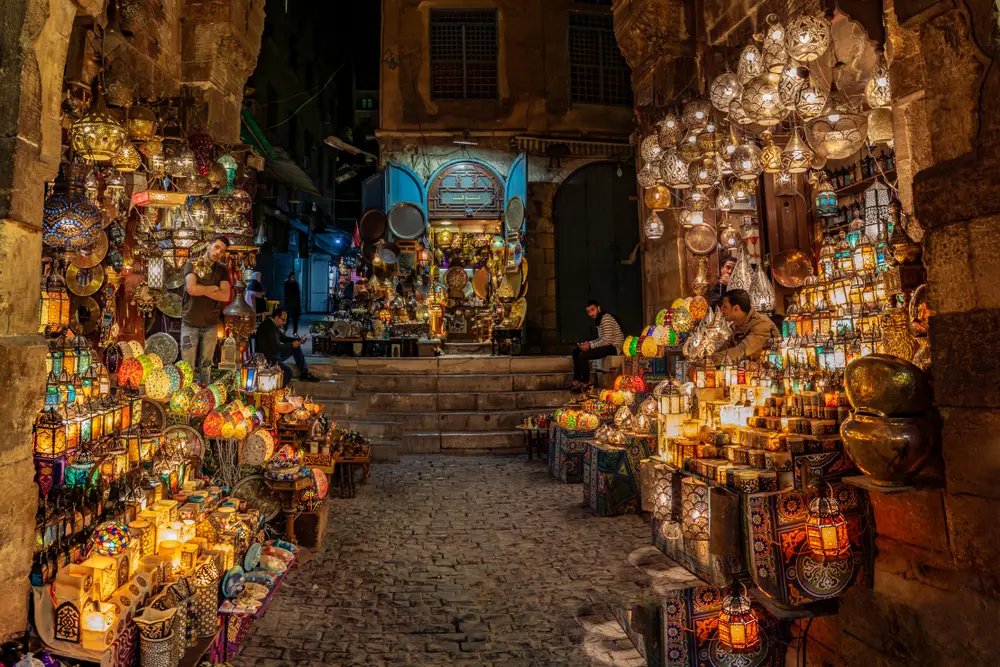
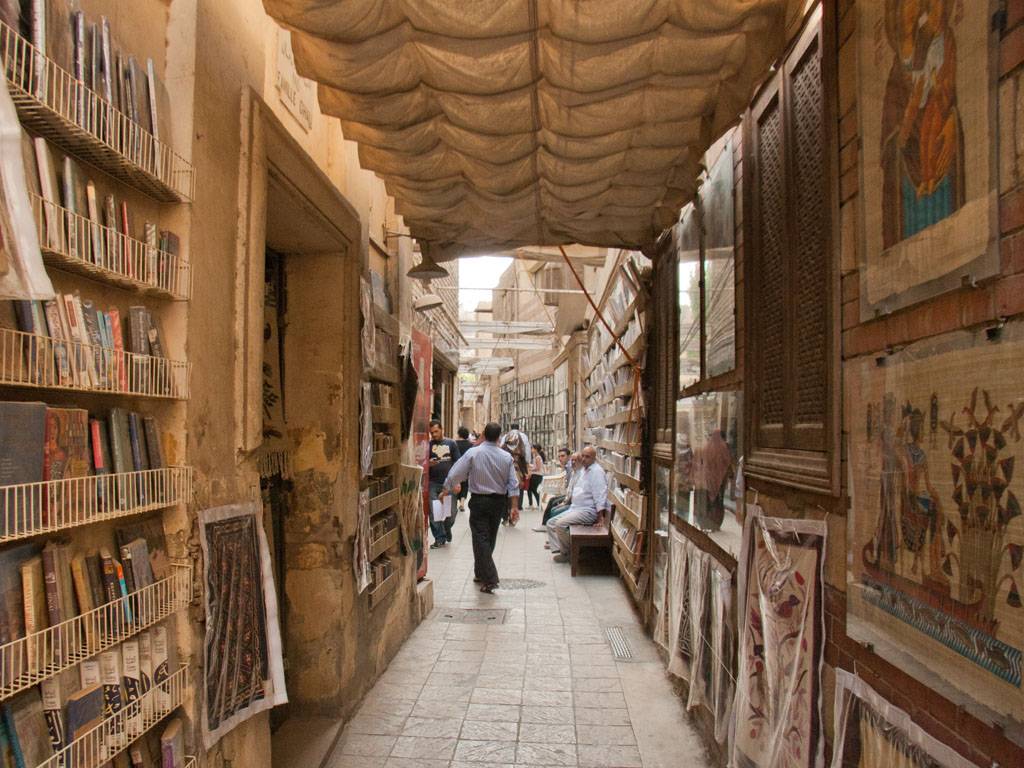
While many parts of Cairo are known for their boisterousness and crowded avenues, Coptic Cairo presents a calm and contemplative setting. Encourages you to pause and appreciate the timeless elegance of the area. Coptic Cairo, the part of the city filled with narrow stone-paved alleyways, time-honored courtyards and well-preserved churches, offers an ambiance of immortality and warmth at once. Like, genuinely. You walk through these alleys and the noise of Cairo just... fades. The honking taxis, the shouting vendors, the general chaos—it all disappears. Replaced by birdsong, incense, and the murmur of prayer.
Guests can amble along for hours. Discovering hidden architectural details and gaining insight into religious traditions. Soaking up the peaceful ambiance which sets the district apart from other areas in Cairo. Old men drinking tea outside ancient doorways. Cats sunning themselves on 2,000-year-old stones. The smell of incense drifting from a church you didn't know was there. It's not on any itinerary. But it's the thing you'll remember.
Regardless of whether you are interested in exploring history, going on a spiritual pilgrimage, or simply desire to connect with the local culture, Coptic Cairo guarantees a journey of unforgettable memories. Through the most venerable historic neighborhoods in Egypt. Like, genuinely unforgettable. The kind of memories that surface randomly months later. When you're stressed at work and suddenly you remember that courtyard, that light, that silence. And you breathe easier.
Why Coptic Cairo Deserves a Spot on Your Egypt Itinerary
Coptic Cairo is undisputedly one of the most prominent cultural and religious destinations of Egypt. Offering its visitors the chance to witness centuries of history unfold within one location. Its ancient churches, pilgrimage sites that are considered holy, a globally renowned museum and vestiges of Roman architecture comprise a journey that is both instructive and stimulating. Like, genuinely stimulating. Your brain will be FULL. In the best way.
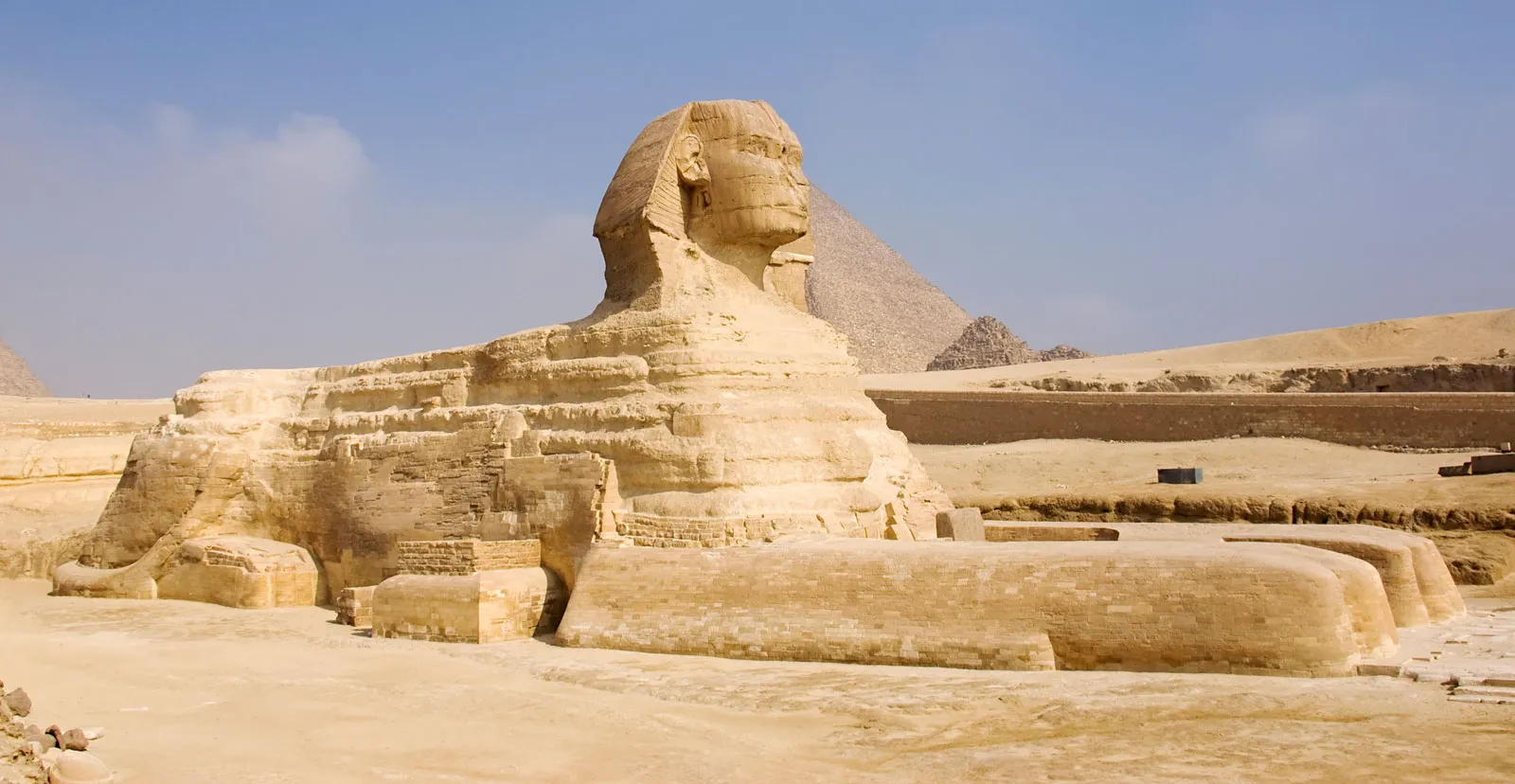
Coptic Cairo should be a significant part of any worthwhile trip to Egypt. An interesting contrast to visits to the Pyramids of Giza, the Egyptian museum and other world famous sites. A different point of reference in Egypt's long and varied history to examine. Because yes, the pyramids are incredible. The pharaohs are fascinating. But Egypt is MORE. So much more. And Coptic Cairo is where you see that.
A wonderful trip for all interested in Christianity, the Bible, architecture or simply sight seeing. And is definitely one that will last with you for some time. Demonstrates the exceptionally multi-layered history that Egypt offers. If you're building out a tailor-made trip or browsing Egypt travel packages, do NOT sleep on this. Whether you're dragging the family on an Egypt family tour, doing a quick 5-day Cairo and Luxor trip, or just exploring on your own, Coptic Cairo delivers. ALL of it. History, spirituality, architecture, and that rare feeling of being somewhere that matters. Like, genuinely matters.
So. Bottom line? You want to understand Egypt. The WHOLE thing. Not just the tourist postcard version. Coptic Cairo is where you start. Put on some modest clothes, take off your shoes, and walk into a neighborhood where history isn't behind glass. It's in the walls. In the chants. In the faces of the people who still call this place home. You won't regret taking a breather for this one. Seriously. you really won't.