Abdeen Palace Museum, Cairo: History, What to See, and Visitor Tips
What Is Abdeen Palace Museum?
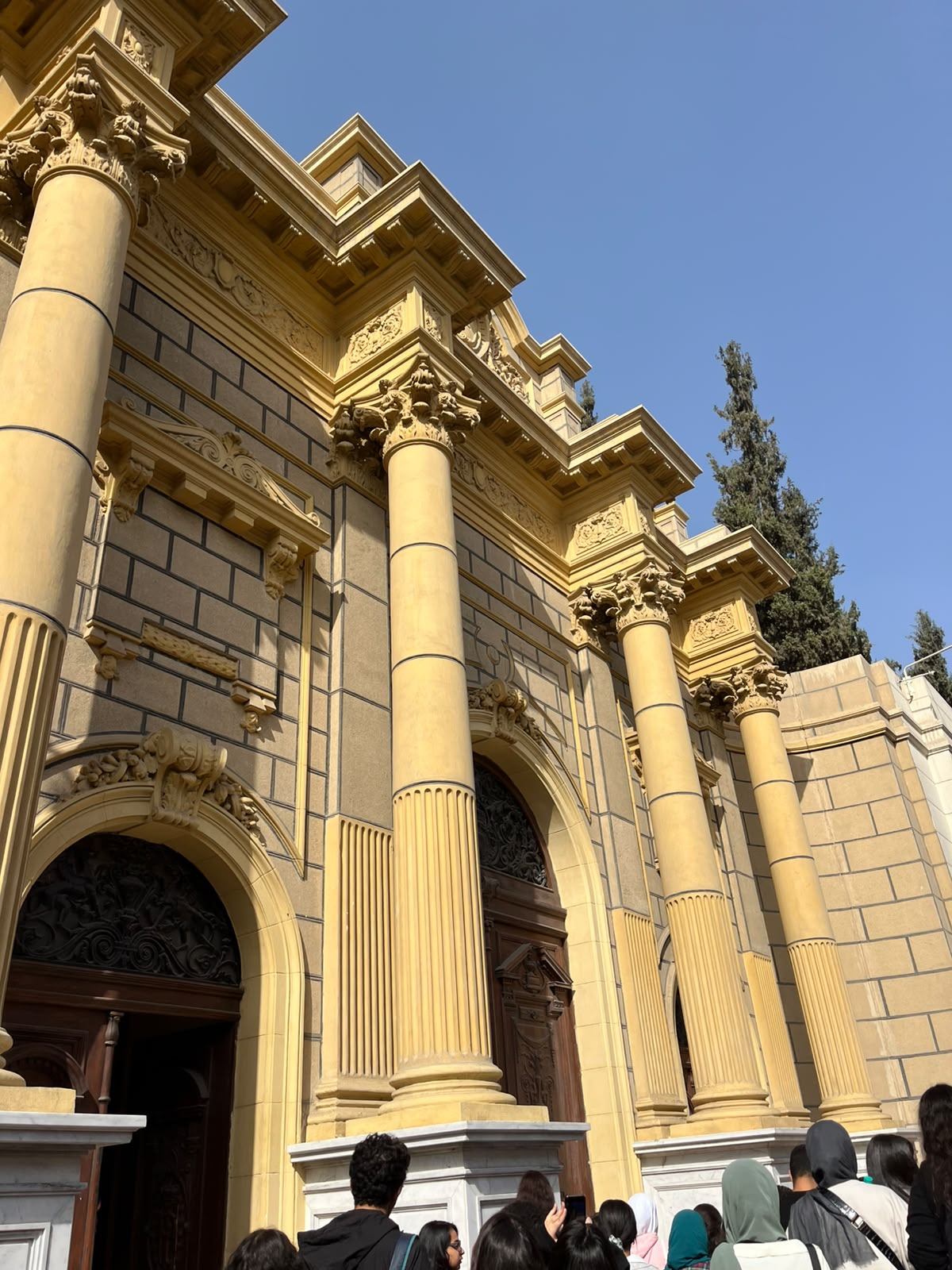
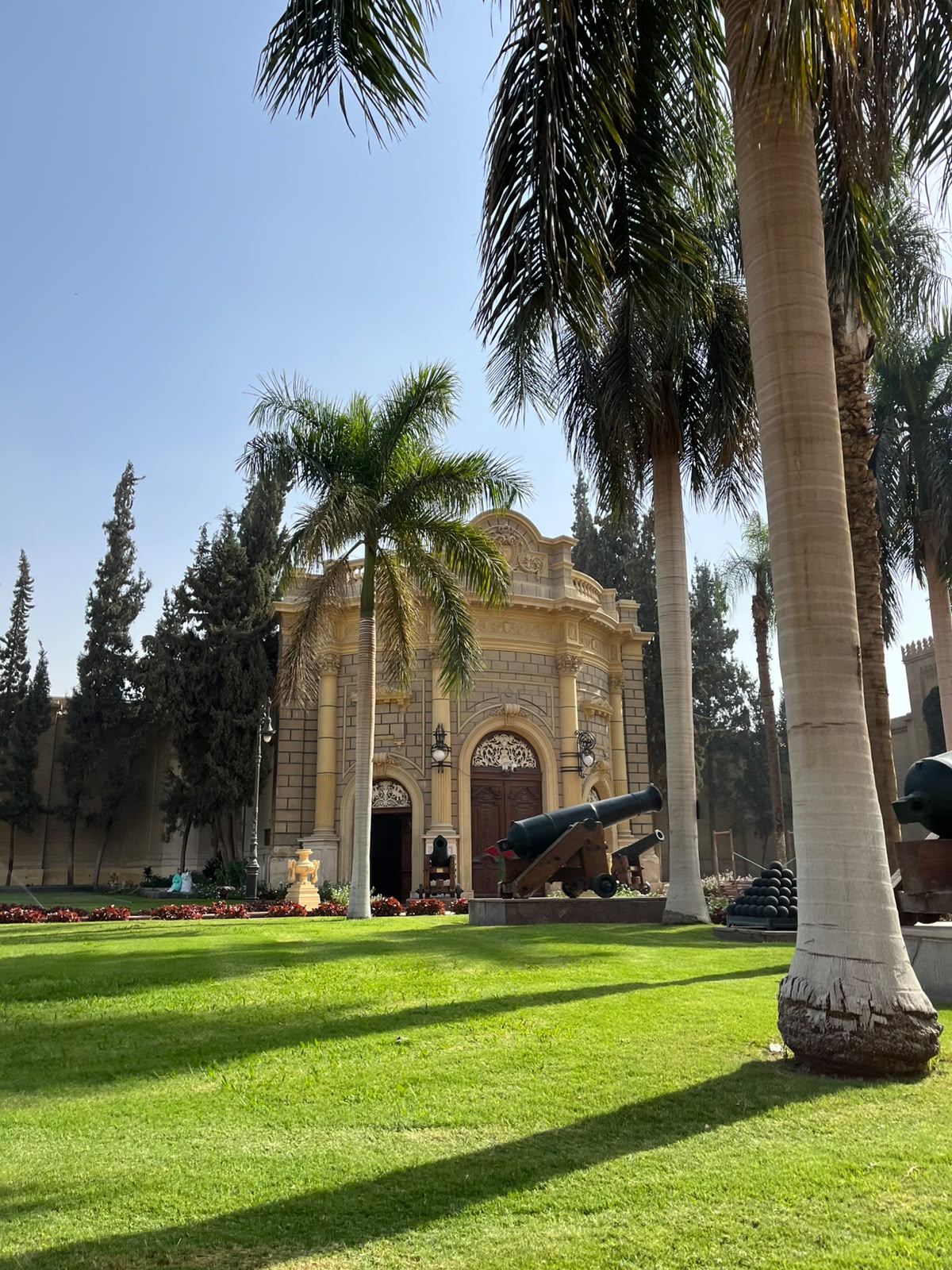
The Abdeen Palace Museum is a group of five museums housed inside a former royal palace in El-Gomhoreya Square, downtown Cairo. Built in the 1860s for Khedive Ismail, the palace served as the main residence of Egypt's royal family for nearly a century before becoming a presidential palace after the 1952 revolution. Part of it is now open to the public as a museum complex, while the rest continues to function as an official presidential building—a working palace, not a preserved-in-time relic.
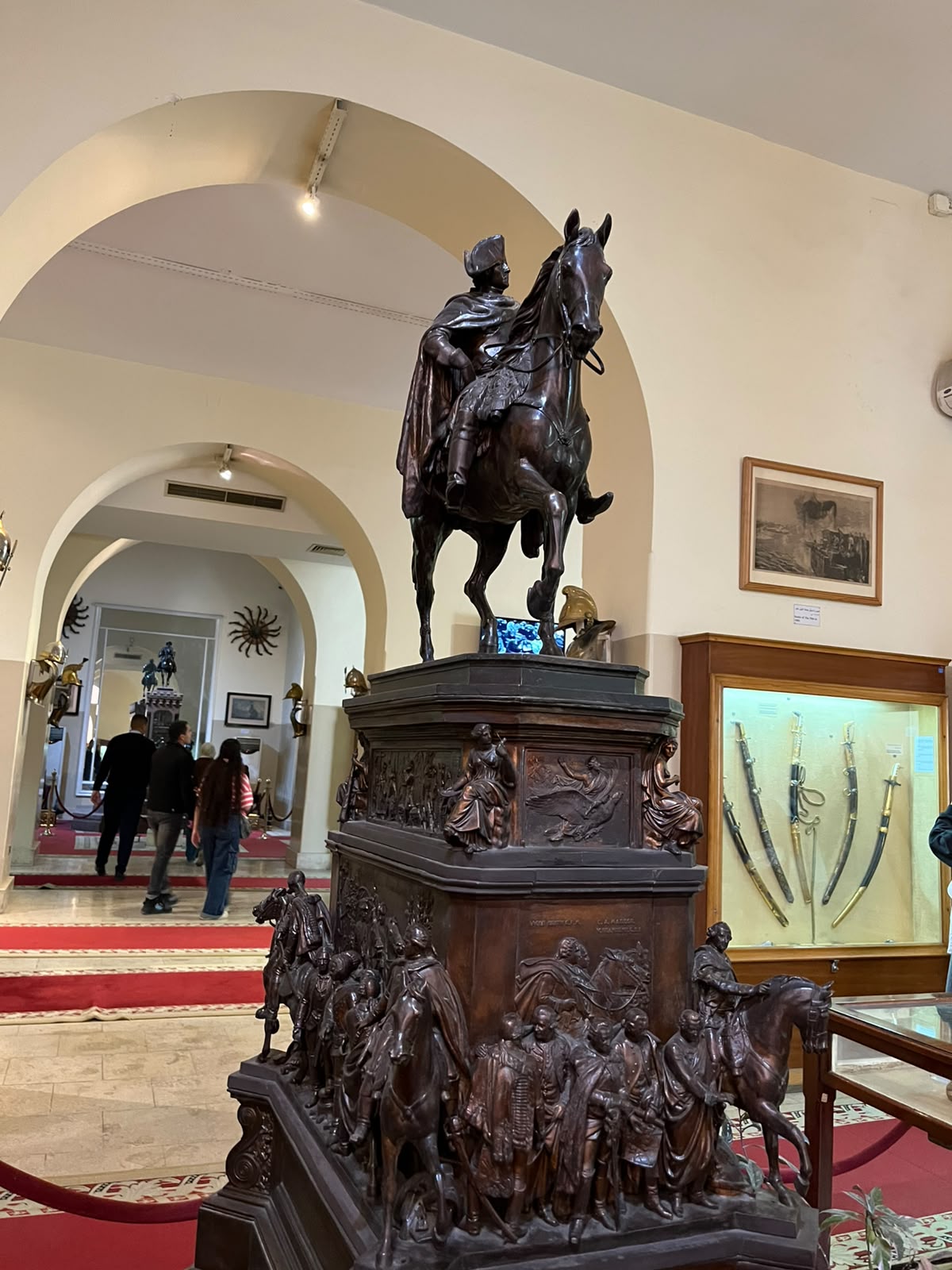
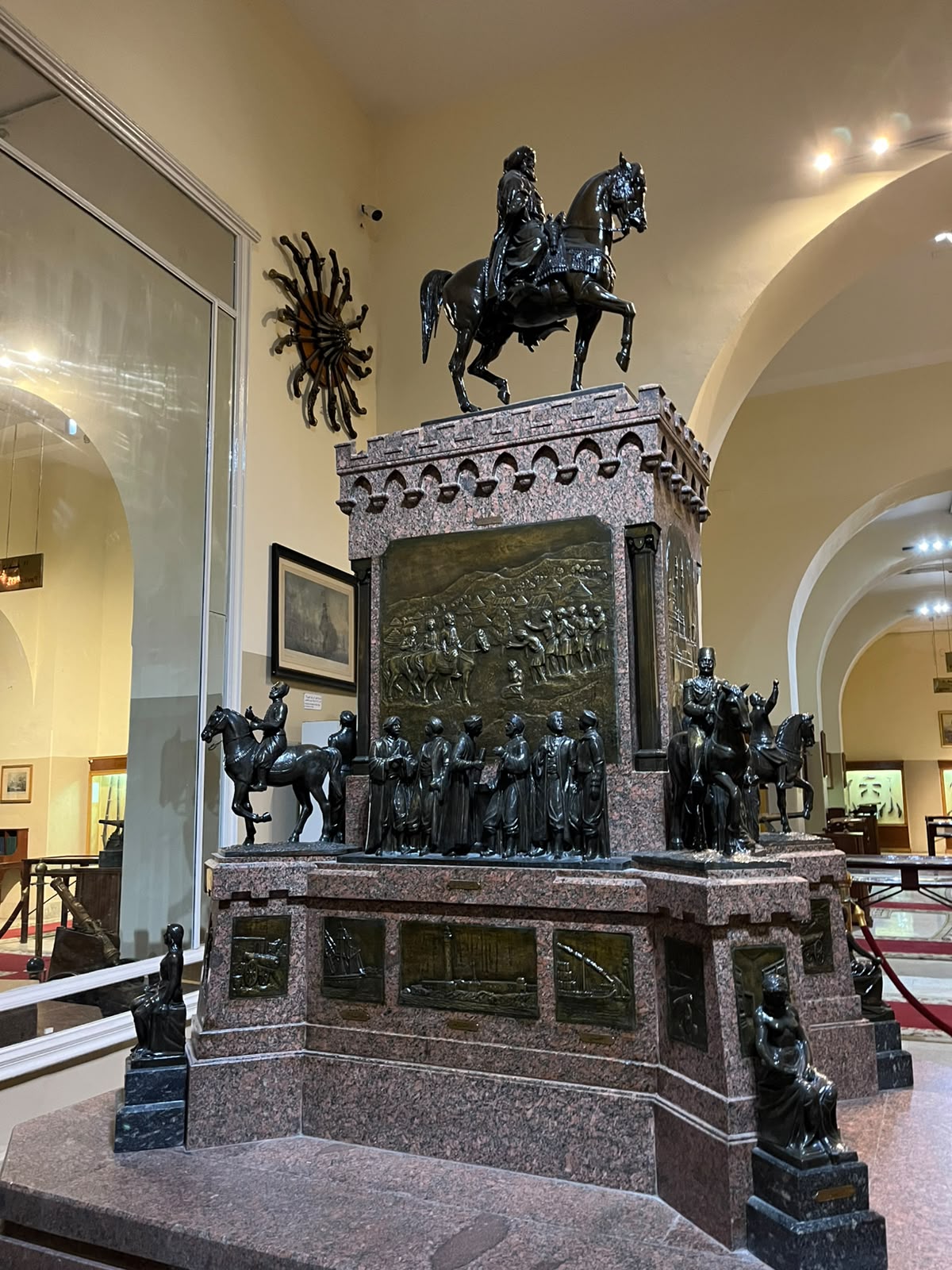
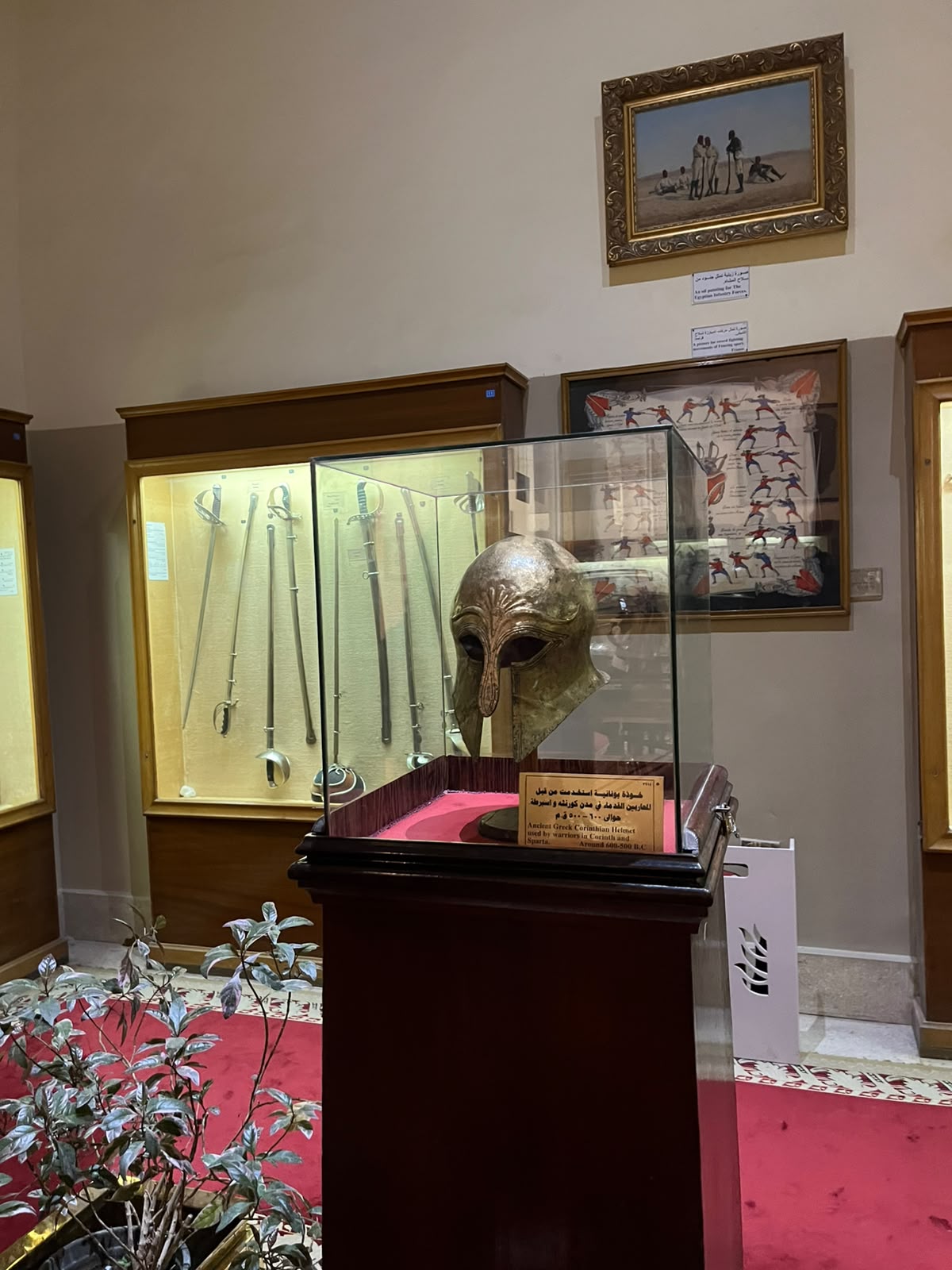
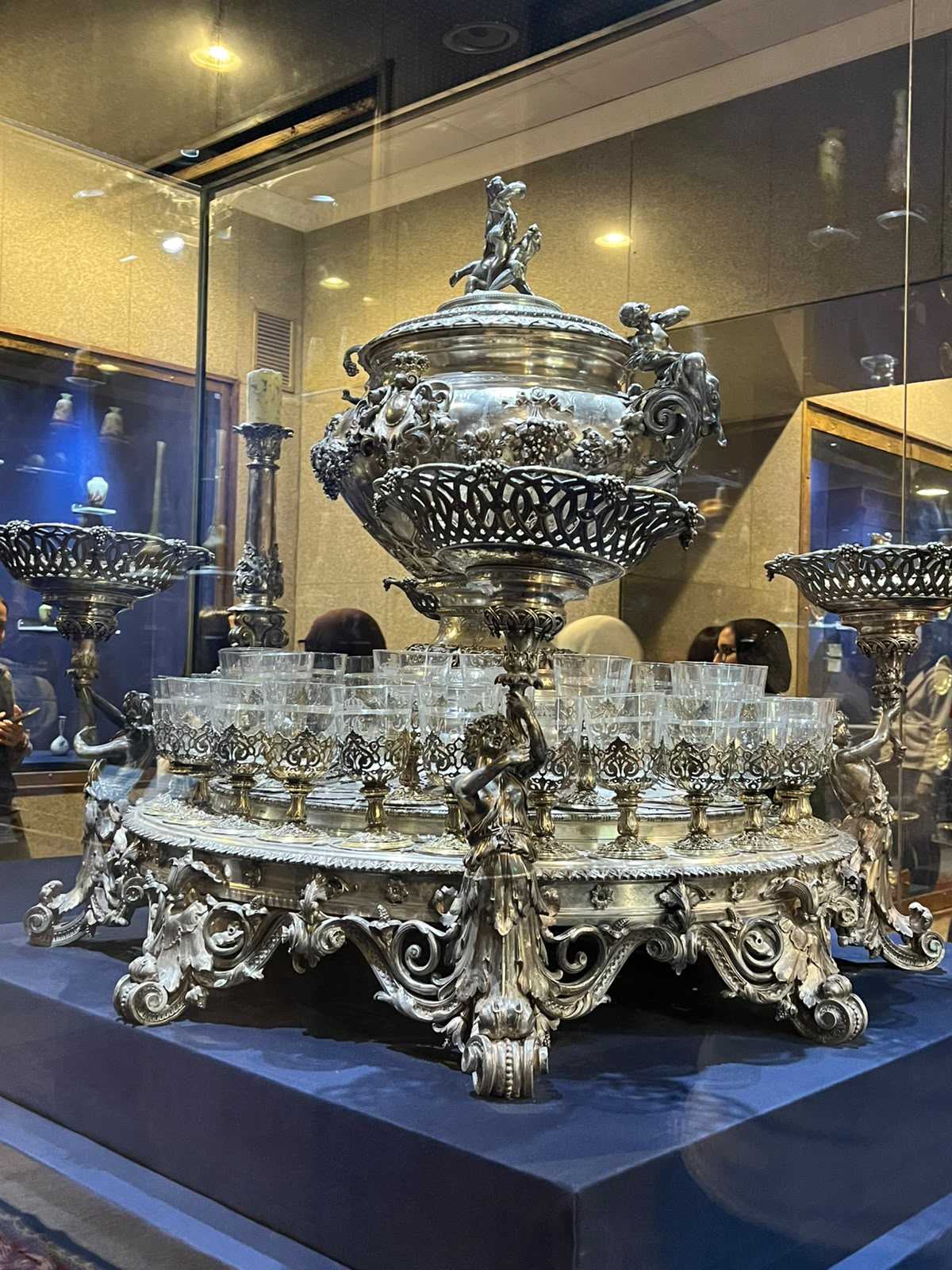
Inside, the ground floor is divided into separate collections: an Arms Museum, a Silver Museum, a Royal Family Museum, a Presidential Gifts Museum, and a Historical Documents Museum. Together they cover roughly 150 years of Egyptian history, from the Ottoman-era Muhammad Ali dynasty through the modern presidency. Most visitors move through all five in one visit, since they share a single entrance and connected halls.
These collections focus on Egypt's monarchy, independence, and transition to a republic—a different period than the pharaonic sites most first-time visitors see first.
A Brief History: From Khedive Ismail to Egypt's Presidency
Khedive Ismail, the Ottoman viceroy who ruled Egypt from 1863 to 1879, commissioned Abdeen Palace as part of his broader plan to remodel Cairo along European lines, inspired by the Paris he'd visited as a young man. Construction began in 1863 on the site of a house that once belonged to Abidin Bey, an Ottoman-era military commander, and the palace took its name from him. When it was finished, Ismail moved Egypt's royal seat here from the Cairo Citadel, ending nearly seven centuries of rulers governing from that hilltop fortress.
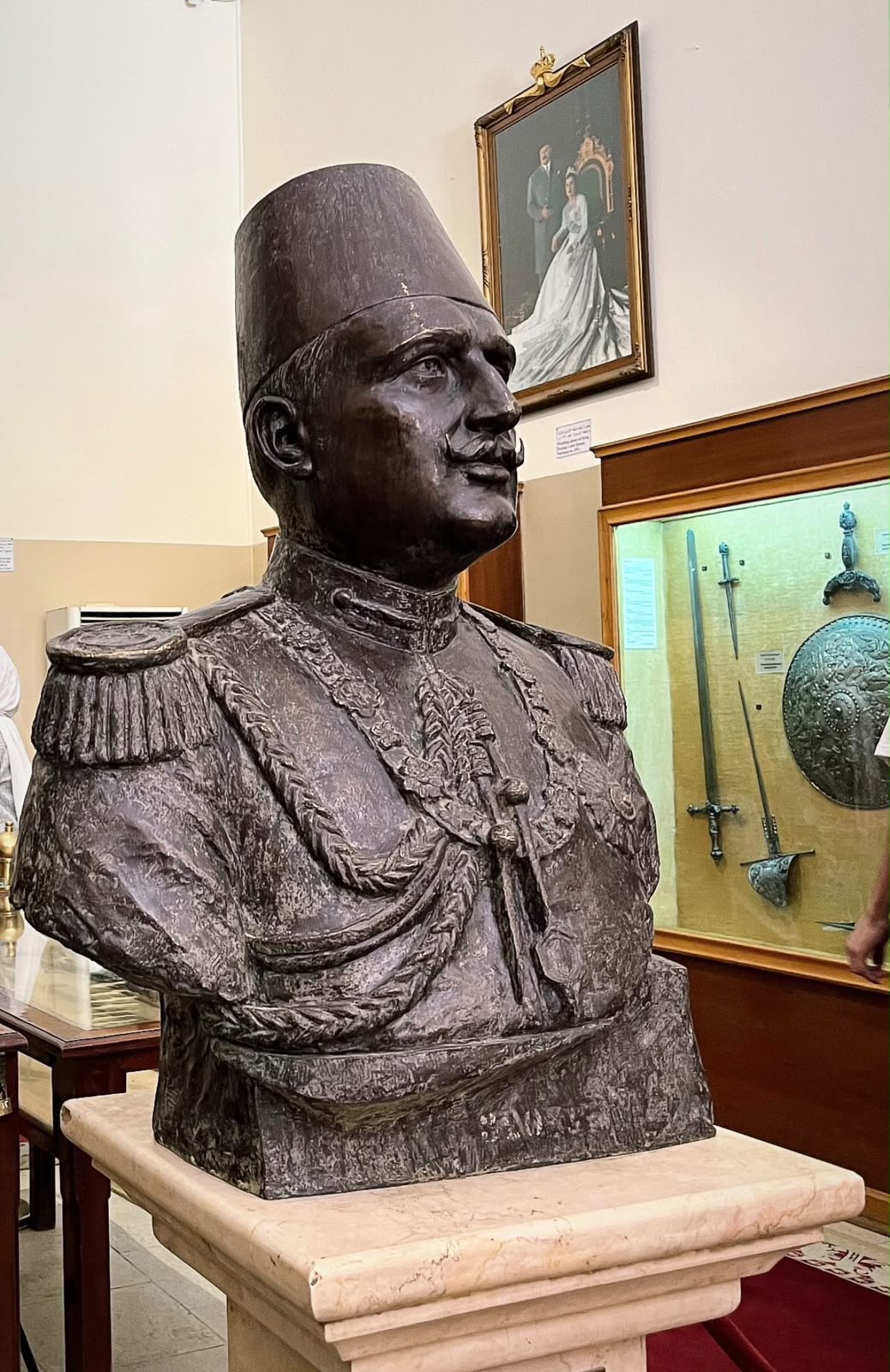
For the next several decades, Abdeen was the working center of Egyptian royal power. King Fuad I and his son, King Farouk, both lived and ruled from the palace, and it hosted state receptions, royal weddings, and the day-to-day business of the monarchy. That era ended with the 1952 revolution, when Egypt became a republic and the monarchy was abolished. Abdeen shifted from royal residence to presidential palace, a role it has held ever since; the museum sections opened to visitors are only part of a building that still functions as an active seat of government.
What You'll See Inside
Arms Museum (War Museum). The largest of the five collections spans weapons from the Muhammad Ali dynasty through King Farouk's reign—swords, rifles, ceremonial firearms, and pieces linked to Ottoman-era military campaigns. One notable item is a sword once belonging to the Ottoman Sultan Selim I.
Silver Museum. Added to the complex in 1998, this collection holds the royal family's silverware: cutlery, serving pieces, and decorative objects used at formal palace dinners.
Royal Family Museum. Personal effects, portraits, and belongings connected to King Fuad I and King Farouk. This section leans closer to biography than display case—it's where the palace's royal residence history feels most tangible.
Presidential Gifts Museum. Established in 2005 under President Mubarak, this room displays official gifts presented to Egypt's presidents by foreign leaders and dignitaries, along with items connected to the Mubarak family. It marks the clearest shift in the museum from monarchy-era artifacts to the palace's modern presidential role.
Historical Documents Museum. The newest addition to the complex, holding historical papers from different periods of Egyptian rule. It's smaller and less visited than the other four, but worth a look for anyone interested in the paper trail behind Egyptian history, not just the objects on display.
Not every part of the palace is open to visitors. The historic royal living quarters generally aren't accessible on a standard visit — regular admission covers the five museum collections above, not the residential floors.
Opening Hours and Visiting Practicalities
Abdeen Palace Museum is typically open daily except Friday, from around 9:00 AM to 3:00 PM, with last entry roughly an hour before closing. Hours can shift around national holidays, religious observances, and occasional state events at the palace, so it's worth confirming current hours close to your visit date rather than relying on posted times alone.
Security screening at the entrance is thorough — comparable to airport-style checks — and large bags, professional cameras, and recording equipment are generally restricted or require separate permission. Photography with phones or small cameras is typically allowed inside, though rules can vary by section. Modest dress is a good idea, given the palace's continued use as an official government building.
How Long You Need and the Best Time to Visit
Most visitors get through all five museum sections in about 1 to 2 hours, which makes Abdeen Palace an easy half-day addition alongside other Downtown Cairo sites rather than a destination that needs its own full day.
Mornings, shortly after opening, tend to work best. Crowds and security lines are lighter earlier in the day, and Cairo's heat and traffic both build up by afternoon—an especially practical consideration in the summer months. Since Abdeen is closed on Fridays, it's worth planning trips to Downtown Cairo around that gap rather than around the museum specifically.
Compared with Egypt's major ancient sites, Abdeen Palace Museum draws noticeably smaller crowds, which makes for a calmer, less rushed visit — though the trade-off is a more low-key setup overall, so it's worth confirming in advance whether English-language guiding is available on the day you plan to go.
How to Get There
Abdeen Palace Museum is located in El-Gomhoreya Square in Downtown Cairo, making it walkable from many central Cairo hotels and easy to reach from other Downtown attractions like Tahrir Square or the Egyptian Museum.
Taxis and ride-sharing apps are the most straightforward way to reach the palace from elsewhere in Cairo, since drivers know the area well and traffic patterns can make walking longer distances slow, especially in the afternoon. For visitors already exploring Downtown Cairo on foot, Abdeen is close enough to combine with a walking route through the district's older streets and squares.
Is Abdeen Palace Museum Worth Visiting?
For most travelers, yes — with the right expectations. Abdeen Palace Museum isn't a Pyramids-scale, must-see stop, and it won't compete with the Grand Egyptian Museum for scale or spectacle. What it offers instead is a focused, uncrowded look at a period of Egyptian history most first-time visitors skip entirely: the 19th- and 20th-century monarchy, the transition to a republic, and the palace's ongoing role as a seat of government.
It's a strong fit if you've already covered Cairo's ancient sites and want something different, if you're interested in military history or royal artifacts specifically, or if you're spending a day in downtown Cairo and want a manageable, 1–2 hour stop between other stops. It's a weaker fit if you have limited time in Cairo and have to choose between this and the Egyptian Museum or the Grand Egyptian Museum—those should generally come first.
If Downtown Cairo's royal and modern history interests you, Aten Tours' private Cairo tours can be built around Abdeen Palace alongside other Downtown sites, with a private guide who can put the palace's history and exhibits in context—useful here in particular, since on-site English signage is limited.