The Great Sand Sea, Egypt: Location, Safety, and How to Visit
What Is the Great Sand Sea, and Where Is It?
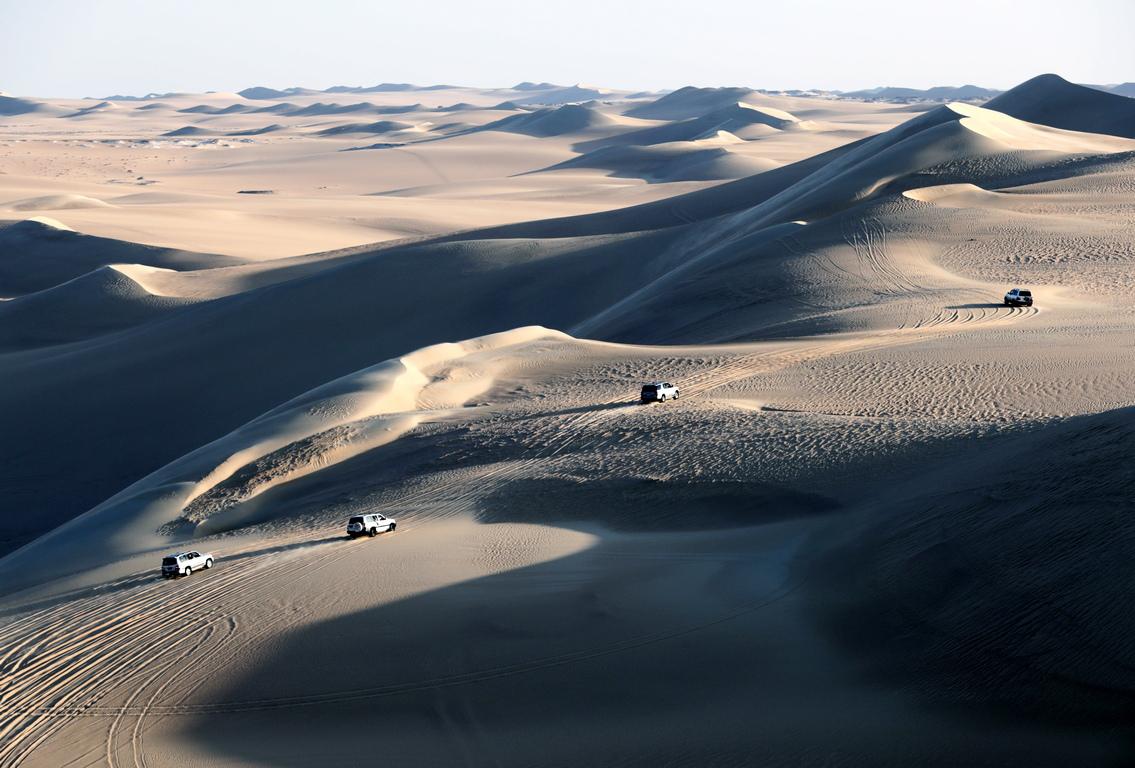
The Great Sand Sea is a vast desert area covering approximately 72,000 square kilometers, known as an "erg." It spans from Egypt's Western Desert into eastern Libya, running roughly 650 kilometers north to south. Its northeastern boundary sits close to Siwa Oasis, which is why most practical travel to the dunes starts from there. Moving south, the dunes form long ridges leading toward the distant Gilf Kebir plateau. In some places among these dunes, you can still find fossilized seashells remnants of an ancient sea that once covered this region millions of years ago.
The Real Great Sand Sea vs. the Siwa Day-Trip Experience
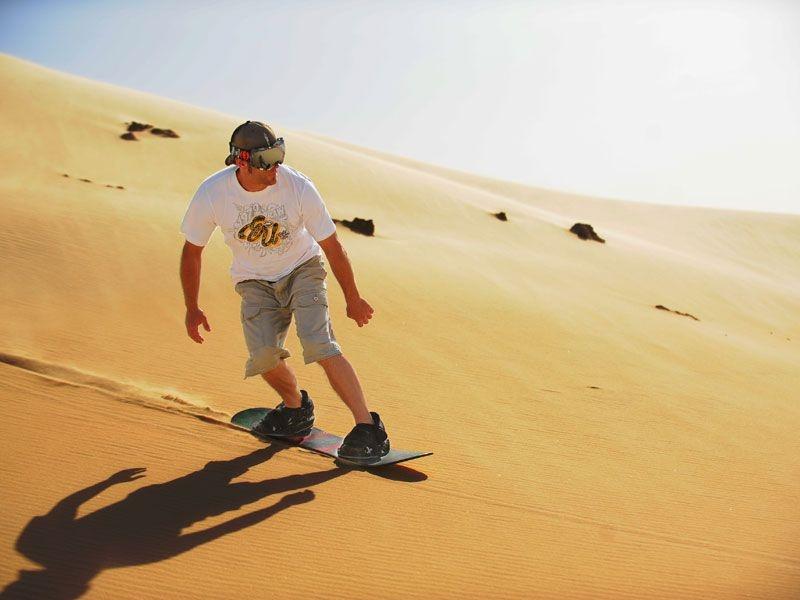
Many articles confuse two very different experiences. The actual Great Sand Sea stretches the full 72,000 square kilometers south toward the Gilf Kebir. This area is remote, has historically had landmine issues in its deeper parts, and is considered expedition territory, not a place for regular tourists. Most travelers actually visit a short 4x4 trip from Siwa Oasis to Bir Wahed, a spring and salt lake at the northern edge of the dunes sandboarding, swimming, and watching the sunset before returning to Siwa in the evening. Understanding which version of the Great Sand Sea a tour is offering helps avoid unmet expectations.
How to Visit: Routes From Cairo and Siwa Oasis
Siwa Oasis is the main starting point for most visits. From Cairo, the trip is about 750 kilometers 8 hours on paper, but often around 10 to 12 hours in practice via the coastal road through Marsa Matrouh. Expect to pass through several military checkpoints along the way, which is standard for the region. As of 2023, tourists no longer need a special permit to travel the Siwa road, though deeper desert routes are still coordinated through licensed operators. From Siwa, the trip to Bir Wahed takes only a few hours by 4x4, usually timed to catch the sunset. Driving independently into the dunes isn't advisable due to soft sand and the lack of marked routes a local guide is essential. covers transportation, a guide, and the excursion in one package.
What to Expect
The route drops from the palm groves of Siwa into open dunes within twenty minutes. At Bir Wahed, visitors can swim in a natural spring and salt lake, then sandboard the nearby dune slopes. Multi-day trips include overnight camping excellent stargazing with no light pollution, and simple meals cooked over a fire. The best time to visit is between October and April, when the weather is more comfortable, with manageable heat and cool nights suitable for camping. Summer temperatures often exceed 40°C with little shade.
Safety and Practical Considerations
The standard Bir Wahed excursion is routine and low-risk if led by an experienced guide. The checkpoints along the route are what ensure the area's security, not a sign of danger. The deeper parts of the Great Sand Sea near the Gilf Kebir are different: they carry documented risks from WWII-era landmines, and independent travel there is not advised and is usually restricted. This has led to much of the confusion around whether the area is dangerous, but it isn't relevant to a standard Siwa trip. For the regular excursion, the main risks are heat exhaustion, vehicles stuck in soft sand, and getting lost on foot all manageable with a good guide, extra water, and working communication.